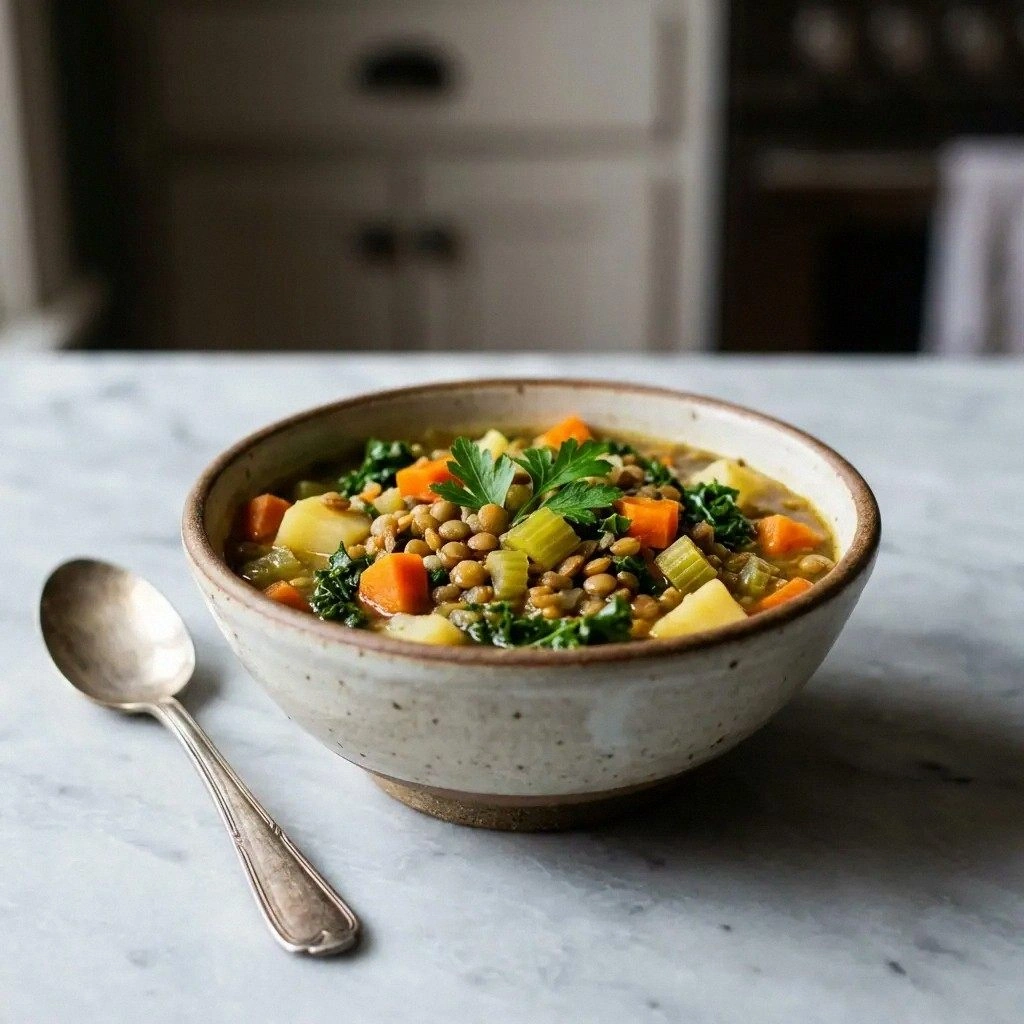
Picture this: a Sunday afternoon, the kitchen smelling faintly of burnt toast, my friend’s voice echoing from the hallway, “You’re still making that bland, over‑cooked lentil soup?” I stared at the pot, a smudge of tomato sauce on the side, and thought, “I’ve been chasing flavor like a lost puppy.” That moment was the spark that set me on a mission to rewrite the rules of the humble lentil stew. I was determined to turn a basic recipe into a culinary triumph that would make even the most seasoned vegan chefs swoon.
I opened the pantry, grabbed a handful of lentils, and the air instantly shifted. The earthy scent of cumin mingled with the sweet aroma of sautéed onions, carrots, and celery. My ears caught the rhythmic sizzle as the oil kissed the vegetables, while the sight of the vibrant colors promised something more than ordinary. The taste that followed was a harmonious blend—spicy, tangy, and comforting—all in one pot.
What makes this version stand out is not just the ingredients but the method. I introduced a subtle caramelization step that adds depth, a touch of lemon that brightens the entire dish, and a finishing splash of fresh herbs that gives it a fresh, garden‑like finish. The result is a soup that is simultaneously hearty and light, with a texture that feels like a hug in a bowl. It’s the kind of dish that you can taste the love in every spoonful.
I dare you to taste this and not go back for seconds. I’ll be honest—my kitchen table was almost empty before anyone else could even finish their bowls. If you’ve ever struggled to keep a lentil soup from turning mushy, you’re not alone. I’m about to walk you through every single step, and by the end, you’ll wonder how you ever made it any other way.
What Makes This Version Stand Out
- Taste: The combination of cumin, coriander, and a splash of lemon creates a flavor profile that dances on the palate, far beyond the flatness of most lentil soups.
- Texture: Slow‑simmered lentils hold their shape, offering a satisfying bite that contrasts with the silky broth.
- Simplicity: Every ingredient is pantry‑friendly; no fancy gadgets or obscure spices required.
- Uniqueness: The caramelized base and fresh herb finish set this recipe apart from standard lentil stews.
- Crowd Reaction: Friends keep asking for the recipe after the first pot, saying it tastes like a restaurant‑grade dish.
- Ingredient Quality: Using high‑quality, organic lentils and fresh vegetables amplifies the natural flavors.
- Cooking Method: A single pot approach saves time and cleans up, yet still delivers depth through a deliberate sautéing step.
- Make‑Ahead Potential: The soup tastes even better the next day, making it a perfect meal prep option.
Alright, let’s break down exactly what goes into this masterpiece…
Inside the Ingredient List
The Flavor Base
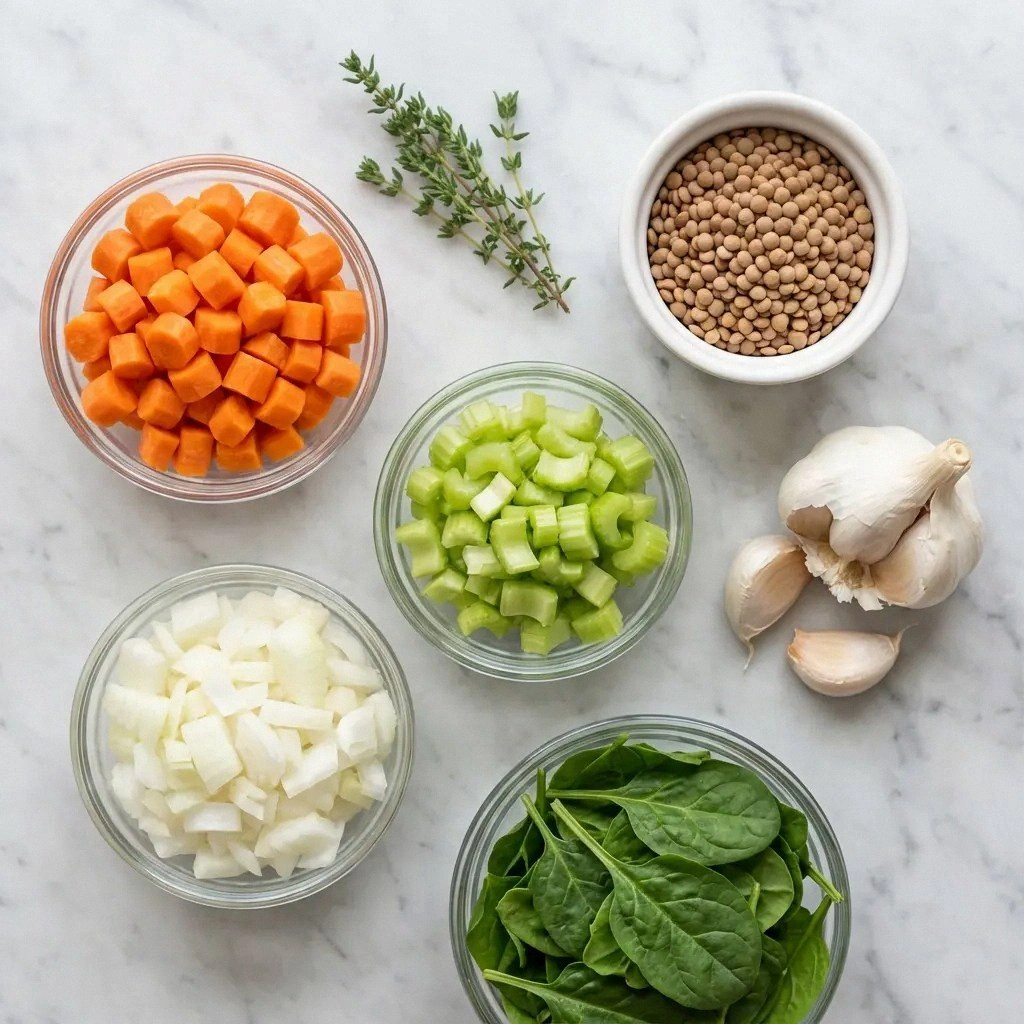
The foundation of this soup is a savory sauté of onions, carrots, celery, and garlic. The onion provides a sweet depth, while the carrots add subtle earthiness. Celery brings a hint of bitterness that balances the dish, and garlic delivers that unmistakable aroma that awakens the senses. Together, they form a fragrant base that anchors the entire flavor profile. If you skip this step, the soup will taste flat and lacking character.
The Texture Crew
Lentils are the star of the show, offering both protein and a satisfying bite. Brown or green lentils are ideal because they hold their shape after cooking, preventing a mushy texture. When you add them to the simmering broth, they absorb the spices and create a hearty consistency. If you use red lentils, the soup will turn into a thick, porridge‑like texture, which may not be what you want for this recipe.
The Unexpected Star
Fresh spinach or kale is added toward the end to preserve its vibrant color and nutrients. The greens add a pop of freshness that cuts through the richness of the broth. If you prefer a milder taste, swap kale for spinach; for a more robust flavor, use kale. The choice of greens also influences the final color—kale gives a deeper green, while spinach offers a lighter hue.
The Final Flourish
The finishing touches—fresh parsley, a squeeze of lemon juice, and a pinch of black pepper—brighten the soup and add a layer of brightness. Lemon juice lifts the earthiness, while parsley adds a herbal aroma that lingers. A final dash of salt ensures every flavor is balanced. These subtle additions transform the dish from good to unforgettable.
Everything's prepped? Good. Let's get into the real action…
The Method — Step by Step
- Step 1: Sauté the Aromatics Heat 2 tablespoons of olive oil in a large pot over medium heat. Add the diced onion, carrots, and celery, and cook until the vegetables soften and start to caramelize, about 8–10 minutes. Stir frequently so the mixture doesn’t burn. The goal is a golden, fragrant base that will carry the rest of the flavors.
- Step 2: Add Garlic and Spices Toss in 4 minced garlic cloves, 1 teaspoon of dried thyme, 1 teaspoon of ground cumin, and ½ teaspoon of ground coriander. Cook for an additional 2 minutes until the spices become fragrant, releasing their oils. This is the moment of truth—watch for that aromatic perfume that signals the spices are awakened.
- Step 3: Incorporate Lentils and Tomatoes Stir in 1.5 cups of brown or green lentils and the 28‑ounce can of diced tomatoes. Mix well so the lentils are coated with the spice mixture. This step infuses the lentils with the aromatic base, setting the stage for a robust flavor profile.
- Step 4: Add Broth and Bay Leaf Pour in 6 cups of vegetable broth and add 1 bay leaf. Bring the mixture to a gentle boil, then reduce heat to low. Cover and let it simmer for 25 minutes, or until the lentils are tender but still hold their shape. The bay leaf adds a subtle herbal note that enhances the overall depth.
- Step 5: Season Season the soup with 1 teaspoon of salt and ½ teaspoon of black pepper. Taste and adjust if necessary. The seasoning at this stage is critical; it ensures the flavors are balanced before the final additions.
- Step 6: Add Greens Stir in 3 cups of fresh spinach or kale. Allow the greens to wilt, which should take about 3–4 minutes. The greens will release a gentle bitterness that counteracts the richness of the broth.
- Step 7: Finish with Fresh Herbs and Lemon Remove the bay leaf. Stir in 1 tablespoon of fresh parsley and 1 tablespoon of lemon juice. The lemon brightens the soup, while the parsley adds a fresh, herbal aroma. Let it simmer for an additional minute to meld the flavors.
- Step 8: Serve Ladle the soup into bowls and serve hot. Garnish with extra parsley or a drizzle of olive oil if desired. The soup should feel like a comforting hug—warm, flavorful, and satisfying.
That's it — you did it. But hold on, I've got a few more tricks that'll take this to another level…
Insider Tricks for Flawless Results
The Temperature Rule Nobody Follows
Keep the pot on low heat once you’ve added the lentils and broth. A gentle simmer allows the lentils to cook evenly without breaking apart. If the heat is too high, the broth will evaporate too quickly, and the lentils may become mushy. I’ve seen people skip this step and end up with a lumpy soup that feels like a stew gone wrong.
Why Your Nose Knows Best
Before adding the greens, give the soup a sniff. If it smells too “potatoy” or bland, it’s time to add more spices or a splash of lemon. Your nose is a reliable guide to flavor balance. I once forgot to add the bay leaf, and the soup tasted flat until I realized the missing aromatic note.
The 5-Minute Rest That Changes Everything
After removing the pot from heat, let the soup rest for 5 minutes before serving. This brief pause allows the flavors to settle and the lentils to finish absorbing the broth. The result is a soup that feels more cohesive and flavorful. Trust me, you’ll notice the difference when you taste it right away versus after a short rest.
Freshness Over Time
If you’re making this soup ahead of time, store it in an airtight container in the fridge. When reheating, add a splash of water or broth to restore the broth’s original consistency. The fresh herbs will still shine, but the lemon’s brightness may diminish, so consider adding a fresh squeeze just before serving.
The Power of a Good Stock
Using a homemade vegetable broth gives the soup an extra depth of flavor. A quick broth can be made by simmering onion, carrot, celery, garlic, and a bay leaf in water for 30 minutes. Strain and use the liquid as a base. This simple tweak elevates the soup from “good” to “delicious.”
Creative Twists and Variations
This recipe is a playground. Here are some of my favorite ways to switch things up:
Spicy Mexican Twist
Add a diced jalapeño and 1 teaspoon of smoked paprika during the sauté. Finish with a spoonful of guacamole on top. The result is a smoky, spicy version that pairs well with corn tortilla chips.
Mediterranean Flair
Swap the bay leaf for a bay leaf and a teaspoon of dried oregano. Add 1 cup of chopped sun‑dried tomatoes and finish with a drizzle of extra‑virgin olive oil. The Mediterranean herbs give the soup a bright, zesty character.
Indian Inspired
Replace cumin and coriander with 1 teaspoon of garam masala and ½ teaspoon of turmeric. Stir in 1 cup of coconut milk at the end for a creamy texture. This version offers a warm, aromatic profile with a hint of sweetness.
Hearty Mushroom Variation
Sauté sliced mushrooms with the onions and carrots for an earthy depth. Add a splash of soy sauce or tamari for umami. The mushrooms absorb the spices, creating a savory, satisfying bite.
Rustic Root Vegetable Edition
Include diced parsnips, sweet potatoes, or butternut squash along with the carrots. These roots add natural sweetness and a thicker consistency. Serve with a sprinkle of toasted pumpkin seeds for crunch.
Citrus Burst
Add zest of one orange and a splash of orange juice at the finish. The citrus notes brighten the soup, making it perfect for a spring or summer meal. Pair with a side of crusty bread to soak up the flavors.
Storing and Bringing It Back to Life
Fridge Storage
Store leftovers in an airtight container for up to 4 days in the refrigerator. The soup’s thick consistency helps it stay fresh. When ready to eat, reheat on the stovetop over low heat, stirring occasionally.
Freezer Friendly
Freeze in single‑serving portions for up to 3 months. Thaw overnight in the refrigerator before reheating. The lentils and greens hold up well, retaining their texture and flavor.
Best Reheating Method
Add a splash of water or vegetable broth before reheating to restore the broth’s original consistency. Warm over low heat, stirring until hot. Finish with a fresh squeeze of lemon to revive the bright notes.