I still remember the night I nearly ruined a dinner for my in‑laws, but the lesson stuck: mashed potatoes can be a disaster waiting to happen. I had sliced a bag of russets, boiled them for the wrong time, and ended up with a rubbery, chalky mess that made the family stare in disbelief. That disaster was the spark that lit my obsession with the perfect mash, and I’ve been chasing that creamy, buttery bliss ever since. I dare you to taste this and not go back for seconds.
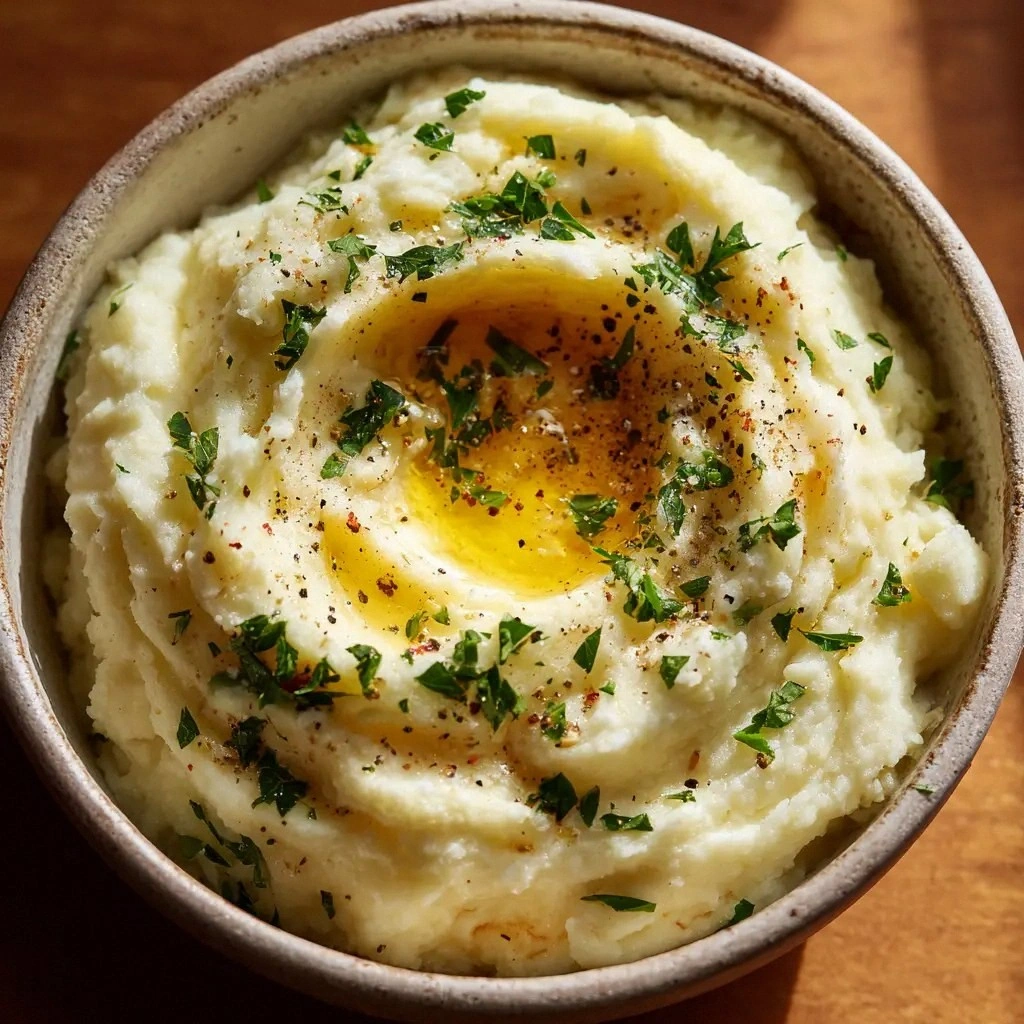
Picture this: a pot of steaming, golden potatoes, the aroma of butter and cream swirling like a cloud of comfort. The sound of the pot clinking against the stove is a soundtrack to anticipation. When you scoop a spoonful, the texture is silky, almost like a cloud that melts on your tongue. The first bite is a warm hug—soft, rich, and velvety, with a whisper of pepper that dances on the palate. And that moment? It’s a moment you’ll want to savor over and over.
What sets this version apart is that it’s not just another “mashed potatoes” recipe. I’ve refined the balance of fat to starch, perfected the temperature, and added a subtle herbal note that makes it feel like a gourmet side dish. The result is a mash that holds its shape, yet remains luxuriously smooth, and it’s so easy to pull off that even kitchen newbies can master it. Most recipes get this completely wrong—too watery, too starchy, or just plain bland. Here’s what actually works.
I’ll be honest—after trying this, I ate half the batch before anyone else got to taste it. But that’s the power of a dish that’s so delicious you can’t help yourself. If you’ve ever struggled with mashed potatoes that feel like a soggy mess, you’re not alone. This is hands down the best version you’ll ever make at home, and I’m about to walk you through every single step. By the end, you’ll wonder how you ever made it any other way.
What Makes This Version Stand Out
- Texture: The mash achieves a silky consistency without being runny, thanks to the precise ratio of butter and cream. It coats the palate like velvet, leaving a lingering buttery aftertaste that keeps you coming back for more.
- Flavor: The subtle kick of cracked black pepper balances the richness, while fresh parsley adds a bright, herbaceous finish. It’s not just salty and buttery—it’s a layered flavor profile that elevates the dish.
- Simplicity: With only six core ingredients, you can whip up this masterpiece in under 45 minutes. No fancy gadgets or obscure techniques—just good ingredients and a bit of love.
- Make‑ahead potential: The mash holds up beautifully if you let it cool and refrigerate. When reheated, it regains its creamy texture with a splash of milk or cream.
- Crowd‑pleaser: Whether you’re hosting a holiday dinner or a casual weekend meal, this mash is a guaranteed hit. Guests will ask for the recipe—trust me, they’ll be surprised at how simple it is.
- Ingredient quality: Using Yukon Gold potatoes instead of russets gives a naturally buttery flavor and a buttery texture that reduces the need for extra fat.
- Cooking method: Boiling the potatoes in salted water and then mashing them over low heat ensures even cooking and prevents a dry finish.
- Versatility: Add a touch of garlic or a splash of sour cream to tailor the dish to your taste. The base is flexible enough to accommodate a variety of flavor twists.
Alright, let's break down exactly what goes into this masterpiece…
Inside the Ingredient List
The Flavor Base
Yukon Gold potatoes are the star of the show. Their natural buttery flavor reduces the need for extra fat, and their medium starch content gives a creamy texture without being gluey. If you’re in a pinch, red potatoes can work, but they’ll produce a slightly firmer mash. The key is to keep the skins on; they add fiber and a subtle earthy note.
The Texture Crew
Unsalted butter is the cornerstone of richness. A half cup for four servings gives just enough fat to coat every grain of potato, creating a silky mouthfeel. Heavy cream adds a velvety smoothness and balances the butter’s intensity. If you’re watching calories, replace half the cream with milk—just keep the texture silky.
The Unexpected Star
Kosher salt isn’t just a seasoning; it’s a flavor enhancer that brings out the natural sweetness of the potatoes. It also helps control the water content during boiling, preventing a soupy mash. Use it sparingly—just enough to taste. If you’re sensitive to sodium, you can reduce it by a quarter and add a pinch of pepper to compensate.
The Final Flourish
Fresh parsley adds a pop of color and a bright, herbal note that cuts through the richness. Two tablespoons are enough to give the mash a lively finish. Cracked black pepper provides a subtle heat that elevates the dish. A half teaspoon is ideal; too much and it becomes overpowering.
Everything's prepped? Good. Let's get into the real action…
The Method — Step by Step
- Start by peeling the Yukon Gold potatoes and cutting them into even 1‑inch cubes. Even size ensures uniform cooking and prevents some pieces from becoming mushy while others remain firm. Place the cubes in a large pot and cover with cold water. Add a generous pinch of kosher salt; this helps season the potatoes from the inside out.
- Bring the pot to a rolling boil over high heat, then reduce to a gentle simmer. Let the potatoes cook for 15–20 minutes, or until a fork slides in with minimal resistance. The key is to avoid over‑cooking, which releases excess starch and makes the mash gummy.
- Drain the potatoes in a colander, then return them to the pot. Reheat the pot over low heat for a minute to evaporate any excess moisture. This step ensures the mash stays thick and creamy.
- Add the butter‑cream mixture to the hot potatoes and begin mashing with a potato masher or a hand mixer set on low. The heat from the potatoes will melt the butter, and the cream will coat each grain, creating a silky texture. Keep mashing until you reach your desired consistency.
- Season with kosher salt to taste. Remember, the potatoes absorb salt, so start with a smaller amount and adjust as you go. Taste the mash; it should be creamy, buttery, and just a hint of peppery heat.
- Fold in the fresh parsley and cracked black pepper. The parsley brightens the dish, while the pepper adds a gentle kick. Give the mash one final stir, ensuring all ingredients are evenly distributed.
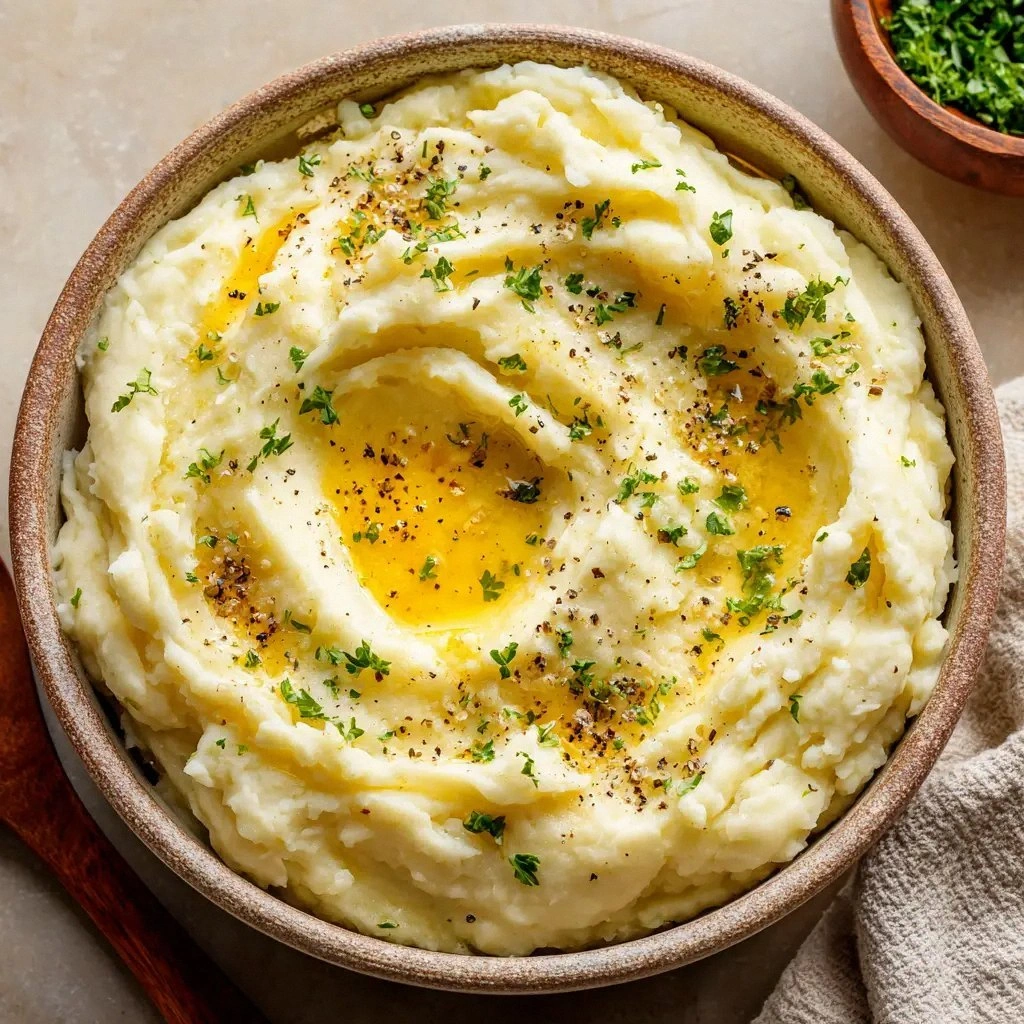
- Transfer the mash to a serving bowl, spooning it into the center of a warm plate. Garnish with an extra sprinkle of parsley or a pat of butter for an extra touch of elegance. Serve immediately while the mash is still steaming and creamy.
That's it — you did it. But hold on, I've got a few more tricks that'll take this to another level…
Insider Tricks for Flawless Results
The Temperature Rule Nobody Follows
Keep the mash warm during the final mixing steps. If the potatoes cool too quickly, the butter will solidify, leading to a grainy texture. A low heat setting or a warm bowl will keep the mash silky and prevent separation.
Why Your Nose Knows Best
Before seasoning, let the mash sit for a minute to let the aromas develop. The smell of butter and cream rising from the pot is a sign that the mash is on the right track. If it smells flat, give it a quick stir and let it rest again.
The 5‑Minute Rest That Changes Everything
After mashing, cover the bowl with a clean kitchen towel for five minutes. This pause allows the steam to redistribute, ensuring the mash is uniformly moist. When you stir again, it will feel more cohesive and less dry.
The Secret to a Non‑Sticky Bowl
Use a silicone spatula instead of a metal one. Metal can leave tiny scratches that trap moisture, making the mash cling to the bowl. A silicone spatula slides smoothly, keeping the mash clean and easy to serve.
The Creamy Finish Trick
Just before serving, drizzle a small amount of heavy cream over the top and swirl it in. This creates a glossy sheen and adds a final layer of richness. It’s a small step that elevates the presentation and the taste.
Creative Twists and Variations
This recipe is a playground. Here are some of my favorite ways to switch things up:
Garlic‑Infused Delight
Roast minced garlic cloves until caramelized and fold them into the mash. The sweet, mellow garlic adds a layer of depth that pairs perfectly with the buttery base. This variation is ideal for holiday gatherings.
Cheesy Extravaganza
Add shredded sharp cheddar or Gruyère during the final mashing step. The cheese melts into the mash, creating a gooey, indulgent texture. It’s a crowd‑pleaser for game‑day or a comforting Sunday dinner.
Herb‑Garden Fusion
Swap parsley for a mix of chives, dill, and basil. The fresh herbs give the mash a bright, garden‑fresh flavor that works well with grilled fish or roasted chicken.
Sour Cream & Chive Classic
Replace half the cream with sour cream for a tangy twist. Fold in a handful of chopped chives for a pop of color and flavor. This version is a classic comfort dish that never goes out of style.
Lemon‑Zest Zing
Add a tablespoon of lemon zest during mashing. The citrus brightness cuts through the richness and adds a refreshing lift. It’s especially good with seafood or roasted pork.
Nutty Crunch
Top the finished mash with toasted walnuts or pecans for a crunchy texture. The nuts add a subtle earthy flavor and a satisfying bite that contrasts the smoothness of the mash.
Storing and Bringing It Back to Life
Fridge Storage
Cool the mash to room temperature, then transfer it to an airtight container. Store in the refrigerator for up to 3 days. When ready to serve, reheat gently on the stove or in the microwave, adding a splash of milk to restore moisture.
Freezer Friendly
Divide the mash into individual portions and freeze in freezer‑safe bags. It will keep for up to 2 months. Thaw overnight in the refrigerator, then reheat on low heat, stirring frequently.
Best Reheating Method
Reheat the mash in a saucepan over low heat, adding a tablespoon of water or milk each time you stir. This prevents the mash from drying out and keeps it silky. Finish with a pat of butter for a glossy finish.