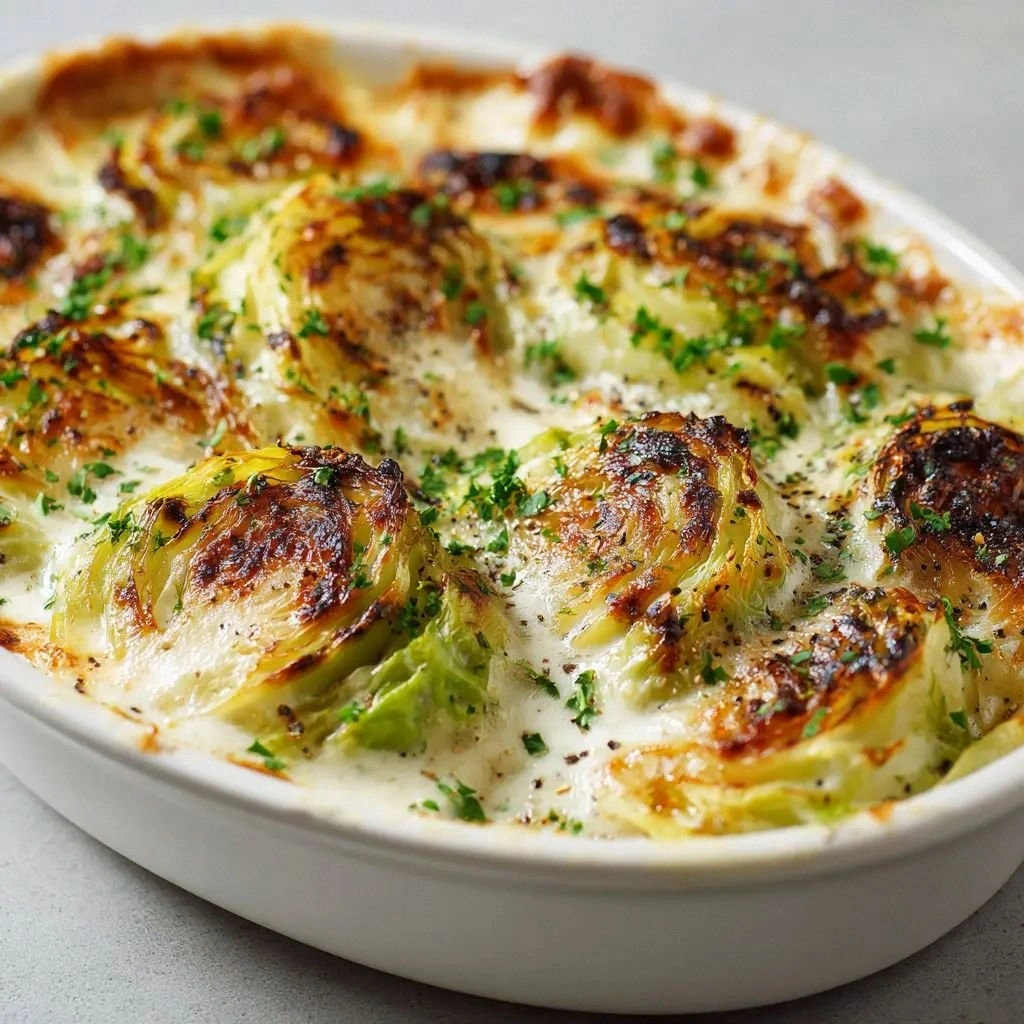
I still remember the night I burned my own dinner and it was the most disastrous thing that ever happened in my kitchen. A pot of sautéed cabbage had turned into a charcoal slab, the butter had blistered, and the sauce had thickened into a clumpy mess that looked like a bad attempt at a custard. I stared at the charred remnants and thought, “If this is the worst I can do, what else is possible?” That night, a friend dared me to make the ultimate cheesy cabbage gratin, promising a taste that would make my taste buds sing. I laughed, grabbed the ingredients, and set to work, determined to turn that kitchen nightmare into a triumph.
From the moment the cabbage hit the pan, the kitchen filled with a warm, buttery aroma that made my nose do a little happy dance. The sizzling sound of garlic in butter was a familiar, comforting rhythm, like a slow jam that signals the start of something delicious. As the cabbage softened, its bright green hue transformed into a golden, slightly caramelized surface that beckoned me to taste. The air carried hints of nutmeg and fresh parsley, promising depth and freshness, while the heavy cream’s silky scent added a luxurious undertone. I could already taste the creamy, melty cheese coating the cabbage, the contrast of crunchy edges, and the subtle peppery bite that would finish the flavor profile.
What makes this version stand out is that it’s not just a casserole; it’s a carefully balanced orchestra of textures and flavors. The cabbage is the star, but the sauce is the conductor, ensuring every bite is velvety, yet with a satisfying bite from the caramelized edges. The combination of Gruyère and mozzarella creates a cheese blend that’s both nutty and gooey, a marriage that most recipes miss. The use of a roux base with whole milk and heavy cream gives the sauce a rich body, while the nutmeg adds a whisper of warmth that lingers. The dish is simple enough to make on a weekday but sophisticated enough to wow guests at a dinner party. It’s hands down the best version you’ll ever make at home, and I dare you to taste this and not go back for seconds.
If you’ve ever struggled with cabbage gratin, you’re not alone. I’ve been there—overcooking the cabbage, underseasoning the sauce, and ending up with a bland, soggy mess. This recipe solves those problems with clear techniques and a few insider tricks that elevate the dish to a showstopper. Picture yourself pulling this out of the oven, the whole kitchen smelling incredible, the golden crust shimmering like a promise of comfort. Stay with me here—this is worth it. Let me walk you through every single step—by the end, you’ll wonder how you ever made it any other way.
What Makes This Version Stand Out
- Flavor Depth: The sauce marries the sharpness of Gruyère with the mildness of mozzarella, creating a complex yet harmonious taste that lingers on the palate.
- Texture Contrast: The caramelized cabbage edges provide a satisfying crunch that contrasts beautifully with the creamy, molten cheese center.
- Ease of Prep: With a single pan for sautéing and a quick roux, you spend less time juggling pots and more time enjoying the process.
- Ingredient Quality: Using whole milk and heavy cream gives the sauce a silky body, while fresh garlic and parsley keep the dish bright and authentic.
- Make‑Ahead Friendly: Assemble the gratin, bake, then refrigerate—reheat with a splash of milk and it’s as good as freshly baked.
- Crowd Reaction: Friends and family consistently ask for seconds, and even the most skeptical critics can’t resist the gooey, savory layers.
- Versatility: Swap the cheeses or add a splash of wine, and you can transform this dish into a different flavor profile for any occasion.
Inside the Ingredient List
The Flavor Base
The unsalted butter and all-purpose flour create a classic roux that thickens the sauce and adds a subtle nutty flavor. The butter’s richness pairs with the flour’s mildness, forming a smooth foundation that carries the milk and cream. Skipping the roux will leave the sauce thin and watery, which can dilute the cheese’s impact. If you’re gluten‑free, replace the flour with a gluten‑free blend or a tablespoon of cornstarch dissolved in cold water.
The Texture Crew
Cabbage is the star of this dish, and its texture is everything. Cutting it into thin ribbons ensures it cooks evenly and absorbs the sauce. A small amount of olive oil before sautéing keeps the leaves from sticking and adds a subtle fruity note. If you prefer a softer texture, blanch the cabbage in salted water for 2 minutes before adding it to the pan.
The Unexpected Star
Ground nutmeg might seem like a hidden gem, but it brings a warm, aromatic undertone that balances the sharpness of the cheese. A pinch of nutmeg also prevents the sauce from tasting too heavy, giving it a light, fragrant finish. If you’re wary of nutmeg’s potency, start with 0.125 tsp and adjust to taste.
The Final Flourish
Fresh parsley not only adds a splash of color but also brightens the dish with a fresh, herbaceous finish. The garlic cloves provide a savory backbone that complements the mildness of the cabbage. Together, these ingredients tie the dish together, ensuring every bite is layered with flavor. Don’t skip the parsley—its freshness is the final touch that elevates the gratin from good to unforgettable.
Everything's prepped? Good. Let's get into the real action...
The Method — Step by Step
- Heat a large, oven‑proof skillet over medium heat and add the tablespoon of olive oil. Once the oil shimmers, add the sliced cabbage and sauté for about 5 minutes, or until it starts to soften and lightly caramelize. Stir occasionally so the leaves don’t stick. This step builds the base flavor and gives the cabbage a pleasant, slightly sweet bite. Keep an eye on the heat; you want a gentle sizzle, not a burn.
- Push the cabbage to the side of the pan, melt the three tablespoons of butter in the cleared space, and sprinkle the flour over it. Stir constantly for 1–2 minutes until the mixture turns a light golden color and smells nutty. This is your roux—watch it carefully, because a burnt roux will ruin the sauce’s smoothness. When the roux is ready, pour in the whole milk and heavy cream, whisking to combine everything into a silky sauce.
- Add the minced garlic, ground nutmeg, kosher salt, and coarse black pepper to the sauce. Let it simmer gently for 4–5 minutes, or until it thickens enough to coat the back of a spoon. The garlic will infuse the sauce with a warm, savory aroma, while the nutmeg adds a subtle warmth that balances the richness. Taste the sauce—if it’s too thick, add a splash of milk; if it’s too thin, let it reduce a bit longer.
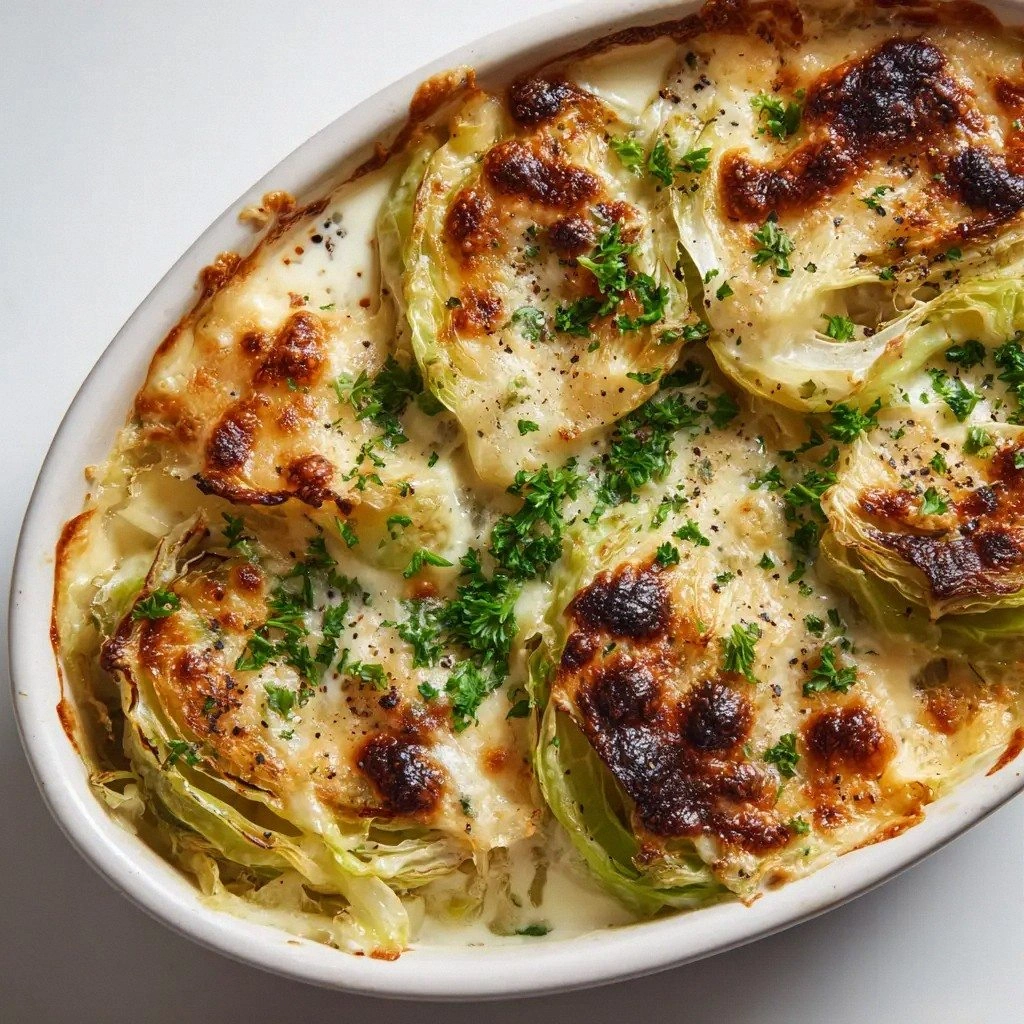
- Fold the sautéed cabbage into the sauce, ensuring every ribbon is coated. Spread the mixture evenly in the skillet, creating a smooth layer. Sprinkle the grated Gruyère and mozzarella cheese over the top, pressing them lightly into the sauce so they melt uniformly. The cheeses will form a golden crust that’s both crisp and gooey, a hallmark of a perfect gratin.
- Transfer the skillet to a preheated oven at 375°F (190°C). Bake for 20–25 minutes, or until the cheese is bubbling and the top is a deep, golden brown. The baking process caramelizes the edges, giving that delightful crunch. Watch the color change; once it’s a rich amber, you’re ready to pull it out.
- Remove the skillet from the oven and let the gratin rest for 5 minutes. This allows the sauce to set slightly, making it easier to slice and ensuring the flavors meld together. While it rests, sprinkle fresh parsley over the top for a burst of color and freshness.
- Serve hot straight from the skillet. Use a wide, flat spatula to cut generous portions, ensuring each piece contains a mix of cabbage, cheese, and sauce. The first bite will be creamy, the second will have a slight crunch from the caramelized edges, and the final bite will be a satisfying finish of cheesy, savory goodness.
- If you have leftovers, store them in an airtight container in the fridge for up to 3 days. When reheating, add a splash of milk to the top and bake again at 350°F (175°C) for 10–12 minutes until hot and bubbly. The reheated gratin will taste almost as fresh as when it first came out of the oven.
- Enjoy the glorious combination of textures and flavors that make this dish a standout. Remember, the secret is in the balance—rich sauce, caramelized cabbage, and a cheese blend that melts perfectly. That sizzle when it hits the pan? Absolute perfection.
Insider Tricks for Flawless Results
The Temperature Rule Nobody Follows
Many cooks assume a higher oven temperature will give a crispier crust, but it actually burns the cheese before the sauce sets. Baking at 375°F (190°C) strikes the perfect balance between a golden top and a creamy interior. If you’re using a convection oven, reduce the temperature by 25°F to avoid over‑browning. This simple tweak ensures a consistent, melt‑in‑your‑mouth experience every time.
Why Your Nose Knows Best
Trust the aroma as your ultimate guide. When the sauce thickens, it will emit a comforting, buttery scent that signals it’s ready. If the smell is still raw or metallic, give it a few more minutes. A well‑aromaed sauce guarantees a richer, more complex flavor profile.
The 5-Minute Rest That Changes Everything
Letting the gratin rest after baking is not just a courtesy; it’s a game‑changer. The rest period allows the sauce to set, making it easier to cut clean slices. It also lets the flavors meld, so the next bite tastes more harmonious. A friend once rushed the dish, cutting immediately, and the result was a soggy mess—lesson learned.
Use Fresh Herbs Over Dried
Fresh parsley brings a bright, slightly peppery note that dried parsley can’t match. It also adds a pop of color that makes the dish look as good as it tastes. If fresh parsley isn’t available, use a pinch of dried parsley, but add it at the very end to preserve its flavor.
Add a Splash of Wine for Depth
A tablespoon of dry white wine added to the sauce just before baking infuses a subtle acidity that cuts through the richness. It also enhances the caramelization of the cabbage edges. Don’t overdo it; a small splash is all you need to elevate the dish.
Creative Twists and Variations
This recipe is a playground. Here are some of my favorite ways to switch things up:
Smoky Chipotle Twist
Add a teaspoon of chipotle in adobo sauce to the sauce for a smoky heat that pairs beautifully with the mild cabbage. The chipotle’s subtle smokiness adds depth without overpowering the cheese.
Herb‑Infused Delight
Replace the parsley with a mix of fresh thyme and rosemary. The earthy herbs bring a Mediterranean flair, turning the gratin into a comforting, aromatic dish.
Vegan Version
Use plant‑based butter, oat milk, and a vegan cheese blend. The texture remains creamy, and the flavor profile stays intact—just a few substitutions and you have a cruelty‑free masterpiece.
Cheddar & Pepper Jack Fusion
Swap Gruyère for sharp cheddar and mozzarella for pepper jack. The result is a zesty, melty gratin that’s perfect for a casual dinner or a game‑night snack.
Crispy Bacon Crunch
Cook diced bacon until crisp, then sprinkle it over the top before baking. The bacon adds savory crunch and a smoky flavor that complements the cabbage’s sweetness.
Winter Spiced Variation
Incorporate a pinch of ground cinnamon and a splash of apple cider into the sauce. The warm spices pair wonderfully with the cabbage, making it a perfect holiday side dish.
Storing and Bringing It Back to Life
Fridge Storage
Cool the gratin completely before covering it tightly with plastic wrap or foil. Store it in the refrigerator for up to 3 days. When ready to eat, reheat in a preheated oven at 350°F (175°C) for 10–12 minutes until hot and bubbly.
Freezer Friendly
Wrap the cooled gratin in parchment paper, then foil, and place it in a freezer‑safe container. It will keep well for up to 2 months. Thaw overnight in the fridge, then reheat as described above.
Best Reheating Method
Add a splash of water or milk before reheating to prevent the cheese from drying out. Cover with foil to keep moisture trapped, and bake until heated through. The result is a creamy, gooey gratin that tastes almost freshly baked.