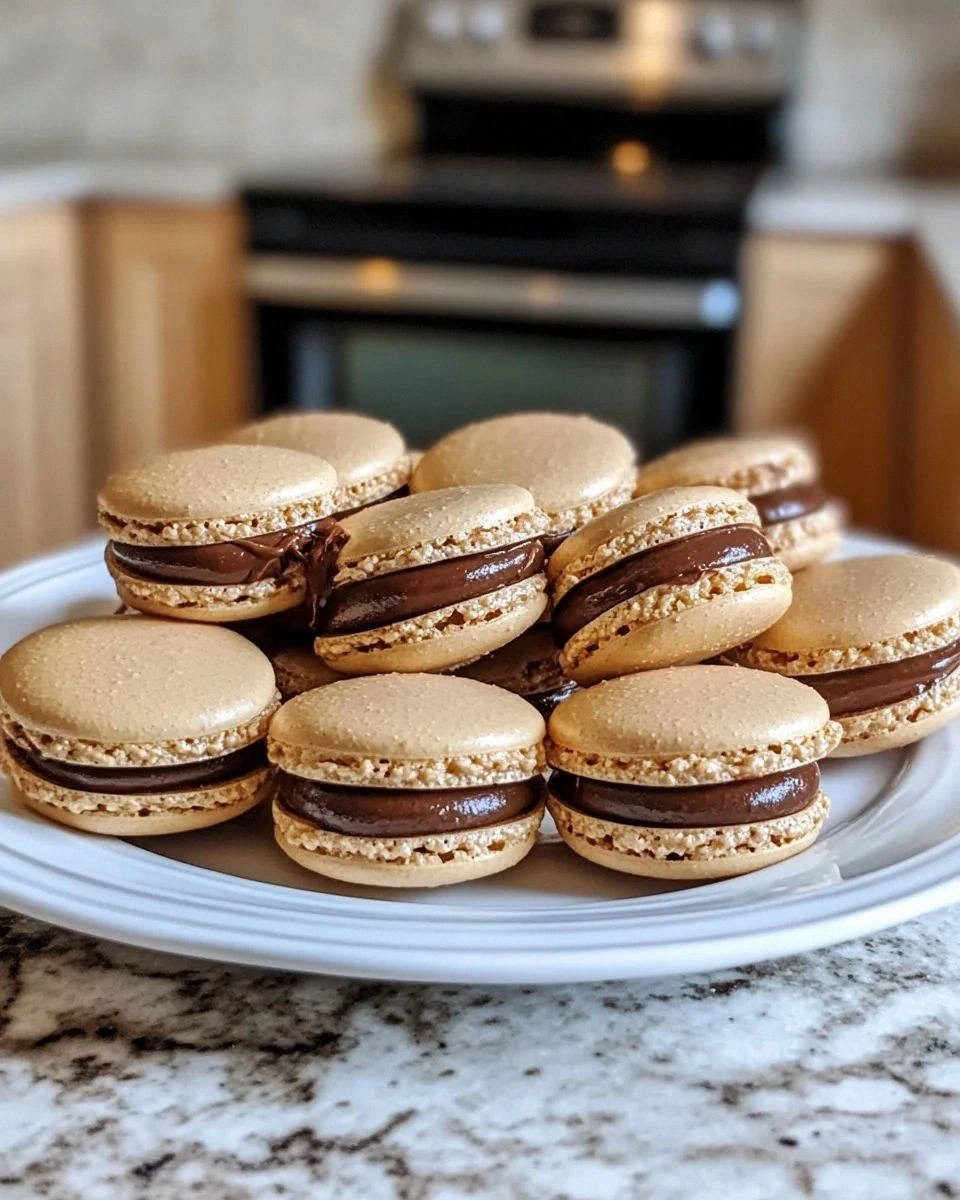
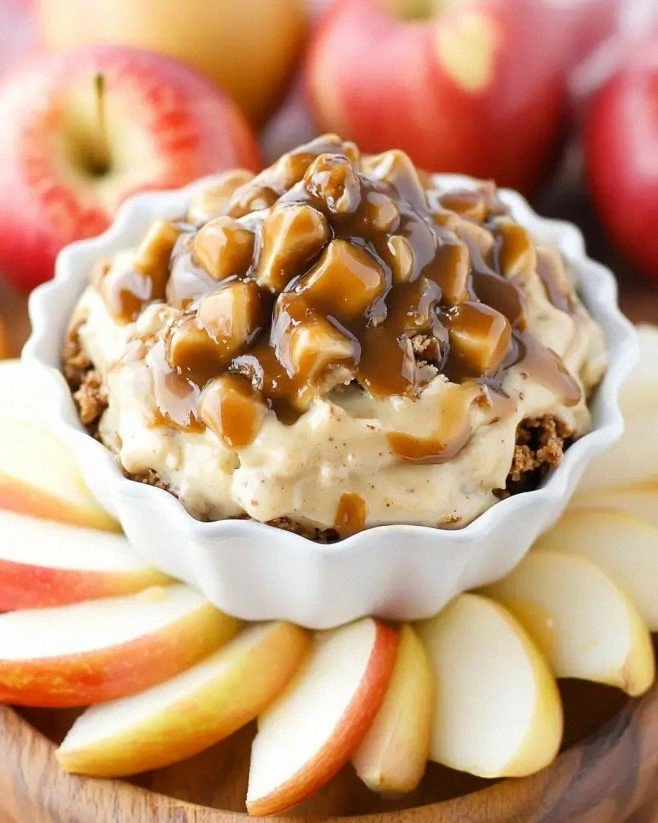
Picture this: you’re halfway through a week of chaotic deadlines, the fridge is a barren wasteland, and your taste buds are screaming for something that feels like a hug in a bowl. I was there, staring at a handful of kale, carrots, and a lonely sweet potato that had been sitting in the back of the pantry for weeks. I grabbed the quinoa, the spice rack, and my trusty skillet, and I decided to throw everything together. The result? A steaming, aromatic bowl that made my apartment smell like a winter cabin and my stomach feel like it had finally found its home. I dare you to taste this and not go back for seconds.
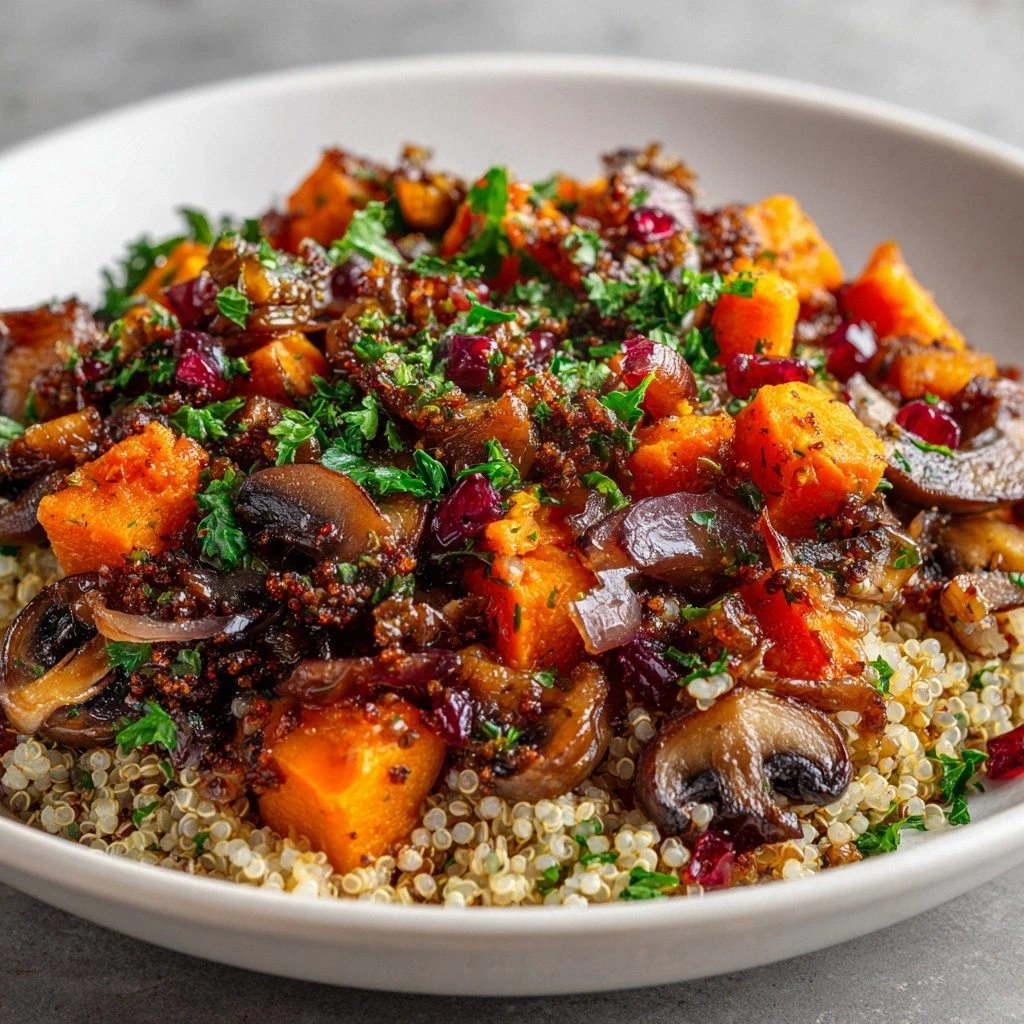
When the first bite hit, the quinoa’s nutty base was immediately punctuated by the caramelized onion’s sweetness, the sharp bite of garlic, and the gentle warmth of cumin and coriander. The cinnamon sneaked in like a secret, adding a subtle hint of spice that made the dish feel like a holiday treat without the sugar overload. The kale, though slightly bitter, was softened by the sweet potatoes, creating a harmony of textures that made each spoonful a new adventure. My senses were overwhelmed: the sizzling pan, the aromatic steam, the earthy crunch, and the comforting warmth that spread through my chest. I could almost hear the crackling of a fireplace in the background.
What makes this version stand out is that it’s not just a bowl; it’s an experience. The quinoa acts as a protein-packed canvas that absorbs every flavor, while the vegetables provide a rainbow of colors and nutrients that make the dish feel complete. The spices are balanced so that none dominates, and the cinnamon is the twist that gives it a memorable finish. I’ll be honest—I ate half the batch before anyone else got to try it, and my friends were left asking for the recipe in a single text message. Most recipes get this completely wrong by overcooking the veggies or underseasoning the base; here, everything is precise.
Imagine pulling this out of the oven, the whole kitchen smelling incredible, and your guests’ eyes widening in delight. The moment the bowl is plated, the steam rises like a warm cloud, and the first spoonful is a burst of flavor that feels like a cozy hug. If you've ever struggled with making a bowl that feels both hearty and balanced, you're not alone—and I've got the fix. This is hands down the best version you'll ever make at home.
Let me walk you through every single step — by the end, you'll wonder how you ever made it any other way.
What Makes This Version Stand Out
- Flavor: The combination of cumin, coriander, and cinnamon creates a warm, earthy profile that elevates the quinoa and vegetables to something truly comforting. Each spice is measured to ensure a harmonious balance, so the dish feels cohesive rather than chaotic.
- Texture: The sweet potatoes are roasted until caramelized, giving them a tender interior and a crisp exterior. The kale is wilted just enough to retain a slight bite, while the carrots add a satisfying snap.
- Simplicity: With just a handful of pantry staples and fresh produce, you can whip up a gourmet bowl in under an hour. No elaborate sauces or secret ingredients required.
- Uniqueness: The unexpected addition of cinnamon sets this bowl apart from typical winter dishes, giving it a subtle sweetness that pairs beautifully with the savory elements.
- Crowd Reaction: Friends who have tried the recipe rave about how it feels like a meal they could have made in a fancy restaurant, but with none of the fuss.
- Ingredient Quality: Using high‑quality quinoa and organic vegetables makes a noticeable difference in flavor and nutrition, turning a simple bowl into a nourishing experience.
- Cooking Method: A single pan for sautéing, roasting, and simmering keeps cleanup minimal while allowing the flavors to meld perfectly.
- Make‑Ahead Potential: The bowl can be prepared ahead of time and reheated without losing texture or taste, making it ideal for busy weekdays.
Alright, let's break down exactly what goes into this masterpiece...
Inside the Ingredient List
The Flavor Base
Quinoa is the star of the show, providing a protein-packed, gluten‑free foundation that soaks up every aroma. The vegetable broth infuses the grains with savory depth, replacing plain water for a richer taste. Olive oil is not just a cooking medium; it coats the aromatics, ensuring the onions, garlic, and spices release their full flavors into the pan.
If you skip the broth and use plain water, the quinoa will taste flat and the spices won’t have a liquid to mingle with. A quick swap is using chicken broth for a non‑vegetarian version, but be mindful that it will alter the overall flavor profile and sodium content.
The Texture Crew
Carrots and sweet potatoes bring a natural sweetness and a satisfying chew. The carrots stay slightly firm, offering a bright contrast to the soft quinoa, while the sweet potatoes, when roasted, develop a caramelized exterior that adds a subtle crunch.
Kale is the green powerhouse that adds fiber and a slight bitterness that balances the dish’s sweetness. When you sauté it, the leaves wilt but retain a vibrant color, providing visual appeal and a nutrient boost.
If you omit the kale, the bowl will still be delicious but lose that green crunch and the nutritional punch. A quick swap is spinach or collard greens, though they’ll need less cooking time.
The Unexpected Star
Cinnamon might seem out of place in a savory bowl, but its warm, sweet undertones create a comforting, almost holiday‑like flavor. It pairs beautifully with cumin and coriander, adding depth without overpowering.
Skipping cinnamon will make the bowl taste more straightforward but less memorable. If you’re wary of cinnamon’s sweetness, use only 1/4 teaspoon, or try nutmeg for a different spice note.
The Final Flourish
Salt and pepper are the unsung heroes that bring all elements together. Salt enhances the natural sweetness of the vegetables, while pepper adds a subtle heat that lifts the dish.
If you skip seasoning, the bowl will feel flat and underdeveloped. Use sea salt or kosher salt for a cleaner finish, and finish with a dash of freshly cracked black pepper for a bright contrast.
Everything's prepped? Good. Let's get into the real action...
The Method — Step by Step
- Start by rinsing the quinoa under cold water until the water runs clear. This removes the natural saponin coating that can give the grains a bitter taste. Drain well and set aside.
- Heat a large skillet over medium heat and add the olive oil. Once the oil shimmers, toss in the diced onion and a pinch of salt. Sauté for 3–4 minutes until the onion becomes translucent and starts to caramelize, releasing a sweet aroma.
- Add the minced garlic, cumin, coriander, and cinnamon. Stir constantly for about 30 seconds, just until the spices become fragrant. The sizzling sound is your cue that the aromatics are ready.
- Introduce the diced carrots and sweet potatoes to the pan. Toss them with the onion and spices, ensuring each piece is coated. Cook for 5 minutes, stirring occasionally, until they start to soften.
- Pour in the vegetable broth, bring the mixture to a gentle boil, then reduce to a simmer. Add the quinoa, cover, and let it cook for 15 minutes. This allows the quinoa to absorb the broth and the flavors to mingle.
- While the quinoa cooks, chop the kale into bite‑sized pieces. Once the quinoa is nearly done, add the kale to the skillet. Stir until the leaves wilt but still retain their bright green color, which should take about 3 minutes.
- Season the bowl with salt and pepper to taste. Give everything a final stir, then remove from heat. Let it sit for a minute; this resting period allows the flavors to settle.
- Serve the bowl hot, optionally garnishing with a drizzle of olive oil or a sprinkle of fresh herbs like parsley or cilantro. The extra oil adds shine, while herbs add a fresh finish.
- If you prefer a slightly tangy kick, finish with a squeeze of fresh lemon or a spoonful of tahini. These additions provide a bright contrast to the warm spices.
That's it — you did it. But hold on, I've got a few more tricks that'll take this to another level...
Insider Tricks for Flawless Results
The Temperature Rule Nobody Follows
Many people cook quinoa on high heat, which can cause it to become mushy. I always set the skillet to medium and let the quinoa simmer gently. This slow cooking allows the grains to expand fully without breaking apart. A quick anecdote: a friend once tried high heat and ended up with a sticky mess that was impossible to serve. Stick to medium, and you’ll get fluffy, separate grains every time.
Why Your Nose Knows Best
Before adding the broth, give the pan a quick sniff. The aromatic steam should smell like a cozy campfire. If it feels flat, you’re missing a spice or the onions aren’t caramelized enough. Your nose is a reliable guide to flavor balance. Trust it, and adjust spices on the fly.
The 5‑Minute Rest That Changes Everything
After removing the skillet from heat, let the bowl sit covered for 5 minutes. This resting period allows the quinoa to finish steaming and the flavors to meld. A friend once skipped this step and ended up with a bowl that tasted like a raw salad. The rest period is a small investment that pays off big in taste.
Use the Right Pan
A heavy‑bottomed skillet ensures even heat distribution, preventing hot spots that burn the onions or caramelize the sweet potatoes unevenly. If you’re short on cookware, a non‑stick pan works, but be sure to use a lower heat setting. I’ve found that a cast iron skillet is the gold standard for this recipe.
Fresh vs. Frozen Veggies
Fresh carrots and sweet potatoes provide the best texture, but frozen options can be a convenient alternative. If you use frozen, thaw them first and pat them dry; excess moisture will steam the veggies instead of roasting them. I’ve tried both, and the fresh version always wins in flavor.
Adjusting for Allergy Concerns
If you’re gluten‑free, quinoa is already a great base. For those with nut allergies, skip the optional tahini garnish. I’ve experimented with almond milk in the broth for a richer flavor, but it’s optional.
Creative Twists and Variations
This recipe is a playground. Here are some of my favorite ways to switch things up:
Spicy Chili Bowl
Add a diced jalapeño or a splash of sriracha during step 3 for a fiery kick. The heat pairs beautifully with the cinnamon, creating a surprising contrast. This version is perfect for those who like a little burn with their comfort food.
Protein‑Packed Power Bowl
Stir in a handful of cooked black beans or a scoop of protein powder after the quinoa has finished cooking. The beans add texture and protein, while the powder keeps the bowl light. Great for athletes or anyone needing a post‑workout meal.
Vegan Sweet & Savory Bowl
Replace the olive oil with a neutral oil like canola or sunflower, and use a plant‑based broth. Finish with a drizzle of tahini and a sprinkle of nutritional yeast for a cheesy flavor. This version keeps all the heartiness without any animal products.
Breakfast Boost
Serve the bowl over a bed of scrambled eggs or a poached egg for a breakfast twist. The yolk adds richness, while the spices keep the dish warm and comforting. It’s an unexpected but delightful way to start the day.
Herb‑Infused Finale
Add fresh herbs like cilantro, parsley, or mint at the very end for a burst of freshness. The herbs contrast the warm spices and give the bowl a bright finish. This is a great way to keep the dish lively and fresh.
Storing and Bringing It Back to Life
Fridge Storage
Store the bowl in an airtight container in the refrigerator for up to 3 days. The quinoa and vegetables stay firm, and the spices remain potent. When you’re ready to eat, simply reheat on the stovetop with a splash of broth to loosen the grains.
Freezer Friendly
To freeze, let the bowl cool completely, then transfer to a freezer‑safe container or zip‑lock bag. It stays good for up to 2 months. When reheating, add a tablespoon of water or broth to prevent drying out, and heat slowly over low heat.
Best Reheating Method
The best way to reheat is on the stovetop in a skillet with a splash of broth or water. Heat gently over medium, stirring until warmed through. This method preserves the texture of the quinoa and the crispness of the vegetables. A quick microwave can be used, but it tends to make the vegetables soggy.