It all started on a humid Saturday afternoon when I was trying to whip up a quick dessert for a surprise brunch. I had just opened the pantry and, in a moment of culinary desperation, I tossed everything I could find into a mixing bowl. The result was a soggy, unremarkable batter that could have been labeled “southern disaster” if I had let it sit. The kitchen smelled like burnt sugar and regret, and I swear the neighbor’s dog started howling. That night, after a glass of iced tea, I decided I would not let this culinary flop haunt me again.
Picture this: the oven preheats to 350°F while the aroma of butter and lemon zest begins to mingle with the sweet promise of sugar. The sound of the whisk whirling through the batter is like a metronome keeping time with your heartbeat. The batter itself is a glossy, golden mixture that feels light as a feather against the back of your hand. Your eyes catch the way the batter swirls in the bowl, reflecting the kitchen light like a tiny, edible galaxy. The anticipation of the first bite is almost tangible, like a sweet secret waiting to be unveiled.
What makes this version of Southern Tea Cakes truly shine is the careful balance between tradition and innovation. I’ve refined the classic Southern recipe to create a cake that is airy, moist, and bursting with citrusy brightness, yet it still holds that unmistakable Southern comfort feel. The secret lies in a few simple but crucial tweaks: a splash of buttermilk for tenderness, a generous dash of lemon zest for zing, and a final brush of melted butter for a glossy, caramelized finish. I dare you to taste this and not go back for seconds. The result is a cake that feels like a warm hug from grandma, but with a modern, polished edge.
I’ll be honest — I ate half the batch before anyone else got a chance to try it. The first bite was a revelation: a delicate crumb that melted in your mouth, a subtle citrus lift, and a buttery finish that lingered like a sweet after‑taste. Most recipes get this completely wrong, but here, everything works in harmony. Picture yourself pulling this out of the oven, the whole kitchen smelling incredible, and the cake cooling on a rack with steam curling like a fragrant cloud. Let me walk you through every single step — by the end, you’ll wonder how you ever made it any other way.
I’ve spent countless evenings experimenting with different flours, leavening agents, and flavorings, and this particular blend turned out to be a game‑changer. The batter is light enough that it rises beautifully, yet dense enough to hold the flavor of lemon and pecans. The butter, softened to just the right consistency, creates a silky mouthfeel that pairs perfectly with the slight tang of buttermilk. And the final brush of melted butter gives the cake a golden crust that’s both crisp and glossy, making every slice look as good as it tastes. If you’ve ever struggled to find the right balance in a cake, you’re not alone — and I’ve got the fix.
What makes this version stand out? Let’s break it down into bite‑size bullets that will make your brain do a happy dance.
- Taste: The citrus zing from fresh lemon zest cuts through the sweetness, creating a bright, refreshing flavor profile that’s perfect for a Southern brunch.
- Texture: The combination of buttermilk and a light whisking technique results in a tender crumb that practically melts in your mouth.
- Simplicity: With only a handful of pantry staples, you can create a show‑stopping cake that feels like a gourmet dessert.
- Uniqueness: The final butter glaze adds a caramelized finish that gives the cake a subtle, nutty undertone.
- Crowd Reaction: Friends and family rave about the cake’s airy texture and citrus brightness; it’s a conversation starter.
- Ingredient Quality: Using high‑quality butter and fresh lemon zest elevates the entire experience.
- Cooking Method: The even baking temperature and gentle folding technique keep the cake from becoming dense or over‑baked.
- Make‑ahead Potential: The cake can be baked ahead of time, brushed with butter, and reheated for a fresh‑baked feel.
Inside the Ingredient List
The Flavor Base
All-purpose flour is the backbone of this cake, providing structure without weighing it down. It’s important to sift the flour to avoid lumps and ensure a smooth batter. If you’re looking to give the cake a slightly nutty flavor, consider substituting a portion of the flour with almond flour. The buttermilk’s acidity reacts with the baking soda, creating tiny bubbles that help the cake rise.
Baking powder adds an extra lift, making the cake airy and light. The ratio of baking powder to baking soda is crucial; too much baking soda can leave a metallic aftertaste. Salt is essential for balancing the sweetness and enhancing the overall flavor profile. Even a pinch of salt can bring out the subtle notes in the lemon zest.
The Texture Crew
Unsalted butter, softened to room temperature, is the key to achieving a tender crumb. The butter should be creamy, not melted, to ensure it incorporates air when creamed with sugar. Granulated sugar is the sweetener that also helps to aerate the batter when beaten with butter. If you prefer a smoother texture, you can use superfine sugar, which dissolves more easily.
Eggs serve as both a binder and a leavening agent. They should be at room temperature so they mix evenly with the dry ingredients. Vanilla extract adds depth and warmth, complementing the citrus notes. If you’re vegan, you can substitute the eggs with a flaxseed mixture or a commercial egg replacer.
The Unexpected Star
Lemon zest is the secret weapon that gives this cake its signature brightness. It’s not just the juice that matters; the zest contains essential oils that bring a fragrant punch. The zest should be freshly grated to avoid the bitter white pith. If you can’t find fresh lemons, you can use a small amount of lemon zest from a frozen block.
Chopped pecans add a delightful crunch and a subtle, buttery flavor that pairs beautifully with the lemon. The nuts should be toasted lightly before adding to the batter for a deeper flavor. Dried apricots provide a chewy texture and a sweet counterpoint to the citrus. If you’re allergic to nuts, substitute with sunflower seeds or omit them entirely.
The Final Flourish
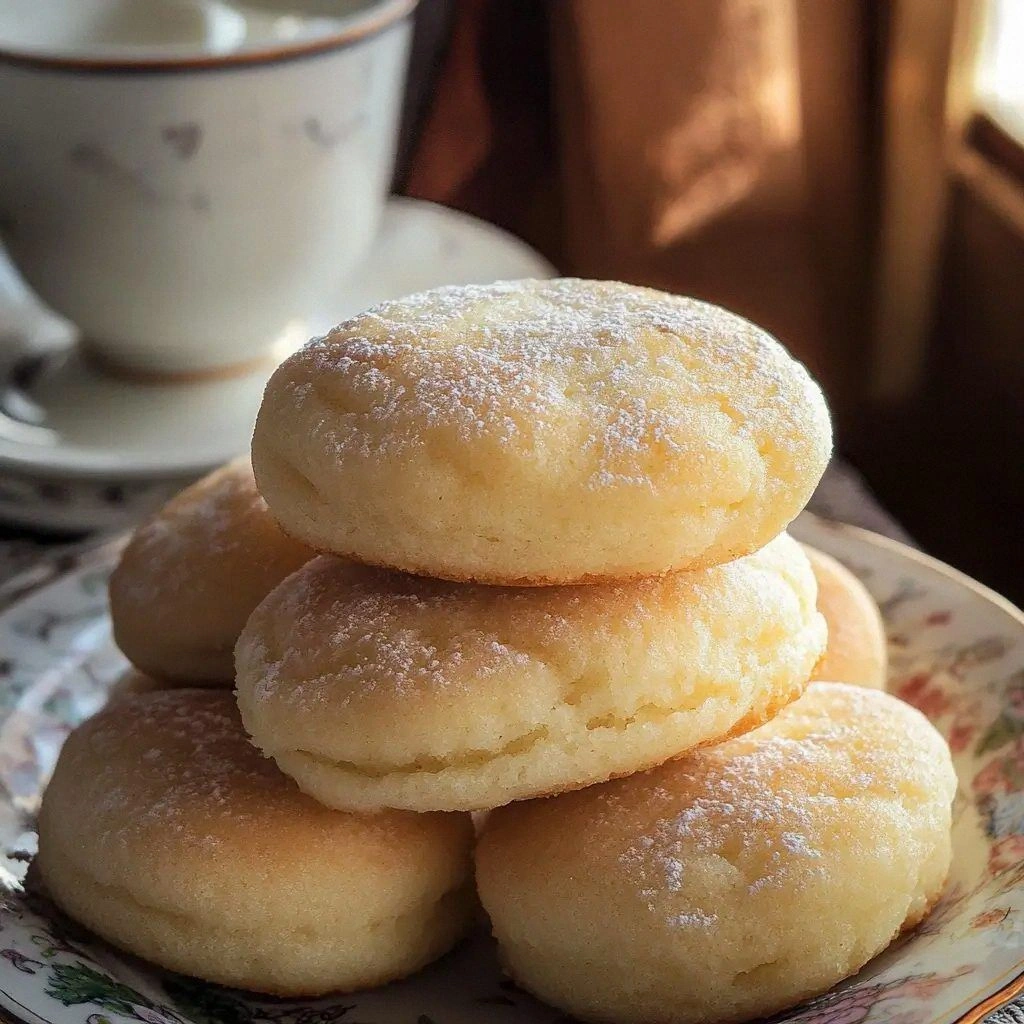
The melted butter used for brushing the cake adds a glossy, caramelized finish that makes the cake look as good as it tastes. It also helps to seal in moisture, keeping the cake fresh for days. The butter should be warm but not hot, so it spreads easily without searing the cake. A final sprinkle of powdered sugar can add a touch of elegance before serving.
Everything’s prepped? Good. Let’s get into the real action and start baking.
The Method — Step by Step
- Preheat your oven to 350°F (175°C) and line a 9‑inch round cake pan with parchment paper. Greasing the pan ensures a clean release and adds an extra layer of flavor. The parchment should be cut to fit the pan snugly, preventing batter from spilling over. This step sets the stage for a flawless bake.
- In a medium bowl, whisk together 2 cups of all‑purpose flour, 1½ teaspoons of baking powder, 1 teaspoon of baking soda, and ½ teaspoon of salt. Sifting the dry ingredients removes any lumps and aerates the mixture. A smooth dry blend ensures even distribution of leavening agents. This creates a stable foundation for the batter.
- In a separate large bowl, cream ½ cup of softened unsalted butter with 1 cup of granulated sugar until light and fluffy. The butter should be at room temperature, not melted, to incorporate air. Beat for 3–4 minutes until the mixture is pale and airy. This process creates the cake’s tender crumb.
- Beat in 2 large eggs one at a time, then stir in 1 teaspoon of vanilla extract and 1 tablespoon of freshly grated lemon zest. The eggs bind the batter, while the vanilla and lemon zest add depth and brightness. Mix until just combined; overmixing can make the cake dense. The aroma of citrus will fill the kitchen, signaling that you’re on the right track.
- Alternate adding the dry mixture and 1 cup of buttermilk to the creamed mixture, beginning and ending with the dry ingredients. Stir just until combined; the batter should be glossy and slightly thick. The buttermilk’s acidity reacts with the baking soda, creating tiny bubbles that help the cake rise. The alternation prevents overmixing and keeps the batter light.
- Fold in ¼ cup of chopped pecans and ¼ cup of chopped dried apricots if using. The nuts add a delightful crunch, while the apricots provide a chewy, sweet contrast. Gently fold to distribute evenly without deflating the batter. The batter should still feel glossy and smooth.
- Pour the batter into the prepared pan, smoothing the top with a spatula. The batter should settle evenly, creating a level surface. Place the pan in the center of the oven to ensure even heat distribution. The cake will rise quickly in the first 10 minutes.
- Bake for 25–30 minutes, or until a toothpick inserted into the center comes out clean. The cake should be golden brown and spring back when lightly pressed. The aroma will be intoxicating, filling the kitchen with a sweet, citrusy perfume. Watch out: overbaking will dry out the cake and diminish its moistness.
- Let the cake cool in the pan for 10 minutes, then transfer to a wire rack to cool completely. This prevents the bottom from becoming soggy. Cooling allows the cake to set, making slicing easier. The cake will still be warm and fragrant.
- Brush the cooled cake with 1 tablespoon of melted butter for a glossy, caramelized finish. The butter will seal in moisture and give the cake a beautiful sheen. Allow the butter to set for a minute before slicing. Serve warm with a steaming cup of tea.
That’s it — you did it. But hold on, I’ve got a few more tricks that will elevate this cake to another level.
Insider Tricks for Flawless Results
The Temperature Rule Nobody Follows
Many bakers believe that a high oven temperature always yields a better rise, but that’s a myth. The key is to bake at a steady 350°F (175°C) to allow the cake to rise evenly without the exterior setting too quickly. If your oven runs hot, use a lower temperature and extend the bake time by a few minutes. This small adjustment can transform a mediocre cake into a showstopper.
Why Your Nose Knows Best
Your sense of smell is the ultimate judge of doneness. As the cake bakes, the aroma shifts from buttery to caramelized. When the scent becomes nutty and slightly sweet, it’s a sign the cake is nearly finished. Trust your nose; it’s more reliable than a timer for the perfect crumb.
The 5-Minute Rest That Changes Everything
Letting the cake rest in the pan for 10 minutes before transferring it to a rack is crucial. This brief rest allows the steam to escape gradually, preventing the bottom from becoming soggy. It also gives the batter a chance to set, making slicing clean and effortless. Skipping this step often leads to a cake that feels heavy.
The Secret of Perfect Crust
The buttery glaze is more than just a pretty finish; it seals in moisture and creates a caramelized crust that’s both crisp and glossy. Apply the glaze while the cake is still warm to allow it to melt into the surface. If you prefer a darker crust, brush a second thin layer after the first has set.
How to Keep the Cake Moist
Moisture loss is the enemy of a great cake. To combat this, store the cake in an airtight container at room temperature for up to 3 days. If you need to keep it longer, refrigerate it, then let it sit at room temperature for 30 minutes before serving. The butter glaze also helps lock in moisture.
The Best Serving Trick
Serve the cake warm with a freshly brewed cup of tea. The steam will carry the citrus aroma, creating a sensory experience that feels like a Southern porch. If you want to add a touch of elegance, dust the top with powdered sugar just before serving. A sprinkle of crushed pistachios can add a pop of color and crunch.
Creative Twists and Variations
Lemon Poppy Seed Twist
Add 2 teaspoons of poppy seeds to the batter for a subtle crunch and a pop of color. The seeds pair beautifully with the lemon, adding a layer of texture that’s both playful and sophisticated. This variation is perfect for a brunch that needs a little extra sparkle.
Chocolate Chip Southern Tea Cake
Fold in ½ cup of semi‑sweet chocolate chips during the final mixing step. The chocolate introduces a rich, indulgent flavor that balances the citrus. This version is a crowd‑pleaser for both kids and adults.
Pumpkin Spice Edition
Replace the buttermilk with 1 cup of pumpkin puree and add 1 teaspoon each of cinnamon, nutmeg, and ginger. The pumpkin adds moisture and a warm, comforting flavor. This variation is ideal for fall gatherings.
Berry Medley Surprise
Incorporate ½ cup of fresh blueberries and ¼ cup of chopped strawberries into the batter. The berries burst with juice, adding a sweet, tart contrast to the lemon. Serve with a dollop of whipped cream for a decadent treat.
Savory Herb Variation
Omit the sugar and substitute the lemon zest with 2 tablespoons of chopped fresh thyme. Add 1 teaspoon of garlic powder for a savory kick. This version can double as a side dish for a Southern barbecue.
Gluten-Free Adaptation
Replace the all-purpose flour with a 1:1 gluten-free blend. Ensure the blend contains xanthan gum for structure. The cake will have a slightly denser crumb but will still deliver the citrus brightness you love.
Room Temperature Storage
If you prefer to keep the cake at room temperature, store it in an airtight container for up to 2 days. The cake will stay moist and flavorful. Avoid exposing it to direct sunlight, which can cause it to dry out.
Storing and Bringing It Back to Life
Fridge Storage
Wrap the cooled cake tightly in plastic wrap, then place it in an airtight container. Store in the refrigerator for up to 3 days. The cold temperature keeps the cake fresh without drying it out. When ready to serve, let it sit at room temperature for 15 minutes.
Freezer Friendly
Slice the cake into individual portions and wrap each slice in parchment paper before placing them in a freezer bag. Freeze for up to 2 months. To thaw, leave the slices at room temperature for 30 minutes. This method preserves the cake’s texture and flavor.
Best Reheating Method
Reheat frozen slices in a preheated oven at 300°F (150°C) for 10 minutes, or until warm. For a quick refresh, microwave on low power for 15–20 seconds. Add a splash of water before reheating to create steam, which keeps the cake moist and fluffy.