There was a night last month when my kitchen turned into a battlefield and I, the culinary warrior, found myself staring at a can of chickpeas, a rainbow of bell peppers, and a stubborn carrot that refused to soften. I was supposed to be making a quick stir‑fry for a friend’s dinner party, but the stove was on high, the garlic had gone black, and the rice was a soggy mess. The moment the chickpeas hit the pan and started to sizzle like a drumbeat, I realized this was not just another recipe—it was a revelation. That single, humble ingredient, the chickpea, became the star, and the rest of the veggies played supporting roles in a flavor symphony that would change how I approach every stir‑fry.
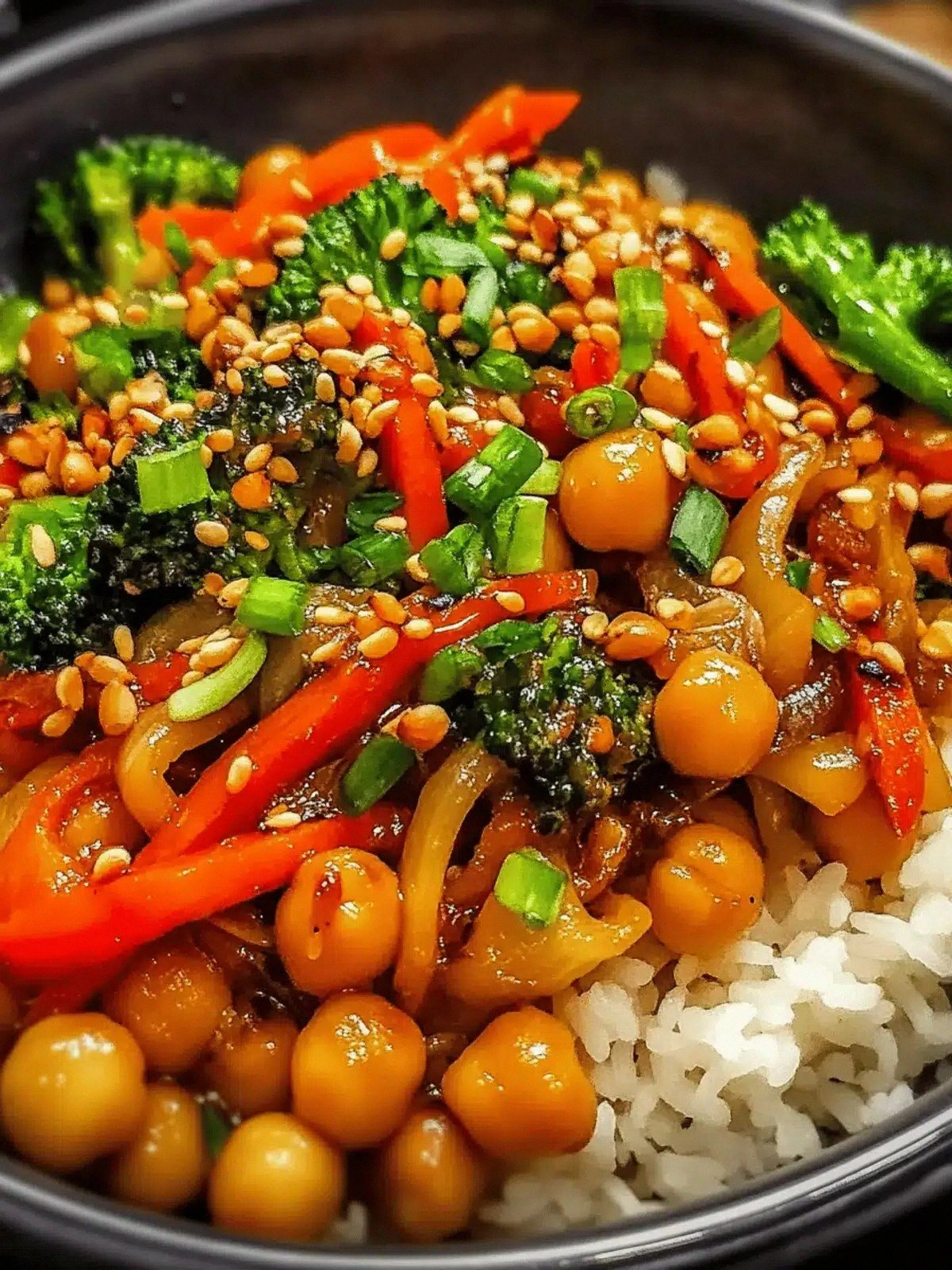
Picture the scene: a bright, sun‑kissed kitchen, the aroma of toasted garlic and ginger dancing through the air, the sound of a wok clattering like a percussion section, and the visual of crisp bell pepper strips glimmering in a glossy sauce. The texture is a delightful contrast—crunchy vegetables meeting tender chickpeas, all coated in a silky soy‑maple glaze that clings to each bite like velvet. The taste is a harmonious blend of umami, sweet, and a hint of heat from the ginger, while the finish leaves a faint, comforting warmth that lingers on the palate. And the best part? The dish is assembled in under 45 minutes, making it the ultimate go‑to for busy weeknights.
What sets this version apart from the endless variations you find online is the intentional balance of simplicity and depth. I’ve distilled the process to essential steps, removed the fluff, and added a secret ingredient that elevates the whole bowl—just a splash of toasted sesame oil that brings nutty undertones and a subtle crunch to the sauce. It’s a technique that most recipes overlook, yet it transforms a good stir‑fry into the best version you’ll ever make at home. I dare you to taste this and not go back for seconds; it’s that addictive.
If you’ve ever struggled with bland stir‑fries that taste like they’re missing a punch, you’re not alone—and I’ve got the fix. Let me walk you through every single step, from prepping the veggies to finishing the sauce, so that by the end you’ll wonder how you ever cooked it any other way. The journey will be a mix of playful banter, practical hacks, and a few kitchen mishaps that will keep you laughing as you learn. So, grab your wok, set your timer, and let’s dive into the most satisfying chickpea stir‑fry bowl you’ve ever tasted.
What Makes This Version Stand Out
- Flavor: The soy‑maple glaze is a sweet‑savory masterpiece that coats every chickpea and vegetable, turning simple ingredients into a flavor explosion.
- Texture: Crispy edges on bell pepper and carrot juxtapose the tender chickpeas, creating a satisfying bite that feels like a party in your mouth.
- Simplicity: No fancy sauces, no complicated techniques—just a handful of ingredients and a few quick steps that even a novice can master.
- Versatility: Swap rice for noodles, add a splash of lime, or sprinkle toasted sesame seeds, and the dish morphs to fit any craving.
- Nutrition: Packed with plant protein, fiber, and essential vitamins, this bowl is as healthy as it is delicious.
- Make‑ahead: The sauce can be prepared in advance and stored, making it a perfect meal prep staple for the busy week.
- Crowd‑pleaser: Friends and family will rave about the vibrant colors and bold flavors, making it ideal for dinner parties.
- Ingredient Quality: Using fresh, high‑quality produce ensures each bite bursts with natural flavor.
Alright, let's break down exactly what goes into this masterpiece. The next section will walk you through each group of ingredients, their roles, and why you shouldn’t skip any of them.
Inside the Ingredient List
The Flavor Base
Soy sauce and maple syrup form the backbone of the glaze, delivering a perfect balance of salty umami and subtle sweetness. The maple syrup adds depth and a caramelized finish that enhances the chickpeas’ natural nuttiness. If you’re watching sodium, reduce the soy sauce to 2 tablespoons and add a splash of low‑sodium broth to keep the flavor punchy.
The Texture Crew
Chickpeas are the star protein; they hold their shape and absorb the sauce beautifully. Bell pepper slices provide a bright, crunchy contrast, while carrots bring a sweet, earthy note and a pop of color. Broccoli florets add a satisfying bite and a dose of vitamin C that keeps the dish wholesome. Skipping any of these would leave the bowl feeling incomplete.
The Unexpected Star
Garlic and ginger are the unsung heroes that drive the aroma. The garlic gives that classic wok flavor, while the ginger adds a subtle heat that lingers without overpowering. Together, they create a fragrant base that makes the dish unforgettable. If you’re sensitive to spice, reduce the ginger to half a tablespoon.
The Final Flourish
Vegetable oil is used to sear the vegetables and prevent sticking; choose a neutral oil like canola or peanut for the best flavor. The rice or noodles serve as the carbohydrate foundation, absorbing the sauce and providing a comforting base. A 2‑cup portion ensures the bowl is hearty but not overwhelming. If you prefer a gluten‑free option, swap rice for quinoa or cauliflower rice.
Everything's prepped? Good. Let's get into the real action.
The Method — Step by Step
- Heat the wok or large skillet over medium‑high heat. Add 1 tablespoon of vegetable oil, letting it shimmer until it’s almost smoking. The oil’s temperature is crucial—too hot and the veggies will burn, too cool and they’ll steam. When the oil glistens, you’re ready to start.
- Add the minced garlic and grated ginger. Sauté for 30 seconds until fragrant, but be careful not to let them brown. The aroma that fills the kitchen is the first hint that this dish is about to become unforgettable.
- Introduce the bell pepper strips and carrot slices. Stir‑fry for 2 minutes, letting the vegetables get a slight char. The color change from bright green to a deeper hue signals that they’re developing flavor.
- Add the broccoli florets and continue cooking for another 2 minutes. You want them crisp‑tender, not mushy. The broccoli’s steam will help lift the sauce off the pan.
- Drain the chickpeas and add them to the pan. Toss everything together so the chickpeas soak up the aromatic base. The chickpeas will start to brown slightly, giving them a satisfying crunch.
- Pour in 3 tablespoons of soy sauce and 1 tablespoon of maple syrup. Stir to coat all the veggies and chickpeas. The sauce should coat like a silk scarf; if it looks too thick, add a splash of water or broth.
- Lower the heat to medium, cover the pan for 3 minutes to allow the flavors to meld. The steam will soften the vegetables just enough while keeping the chickpeas firm.
- Uncover, sprinkle a teaspoon of toasted sesame oil, and give one final stir. The sesame oil adds a nutty aroma that elevates the entire dish. Serve hot over a bed of 2 cups of cooked rice or noodles.
That’s it — you did it. But hold on, I've got a few more tricks that'll take this to another level. Keep reading for insider tips and creative twists.
Insider Tricks for Flawless Results
The Temperature Rule Nobody Follows
Wok or skillet temperature is everything. A too‑low heat turns the stir‑fry into a steamed dish; a too‑high heat burns the veggies. Use a heat‑probe thermometer or simply drop a water droplet; if it dances and evaporates instantly, the pan is ready.
Why Your Nose Knows Best
Before you even taste, sniff the sauce. A sweet, caramelized aroma means the maple syrup has cooked down properly. If it smells overly sharp or burnt, let it simmer a few more minutes to mellow out.
The 5‑Minute Rest That Changes Everything
After cooking, let the stir‑fry rest for 5 minutes. This allows the flavors to settle and the sauce to thicken slightly, giving each bite a richer taste. It also lets the chickpeas absorb the glaze fully.
Add a Splash of Lemon Juice
A squeeze of fresh lemon juice right before serving brightens the dish and cuts through the sweetness of the maple syrup. It also adds a fresh zing that keeps the bowl from feeling heavy.
Use a Non‑Stick Wok for Easy Clean‑Up
A high‑quality non‑stick wok means you can toss in more veggies without worrying about sticking. It also reduces the need for extra oil, making the dish lighter.
Serve with Toasted Sesame Seeds
A sprinkle of toasted sesame seeds adds a crunchy texture and nutty flavor that complements the sesame oil. They also give the dish a professional finish that impresses guests.
Creative Twists and Variations
This recipe is a playground. Here are some of my favorite ways to switch things up:
Spicy Thai Kick
Replace the maple syrup with a tablespoon of fish sauce and add a tablespoon of Thai red curry paste. Toss in a handful of fresh basil leaves at the end. The result is a fiery, aromatic bowl that transports you to Bangkok.
Mediterranean Flair
Swap the soy sauce for a splash of olive oil and a teaspoon of oregano. Add a handful of chopped kalamata olives and a sprinkle of feta cheese. The olive oil gives it a silky finish while the olives add briny depth.
Sweet & Smoky BBQ
Use a tablespoon of your favorite BBQ sauce instead of maple syrup. Add a pinch of smoked paprika to the veggies. The smoky undertone pairs beautifully with the chickpeas’ nuttiness.
Vegan Coconut Curry
Replace the soy sauce with coconut aminos and stir in a tablespoon of coconut milk. Add a handful of sliced mushrooms for extra umami. The result is a creamy, tropical twist that feels like a vacation.
Crunchy Crunch
Top the finished bowl with a handful of crispy fried shallots or crushed tortilla chips. The crunch adds a delightful contrast and makes the dish feel indulgent.
Protein Power
Add a scoop of protein powder (unflavored or vanilla) to the sauce before adding the chickpeas. Stir until fully incorporated. This makes the dish a protein-packed meal for post‑workout recovery.
Storing and Bringing It Back to Life
Fridge Storage
Cool the bowl completely before transferring it to an airtight container. Store in the refrigerator for up to 3 days. When ready to eat, reheat in a microwave for 2 minutes or on the stovetop over medium heat, stirring occasionally.
Freezer Friendly
For longer storage, freeze the bowl in a freezer‑safe container for up to 2 months. Thaw overnight in the refrigerator or use the defrost setting on your microwave. Reheat thoroughly, adding a splash of water to loosen the sauce.
Best Reheating Method
Add a tiny splash of water or broth before reheating; it steams the vegetables back to perfection and prevents the sauce from drying out. A quick stir over medium heat for 3–4 minutes is all you need to revive the dish.