I was halfway through a disastrous brunch when my roommate dared me to “make something that actually looks like it belongs on a travel blog.” I laughed, grabbed the last few red onions, and thought, “Why not Shakshuka?” The kitchen instantly turned into a battlefield of sizzling oil, aromatic spices, and a single, stubborn egg that refused to crack. That moment of chaos sparked the most unforgettable version of this Middle Eastern bake you’ll ever taste. I dare you to try it and not go back for seconds.
Imagine the kitchen filling with the scent of paprika and cumin, a warm, earthy perfume that tells your nose you’re about to dive into something truly comforting. The tomatoes simmer, bubbling like a red velvet tide, while the peppers crackle, releasing a sweet, smoky perfume that makes your stomach do a little happy dance. You hear the gentle hiss as the oil embraces the onions, and the whole scene feels like a sunrise over a bustling market, bright and full of promise.
What makes this version stand out? Most Shakshuka recipes either drown the eggs in a watery sauce or over‑cook them until the whites turn rubbery. I’ve cracked the code by creating a sauce that’s thick enough to cradle each egg like a warm blanket, yet bright enough to let the yolk shine through like sunrise gold. The secret? A splash of broth that adds depth without diluting the flavor, and a precise bake time that gives the egg whites a gentle set while keeping the yolk perfectly runny.
I’ll let you in on a technique most cooks skip: I finish the dish under a broiler for just 90 seconds. That quick burst of heat creates a caramelized edge on the sauce, a flavor‑boosting crust that’s pure magic. Okay, ready for the game‑changer? Let me walk you through every single step — by the end, you’ll wonder how you ever made it any other way.
What Makes This Version Stand Out
- Bold Flavor: The combination of paprika, cumin, and a hint of cayenne creates a sauce that sings with smoky heat, balanced by the sweet acidity of fresh tomatoes.
- Velvety Texture: The broth‑enriched sauce clings to each egg like velvet, ensuring every bite is luxuriously moist without being soupy.
- Simple Prep: Only ten ingredients, all pantry‑friendly, and a single‑pan method that means fewer dishes and more time to enjoy.
- Unique Finish: A quick broil gives the top a caramelized kiss, a step most recipes skip, delivering flavor depth you can’t ignore.
- Crowd‑Pleaser: The visual of eggs nestled in a ruby‑red sauce is Instagram‑ready, and the taste keeps everyone coming back for more.
- Ingredient Quality: Using fresh parsley (or cilantro) adds a burst of herbaceous brightness that lifts the whole dish.
- Make‑Ahead Potential: You can prep the sauce a day ahead, refrigerate, and just add the eggs when you’re ready to serve.
- Versatile Serving: Whether you pair it with pita, crusty bread, or a side of roasted potatoes, it fits any meal occasion.
Alright, let's break down exactly what goes into this masterpiece...
Inside the Ingredient List
The Flavor Base
Olive oil is the silent hero here, providing a buttery foundation that carries the aromatics without burning. Use a good‑quality extra‑virgin olive oil; its fruity notes will complement the tomatoes perfectly. If you’re in a pinch, a neutral oil works, but you’ll miss that subtle peppery finish.
Red onion offers a sweet depth that balances the acidity of the tomatoes. Choose a small, firm onion – the fresher, the better. Skipping the onion leaves the sauce flat, like a song without a bass line.
A single garlic clove, minced just before adding, injects a punch of pungency that mellows as it cooks. If you love garlic, feel free to double it, but remember that too much can overpower the delicate spice blend.
The Texture Crew
Red capsicum (bell pepper) adds a subtle sweetness and a faint crunch that survives the simmer. Opt for a firm, glossy pepper; a wilted one will release excess water, diluting the sauce. For a smoky twist, char the pepper under a broiler before dicing.
The fresh tomato provides brightness and a burst of natural sweetness. Peel it if you prefer a smoother sauce; the skin can add a rustic texture that some love. A ripe, slightly soft tomato is ideal – too firm and it won’t meld into the sauce.
Crushed tomatoes (400 g) are the backbone, delivering that deep, rich tomato flavor. Choose a brand with no added herbs so you can control the seasoning. If you can’t find crushed, blend whole canned tomatoes for a similar consistency.
The Unexpected Star
Tomato paste is the secret weapon that intensifies the sauce, adding umami and a concentrated sweetness. A single tablespoon is enough; more will make the sauce overly thick. If you don’t have paste, simmer the crushed tomatoes longer to reduce them.
A half‑cup of broth (or water) unlocks a silky mouthfeel, preventing the sauce from becoming a dry paste. Use chicken broth for a richer taste, or vegetable broth for a lighter, vegetarian version. Skipping the liquid results in a sauce that clings too tightly to the pan.
The Final Flourish
Paprika and cumin, each a teaspoon, are the spice duo that defines Shakshuka’s Middle Eastern soul. Paprika adds a sweet smoky note, while cumin contributes earthiness. Freshly ground spices will elevate the flavor dramatically.
A pinch of black pepper and cayenne (¼ tsp each) brings a gentle heat that tingles the palate without overwhelming. Adjust cayenne to your spice tolerance – remember, you can always add more later, but you can’t take it out.
Half a teaspoon of salt is the balancing act, enhancing every other flavor. Taste as you go; if the tomatoes are already salty, reduce a bit.
Four eggs (or up to six for a crowd) are the star performers, each nestled in the sauce like a golden sunrise. The key is to add them at the right moment so the whites set while the yolks stay luscious.
Fresh parsley or cilantro, chopped, adds a bright, herbaceous finish that lifts the heavy tomato base. I prefer parsley for its clean flavor, but cilantro brings a citrusy edge that some love.
Pita or crusty bread is the essential sidekick, perfect for scooping up every last drop of sauce. Toast it lightly for extra crunch.
Everything's prepped? Good. Let's get into the real action...
The Method — Step by Step
Heat 2 tbsp of olive oil in a 10‑inch oven‑safe skillet over medium heat. When the oil shimmers, add the diced red onion. Sauté for about 4‑5 minutes, stirring occasionally, until the onion becomes translucent and begins to caramelize. That sizzle when it hits the pan? Absolute perfection. Pro tip: Keep the heat steady; too high and the onion will burn, too low and it won’t develop flavor.
Add the minced garlic and diced red capsicum. Cook for another 2‑3 minutes, letting the garlic turn fragrant but not brown.
Kitchen Hack: If you want a deeper flavor, toast the garlic lightly before adding the pepper; it adds a nutty undertone.Stir in the chopped fresh tomato and the 400 g can of crushed tomatoes. Let the mixture come to a gentle simmer, then add the tablespoon of tomato paste. The paste will melt into the sauce, thickening it and intensifying the tomato taste. Simmer for 5‑7 minutes, allowing the flavors to meld. You should notice the sauce pulling away slightly from the side of the pan – that’s the sign it’s thickening correctly.
Pour in the ½ cup of chicken or vegetable broth (or water). This liquid is the secret that keeps the sauce from becoming a dry paste. Bring the mixture back to a simmer, then season with 1 tsp paprika, 1 tsp cumin, ¼ tsp black pepper, ¼ tsp cayenne, and ½ tsp salt. Stir well, and let it cook for another 3‑4 minutes. Taste and adjust seasoning if needed – remember, the broth will mellow the salt, so you might need a tiny pinch more.
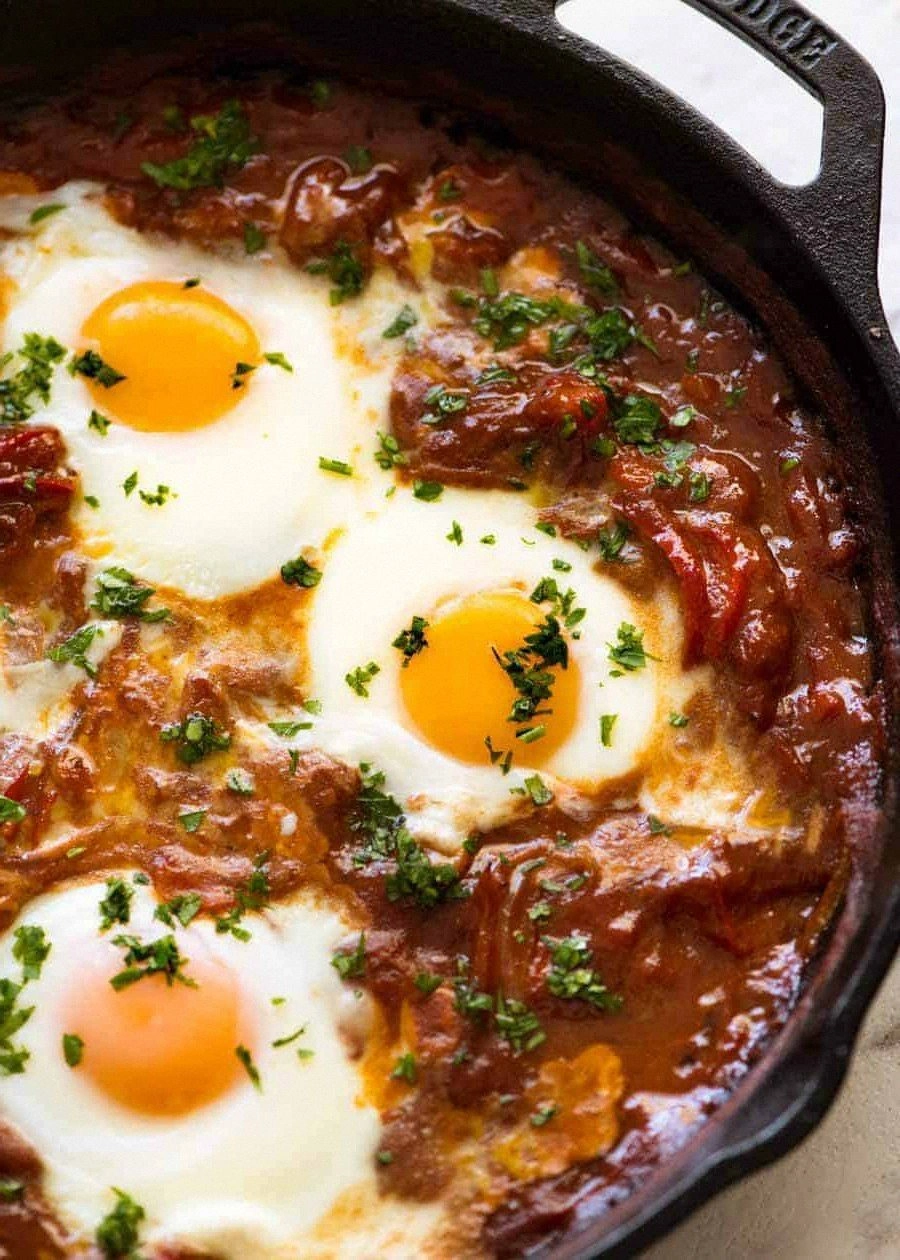
Create four shallow wells in the sauce using the back of a spoon. Crack each egg into a separate small bowl first (to avoid shells), then gently slide each egg into its well. This method keeps the yolks intact and ensures even distribution.
Transfer the skillet to a preheated oven at 375°F (190°C). Bake for 8‑10 minutes, watching closely. The whites should be set but still slightly jiggly, while the yolks remain runny.
Watch Out: Opening the oven too early can cause the eggs to collapse. Keep the door closed until the timer dings.For the final touch, switch the oven to broil and let the dish sit for 90 seconds. This quick blast creates a caramelized rim around the sauce, adding a subtle crunch and a deeper flavor. Keep a close eye – the broiler works fast, and you don’t want a burnt top.
Remove the skillet, sprinkle the chopped parsley or cilantro over the top, and let it rest for 2 minutes. This brief rest lets the flavors settle and the herbs release their aroma. Serve immediately with warm pita or crusty bread, and watch your guests dive in. That first bite? It’s the kind of experience that makes you whisper, “This is hands down the best version you’ll ever make at home.”
That's it — you did it. But hold on, I've got a few more tricks that'll take this to another level...
Insider Tricks for Flawless Results
The Temperature Rule Nobody Follows
Never start with a scorching pan; medium heat is the sweet spot. A too‑hot skillet will scorch the onion, imparting bitterness. Keep the temperature steady, and you’ll get a golden caramelization without the burnt taste. A friend once cranked the heat to high and ended up with a blackened bottom that ruined the whole batch – lesson learned.
Why Your Nose Knows Best
Your sense of smell is the ultimate doneness gauge. When the sauce starts to smell nutty and the edges pull away, you know it’s ready for the eggs. If it still smells raw, give it another minute. Trust that nose; it’s more reliable than a timer.
The 5‑Minute Rest That Changes Everything
After the broil, let the dish sit for exactly five minutes. This short rest allows the residual heat to finish setting the whites without overcooking the yolks. Skipping this step leads to eggs that are either too runny or too firm – a culinary limbo.
Herb Timing Trick
Add fresh parsley or cilantro at the very end, not during cooking. The heat will wilt the herbs, but adding them last preserves their bright flavor and color. If you sprinkle them too early, they’ll lose their punch and turn dull.
Bread Prep Boost
Lightly brush your pita or crusty bread with olive oil and toast it under the broiler for 1‑2 minutes. This creates a crunchy surface that soaks up the sauce without getting soggy. My first attempt used plain bread, and it turned into a soggy mess – now I always toast it.
Creative Twists and Variations
This recipe is a playground. Here are some of my favorite ways to switch things up:
Spicy Sausage Shakshuka
Brown sliced chorizo or merguez alongside the onion for a smoky, meaty depth. The fat from the sausage enriches the sauce, making it heartier – perfect for a weekend brunch.
Green Goddess Version
Swap the red capsicum for a handful of spinach and add a splash of coconut milk. The result is a creamy, verdant take that pairs beautifully with cilantro.
Cheesy Delight
Sprinkle crumbled feta or shredded halloumi over the top just before the broil. The cheese melts into golden flecks, adding salty richness that contrasts the bright tomato base.
Mediterranean Veggie Boost
Add diced zucchini, eggplant, or even artichoke hearts to the sauce. These veggies absorb the spices and contribute a satisfying bite, turning the dish into a full‑veggie feast.
Breakfast Power-Up
Throw in a handful of cooked quinoa or couscous before the eggs. It adds texture and makes the meal more filling, ideal for a post‑workout refuel.
Storing and Bringing It Back to Life
Fridge Storage
Cool the Shakshuka to room temperature, then transfer it to an airtight container. It will keep for up to 3 days. When reheating, add a splash of water or broth and gently warm on the stovetop, stirring occasionally.
Freezer Friendly
Separate the sauce from the eggs before freezing. Store the sauce in a freezer‑safe bag for up to 2 months. Thaw overnight in the fridge, reheat, then add fresh eggs and finish under the broiler.
Best Reheating Method
Place the leftover in a skillet, drizzle 2 tbsp water, cover, and warm over low heat until the sauce is steamy. Crack fresh eggs on top, cover again, and let them set for 4‑5 minutes. This restores the original texture and keeps the yolks luscious.