Picture this: I’m standing in my kitchen, the stove humming, a bag of fresh squid on the counter, and a friend daring me to make a Korean dish that’s supposed to set my taste buds ablaze. I laughed, because I’ve always been a fan of spicy food, but I’ve never tried a stir‑fry that’s supposed to be the “ultimate” version. The next thing I know, a splash of avocado oil, a dash of fish sauce, and a handful of red chili flakes are flying through the air, turning my kitchen into a fragrant, sizzling arena. The disaster? A bowl of over‑cooked squid that tasted like rubber. But that was the night I discovered the recipe that saved my culinary confidence.
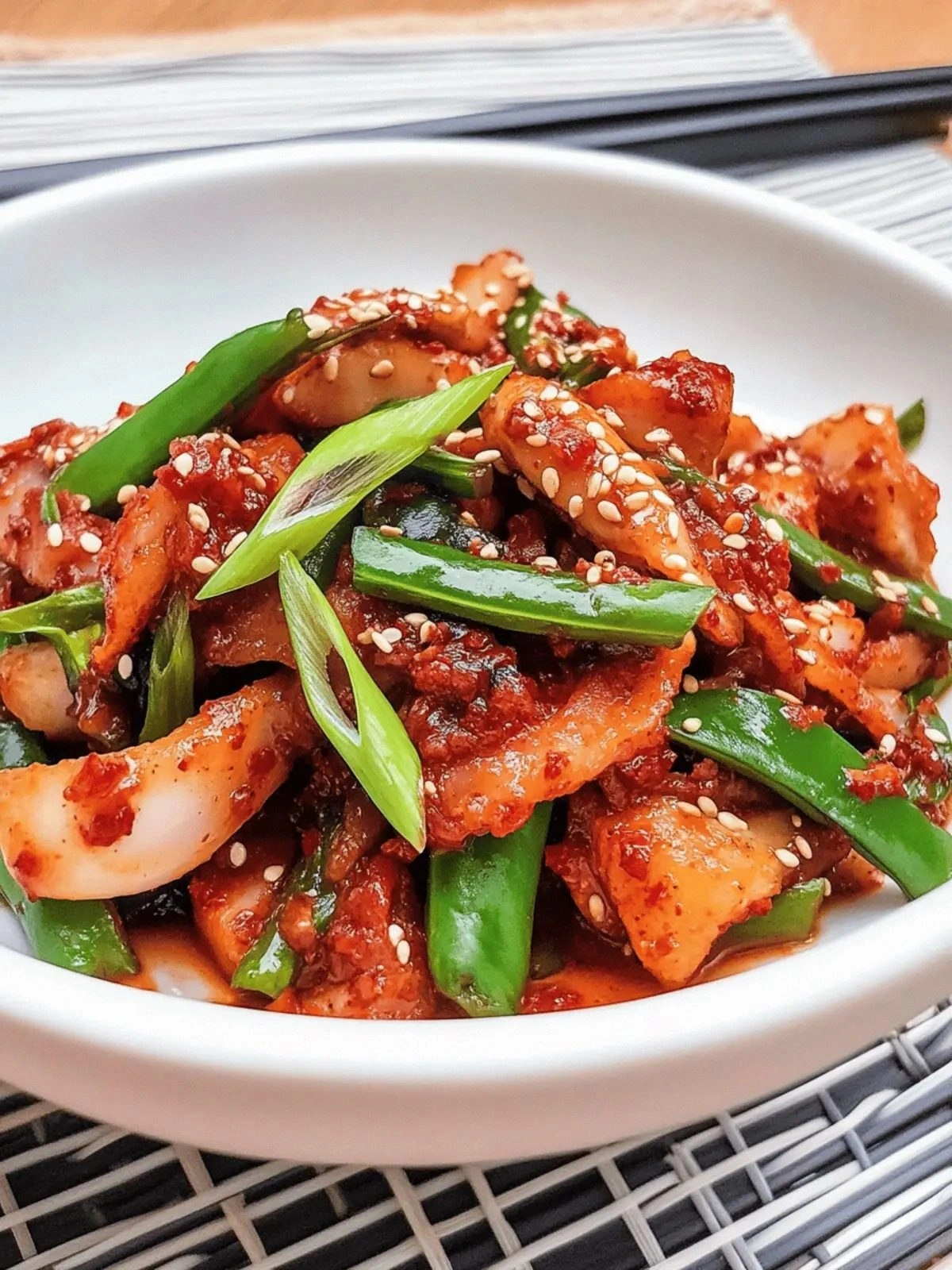
From the moment the oil hit the pan, a crackling sound erupted—like a tiny fireworks show. The aroma was a complex tapestry: smoky sesame oil, sharp garlic, the earthy sweetness of soy sauce, and that unmistakable peppery punch of Gochugaru. The sight of the squid turning from translucent to a bright, glossy pink was a visual cue that the magic was happening. The texture—juicy, tender, with just the right amount of chew—was a revelation. And when it hit my tongue, the heat rolled over my palate like a warm wave, followed by a burst of umami that left me craving more. I knew then that I was about to share something special.
What sets this version apart isn’t just the fiery kick; it’s the harmony of flavors and textures that work together in a symphony of Korean-inspired perfection. I’ve tweaked the classic recipe by adding a splash of sesame oil for depth, using avocado oil for a higher smoke point, and balancing the heat with a touch of fish sauce to bring a subtle briny note. The result is a dish that’s both bold and balanced, with a smoky finish that lingers. Most recipes get this completely wrong—too much heat, too much oil, or an unbalanced seasoning. This version, however, delivers a crisp, satisfying bite that’s impossible to resist.
And the best part? There’s a secret technique that most people overlook—briefly blanching the squid before stir‑frying. This step locks in moisture, keeps the texture firm, and prevents that rubbery outcome I mentioned earlier. I dare you to taste this and not go back for seconds. Let me walk you through every single step—by the end, you’ll wonder how you ever made it any other way.
What Makes This Version Stand Out
- Flavor Balance: The combination of Gochugaru, fish sauce, and sesame oil creates a layered profile that’s both spicy and savory, ensuring that each bite is a complex experience.
- Texture Precision: Blanching the squid before stir‑frying preserves its natural chewiness while preventing over‑cooking, resulting in a tender yet firm bite.
- Quick Prep: Every ingredient is pre‑measured and ready to go, making this dish a breeze for weeknight dinners or quick gatherings.
- Heat Control: The measured amount of chili flakes and black pepper gives you a predictable heat level—no surprises, just pure, controlled spice.
- Authentic Korean Touch: The use of Gochugaru and a splash of fish sauce pays homage to traditional Korean flavors while still feeling fresh and contemporary.
- Versatility: It’s a crowd‑pleaser that can be served over rice, noodles, or as a standalone appetizer, adapting to any meal plan.
- Make‑Ahead Friendly: The dish can be prepared ahead of time and reheated without losing its vibrant flavor, making it perfect for meal prep.
Inside the Ingredient List
The Flavor Base
Red chili pepper flakes, or Gochugaru, are the heart of this dish. They provide that signature Korean heat and a subtle smoky sweetness that sets the flavor profile. If you can’t find Gochugaru, a mix of regular red pepper flakes and a pinch of smoked paprika will approximate the depth, but the authentic taste will be slightly muted. The 2 tablespoons used here are calibrated to deliver a medium heat—enough to excite but not overwhelm. It’s the first thing you’ll notice, and it’s what anchors the rest of the seasonings.
The Texture Crew
14‑16 oz of whole medium‑sized squid is the star of the show. Fresh squid is firm and has a slightly sweet flavor that pairs beautifully with the spicy sauce. If you’re dealing with frozen squid, thaw it slowly in the refrigerator overnight and pat it dry before cooking. This prevents excess moisture from clouding the sauce. The 2 cloves of minced garlic add a pungent aroma that lifts the dish; a quick sauté of the garlic before adding the squid brings out its natural sweetness. A splash of ½ teaspoon soy sauce helps to tenderize the squid and adds a subtle umami layer.
The Unexpected Star
Fish sauce, in just 1 teaspoon, brings a deep, briny undertone that balances the heat and enriches the overall flavor. If you’re vegetarian or vegan, a small amount of tamari or a dash of miso paste can provide a similar depth. Black pepper and salt, each ¾ teaspoon, are added last to lock in the seasoning. The ½ teaspoon sesame seeds add a nutty crunch and a visual pop, while the 1 teaspoon sesame oil infuses the dish with a toasted, nutty aroma that lingers. Green onions, cut into 1‑inch pieces, finish the dish with a bright, fresh note that cuts through the richness.
The Final Flourish
Avocado oil, used for its high smoke point and mild flavor, is the ideal cooking medium for this dish. It allows the squid to sear quickly without absorbing too much oil. A splash of water or broth during the last few minutes of cooking can keep the squid moist, especially if you’re preparing it in advance. The ½ teaspoon sesame seeds are sprinkled over the top at the end, giving a final burst of texture and color that makes the dish Instagram‑worthy.
Everything’s prepped? Good. Let’s get into the real action…
The Method — Step by Step
- Step 1: Prep the Squid. Rinse the squid under cold water, pat dry, and slice into rings if you prefer a quicker cook time. For whole pieces, trim the head and tail, then cut the body into bite‑sized sections. This ensures even cooking and a consistent texture across all pieces.
- Step 2: Blanch the Squid. Bring a pot of salted water to a rolling boil. Drop the squid into the water for 10–12 seconds, then immediately transfer to an ice bath. This quick blanch locks in moisture and prevents the squid from becoming rubbery during the stir‑fry.
- Step 3: Heat the Pan. Place a wide skillet or wok over medium‑high heat and add 1 tablespoon of avocado oil. Once the oil shimmers, add the minced garlic and sauté for 30 seconds until fragrant. The garlic should not brown; it should release a sweet aroma that sets the foundation for the dish.
- Step 4: Add the Squid. Toss the blanched squid into the pan, stirring quickly to coat it with oil and garlic. Sauté for 1–2 minutes until the edges start to turn opaque, signaling that the squid is nearly cooked. Don’t let it stay too long—overcooking will make it tough.
-
Step 5: Season the Base. Sprinkle in 2 tablespoons of Gochugaru, ¾ teaspoon of black pepper, and ¾ teaspoon of salt. Stir vigorously to distribute the spices evenly. The heat from the pan will help the chili flakes bloom, releasing their full flavor profile. Watch Out: The chili flakes can ignite a small flare if the pan is too hot. Keep the heat moderate and stir constantly to avoid flare‑ups.
- Step 6: Add the Sauce. Pour in 1 teaspoon of fish sauce, ½ teaspoon of soy sauce, and 1 teaspoon of sesame oil. Toss the squid again so the sauce coats every piece. This step is crucial for a cohesive flavor; the sauce should coat the squid like a glossy glaze. The sesame oil will give a toasted aroma that lingers after every bite.
- Step 7: Finish with Greens. Add the 4 stems of green onions, cut into 1‑inch pieces, and stir for an additional minute. The green onions add a fresh, slightly sweet contrast to the heat, brightening the overall profile.
- Step 8: Sprinkle Sesame Seeds. Toss in ½ teaspoon of sesame seeds and give one final quick stir. The seeds should toast slightly, releasing a nutty fragrance that completes the dish’s aroma.
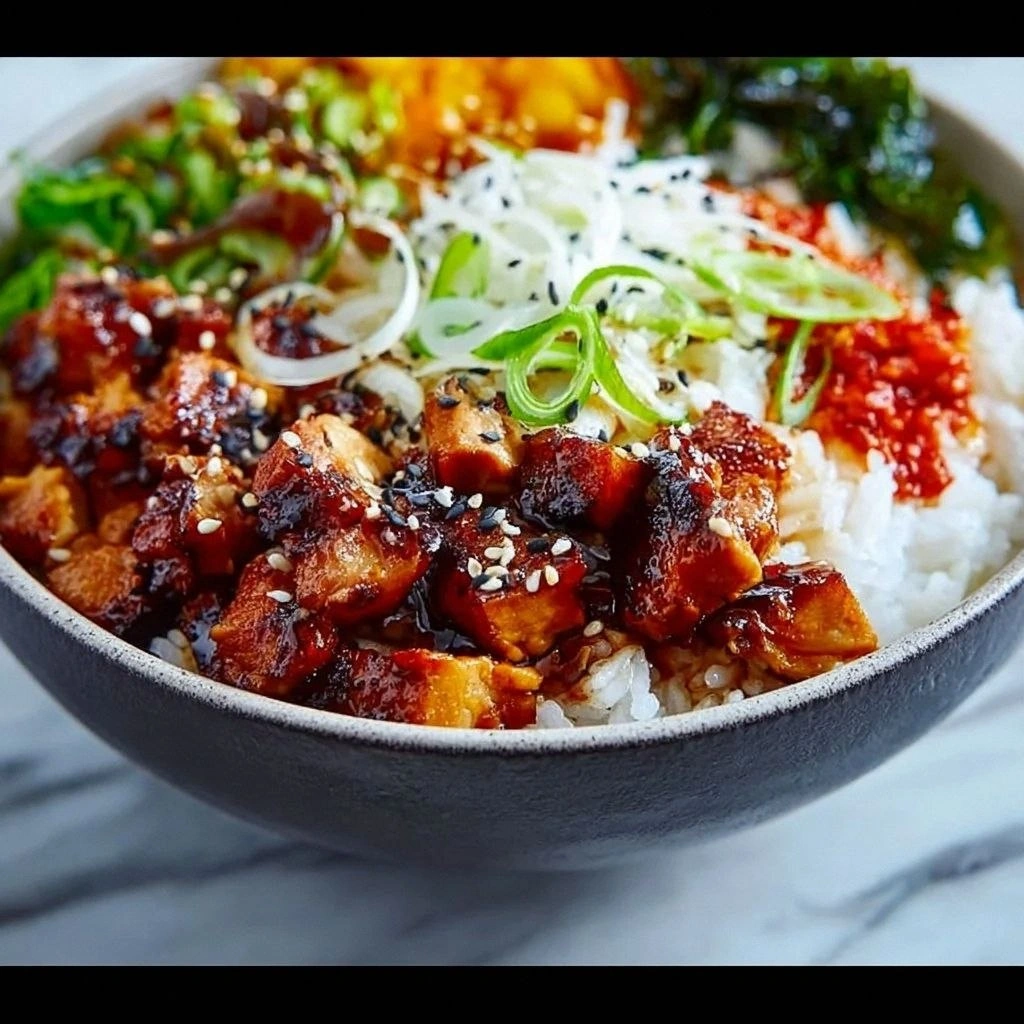
- Step 9: Serve Immediately. Plate the squid onto a hot dish or a bowl of steamed rice, and optionally drizzle a tiny bit of extra sesame oil for shine. The dish is best enjoyed hot, when the flavors are at their peak. That sizzle when it hits the pan? Absolute perfection.
That’s it — you did it. But hold on, I’ve got a few more tricks that’ll take this to another level…
Insider Tricks for Flawless Results
The Temperature Rule Nobody Follows
Many people cook squid at a lower temperature, which leads to uneven cooking. I swear by a high‑heat, quick‑sauté technique that sears the outside while keeping the inside moist. Keep the pan hot enough that the oil shimmers, but not so hot that it burns the garlic. This ensures a crisp exterior and a tender interior.
Why Your Nose Knows Best
The aroma of sesame oil is a subtle indicator of readiness. When the oil starts to emit a toasted, nutty scent, that’s the sweet spot. If the oil is still clear and bland, you’re under‑cooking; if it’s smoking, you’re over‑cooking. Trust your nose, it’s a seasoned chef’s best tool.
The 5‑Minute Rest That Changes Everything
After removing the pan from heat, let the squid rest for 5 minutes. This allows the juices to redistribute, preventing a dry bite. It also gives the sauce a chance to thicken slightly, creating a more cohesive coating.
Use a Splash of Water for Reheating
If you’re reheating leftovers, add a teaspoon of water or broth before microwaving. This steams the squid back to its original moistness and prevents it from drying out.
Keep It Simple
Don’t overcomplicate the seasoning. The combination of Gochugaru, fish sauce, and sesame oil is potent enough. Adding extra spices can dilute the core flavors and create an unbalanced dish.
Creative Twists and Variations
This recipe is a playground. Here are some of my favorite ways to switch things up:
Spicy Tuna Fusion
Swap the squid for diced tuna steak for a pescatarian twist. The tuna’s firmer texture pairs well with the spicy sauce, creating a sushi‑inspired dish that’s perfect for lunch.
Vegetarian K-Pop
Replace the squid with firm tofu cubes. The tofu will soak up the sauce, giving a hearty, plant‑based alternative that still delivers the signature heat.
Seafood Medley
Add shrimp or scallops to the pan for a multi‑seafood experience. The shrimp’s quick cooking time means you’ll need to add it last to avoid overcooking.
Herb‑Infused Finale
Stir in a handful of fresh cilantro or basil right before serving. The herbs add a bright, herbal note that cuts through the richness and offers a fresh finish.
Gluten‑Free Option
Serve the dish over cauliflower rice or zucchini noodles instead of regular rice. This keeps the dish low‑carb while still delivering the same burst of flavor.
Gochujang Glow
Replace the fish sauce with a tablespoon of Gochujang for a sweeter, fermented kick. This variation adds depth and a subtle sweetness that balances the heat beautifully.
Storing and Bringing It Back to Life
Fridge Storage
Cool the dish to room temperature before placing it in an airtight container. Store in the refrigerator for up to 2 days. The flavors will continue to meld, making it even tastier the next day.
Freezer Friendly
For longer storage, wrap the dish tightly in plastic wrap and then place it in a freezer bag. Freeze for up to 3 weeks. When ready, thaw overnight in the fridge or use the microwave’s defrost setting.
Best Reheating Method
Reheat on the stovetop over low heat, adding a splash of water or broth to keep the squid moist. Alternatively, microwave on medium power for 30‑second intervals, stirring between each burst. Finish with a quick stir and a drizzle of sesame oil for that fresh aroma.