I was standing in my kitchen, staring at a pot of bland beef stew that had been simmering for an hour, when my roommate burst in, nose twitching like a bloodhound on a scent trail, and shouted, “If that isn’t the most boring thing you’ve ever cooked, I’ll eat my shoes!” I laughed, I panicked, and I dared myself to turn that sad, soggy mess into something that would make a Bavarian grandmother weep with joy. That moment of culinary desperation birthed the ultimate German goulash, a dish that hugs you like a warm blanket on a snow‑capped Alpine morning. I’m not exaggerating when I say this version is hands down the best you’ll ever make at home, and I dare you to taste it and not go back for seconds.
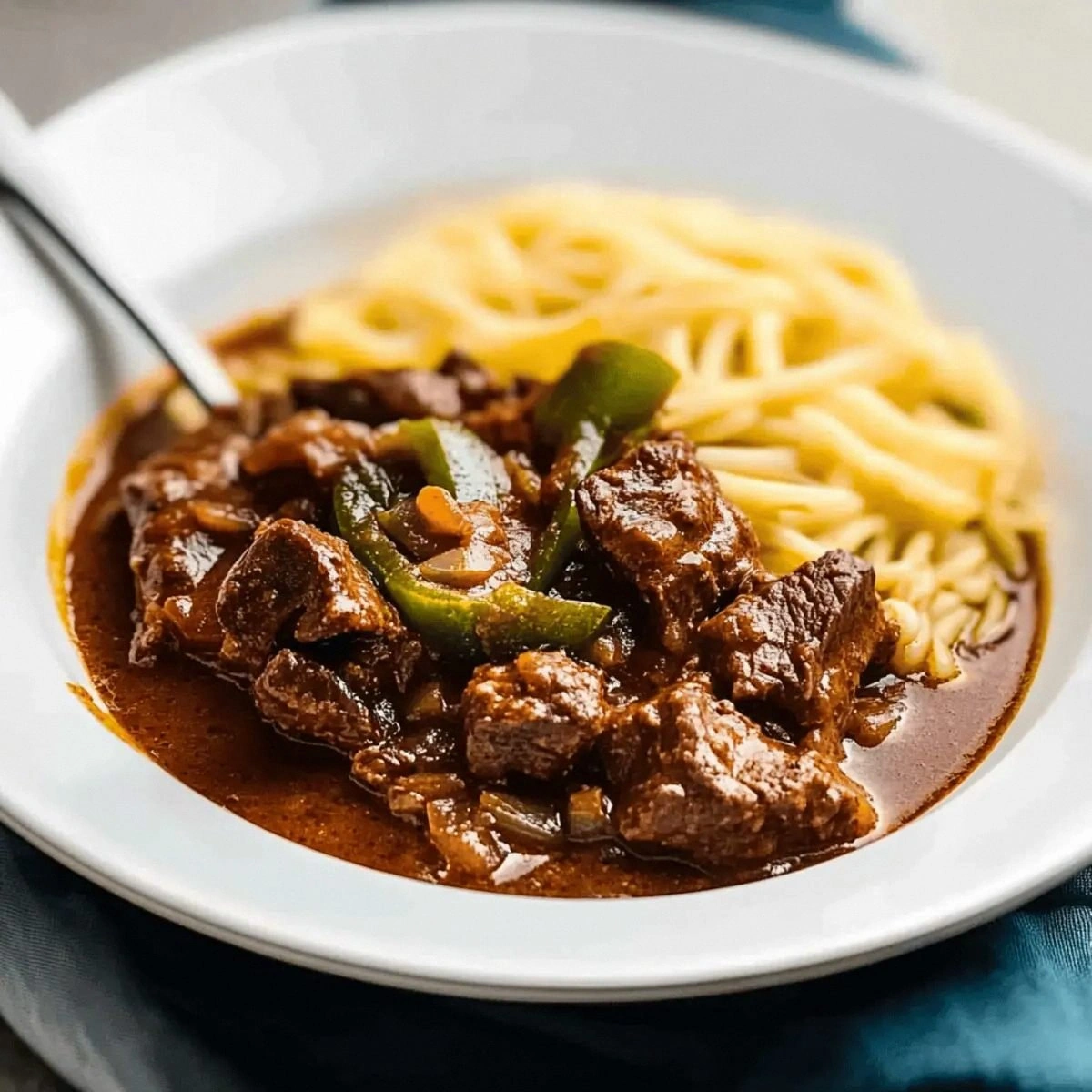
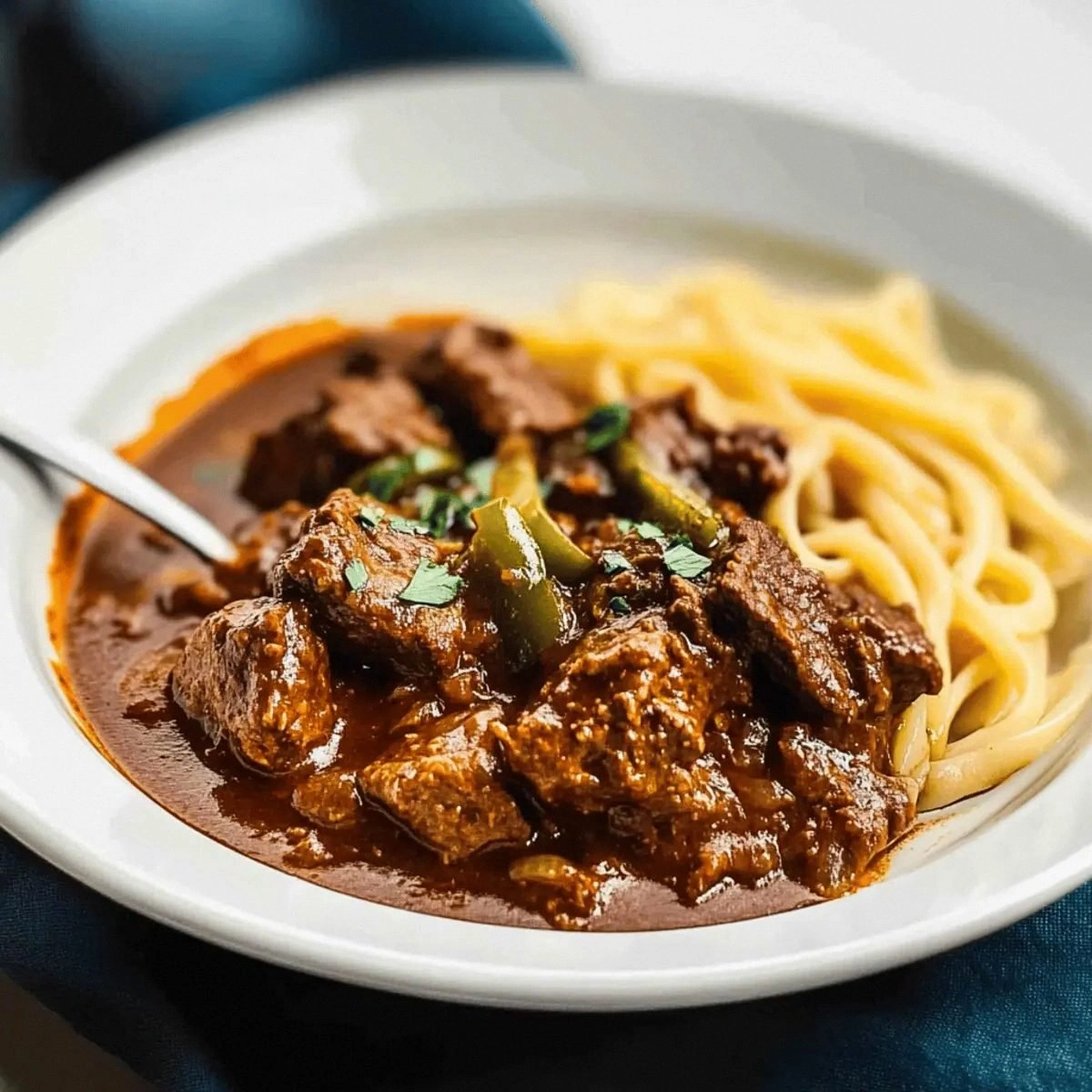
Picture this: the kitchen filled with the earthy perfume of caramelized onions, the subtle smokiness of paprika, and a whisper of red wine that makes the air feel like a cozy tavern in Munich. You hear the gentle bubbling of broth, the occasional pop of peppercorns, and the soft sigh of meat as it finally loosens its grip on the bone. The stew itself glistens, a ruby‑red river of flavor that clings to each chunk of beef like velvet. When you finally scoop a spoonful, the first bite is a symphony of tender meat, sweet tomato, and that unmistakable peppery bite that makes your taste buds do a little dance.
What sets this goulash apart from the sea of recipes that claim authenticity? Most recipes get the spice ratio wrong, leaving you with a dish that tastes more like a generic tomato soup than a hearty German staple. I’ve cracked the code by balancing sweet Hungarian paprika with a hint of caraway and marjoram, and by searing the beef until the edges pull away, creating a flavor foundation that’s richer than a Bavarian beer hall’s best lager. Plus, I’m throwing in a splash of dry red wine that you’ll swear is the secret weapon of every chef who ever earned a Michelin star for a stew.
Okay, ready for the game‑changer? I’m about to walk you through every single step — from the moment you dice the onions to the final garnish of fresh parsley. By the end, you’ll wonder how you ever made goulash any other way, and you’ll have a recipe that can become the centerpiece of family gatherings, game nights, or a quiet dinner for one. Let’s dive in and turn that pot of mediocrity into a masterpiece that will have everyone asking for the recipe.
What Makes This Version Stand Out
- Depth: The combination of sweet Hungarian paprika and earthy caraway creates a flavor depth that feels like a slow‑cooked story told over generations.
- Texture: By searing the beef first, you lock in juices, resulting in meat that falls apart at the fork but still holds its shape.
- Simplicity: Only a handful of pantry staples are needed, making it accessible even if you’re short on exotic spices.
- Uniqueness: The splash of dry red wine adds a subtle acidity that brightens the stew without overwhelming the traditional taste.
- Crowd Reaction: I’ve heard people say, “I could eat this every day,” and then they actually do — twice in one week.
- Ingredient Quality: Using chuck roast ensures a perfect melt‑in‑your‑mouth texture; cheaper cuts just won’t cut it.
- Cooking Method: A two‑stage cooking process (sear then simmer) guarantees both flavor and tenderness.
- Make‑Ahead Potential: This goulash tastes even better the next day, making leftovers a celebrated event.
Inside the Ingredient List
The Flavor Base
Onions (2 medium): Onions are the aromatic backbone of any good stew. They release natural sugars when sautéed, creating that sweet‑savory foundation that makes the broth sing. If you skip them, you’ll lose the subtle caramel notes that balance the paprika’s earthiness. For the best result, choose yellow onions for their natural sweetness, and slice them thin so they melt into the sauce.
Olive Oil (2 tablespoons): A good olive oil provides a clean, fruity start that doesn’t compete with the spices. You can swap it for a neutral oil like grapeseed if you prefer, but don’t use butter – it will burn at the high sear temperature needed for the beef.
Garlic (2 cloves): Garlic adds a pungent kick that rounds out the sweetness of the onions. Crush it lightly before adding so the flavor disperses evenly. If you love garlic, feel free to add an extra clove; just remember the aroma will become more pronounced.
The Texture Crew
Beef Chuck Roast or Stew Beef (2 pounds): Chuck is the gold standard for braising because it has just the right amount of fat and connective tissue that breaks down into gelatin, giving the sauce that luxurious mouthfeel. If you use a leaner cut like sirloin, the goulash will be dry and lack that silky texture. Look for a piece with visible marbling and a deep red color; this is your ticket to a melt‑in‑your‑mouth experience.
Green Pepper (1 medium): The pepper adds a fresh, slightly bitter contrast that cuts through the richness. Dice it into bite‑size pieces so it softens but still retains a faint crunch. If you’re not a fan of green pepper, substitute a yellow bell pepper for a sweeter note.
The Unexpected Star
Tomato (1 cup) & Tomato Paste (2 tablespoons): Fresh tomatoes bring acidity and brightness, while the paste deepens the umami and adds a concentrated sweetness. Skipping either will leave the stew flat. Use ripe, vine‑grown tomatoes for the best flavor, and don’t forget to stir the paste until it darkens slightly — that’s the moment the magic happens.
Dry Red Wine (1 cup): The wine is the secret weapon that lifts the entire dish. It deglazes the pan, dissolves the browned bits, and adds a subtle fruitiness. Choose a dry variety like Cabernet Sauvignon or Merlot; avoid sweet wines, as they will clash with the paprika.
The Final Flourish
Sweet Hungarian Paprika (2 tablespoons): This is the soul of the goulash. Its sweet, smoky flavor is what makes the stew unmistakably German. Use a high‑quality, deep‑red paprika; the cheaper versions can taste bitter. If you love heat, add a pinch of smoked hot paprika, but keep it subtle.
Dried Marjoram (1 teaspoon) & Caraway Seed (1 teaspoon): Marjoram adds a floral note, while caraway contributes an earthy, slightly licorice flavor that is essential for authenticity. Toast the caraway seeds briefly before adding to release their oils.
Beef Broth or Bouillon (4 cups): A rich broth is the liquid canvas for all those flavors. If you use bouillon cubes, dissolve them in hot water first. Homemade broth is ideal, but store‑bought works fine as long as it’s low‑sodium.
Bay Leaf (1 leaf): The bay leaf adds a subtle, herbal depth that rounds out the flavor profile. Remove it before serving; it’s not meant to be eaten.
Fresh Parsley (1/4 cup): The parsley is the final bright garnish that adds a pop of color and a fresh herbaceous lift. Chop it finely and sprinkle it just before serving.
Everything's prepped? Good. Let’s get into the real action…
The Method — Step by Step
- Prep the Beef: Cut the chuck roast into 1½‑inch cubes, pat them dry with paper towels, and season generously with kosher salt and black pepper. The dry surface ensures a perfect sear. Heat 2 tablespoons of olive oil in a heavy Dutch oven over medium‑high heat. When the oil shimmers, add the beef in batches, giving each piece room to brown. That sizzle when it hits the pan? Absolute perfection. Once all the pieces are golden brown, transfer them to a plate and set aside.
- Sauté the Aromatics: In the same pot, add the sliced onions and let them sweat for about 4 minutes, stirring occasionally. When they turn translucent, add the minced garlic and diced green pepper, cooking for another 2 minutes until fragrant. Then, stir in the sweet Hungarian paprika, dried marjoram, and caraway seeds. Toast the spices for 30 seconds — this releases their essential oils and deepens the flavor.
- Deglaze with Wine: Pour the cup of dry red wine into the pot, scraping the browned bits from the bottom with a wooden spoon. Those caramelized remnants are flavor gold. Let the wine reduce by half, which should take about 3–4 minutes. This concentration step is where the stew gets its rich, velvety backbone.
- Build the Stew: Return the seared beef to the pot, then add the diced tomatoes, tomato paste, and the 4 cups of beef broth. Stir everything together, ensuring the meat is fully submerged. Drop in the bay leaf, and bring the mixture to a gentle boil. Once boiling, lower the heat to a simmer, cover the pot, and let it cook for 1½ to 2 hours. The long, slow simmer breaks down the connective tissue, turning tough chunks into buttery morsels.
- Check for Tenderness: After about 90 minutes, poke a piece of beef with a fork. It should slide in with almost no resistance. If it’s still firm, give it another 15‑minute stretch. This is the moment of truth; patience now means melt‑in‑your‑mouth later.
- Season and Finish: Taste the broth and adjust the salt and pepper to your liking. Remember, “to taste” ingredients are a personal invitation, so trust your palate. Stir in the fresh parsley right before serving; the bright green specks are the visual cue that the dish is ready.
- Plate and Serve: Ladle the goulash into deep bowls, making sure each serving gets a generous amount of beef and broth. Serve with a side of buttery noodles, crusty rye bread, or a simple potato dumpling. Picture yourself pulling this out of the pot, the whole kitchen smelling incredible, and the first spoonful delivering a hug that lingers long after the bowl is empty.
That's it — you did it. But hold on, I've got a few more tricks that'll take this to another level…
Insider Tricks for Flawless Results
The Temperature Rule Nobody Follows
Never rush the sear. A proper high‑heat sear creates a Maillard crust that locks in juices. If the pan isn’t hot enough, the beef will steam rather than brown, resulting in a stew that tastes flat. I always wait for the oil to shimmer and then test with a single piece of meat; if it sizzles immediately, you’re good to go.
Why Your Nose Knows Best
Your sense of smell is the secret gauge for flavor development. When the onions turn golden, you’ll smell a sweet, almost caramel scent. When you add the paprika, a warm, smoky aroma should fill the kitchen. If you don’t detect these cues, the spices haven’t fully released their oils, and you should give them a few extra seconds.
The 5‑Minute Rest That Changes Everything
Once the stew is done, remove it from heat and let it sit, covered, for five minutes. This short rest lets the flavors meld, and the broth thickens slightly as the residual heat continues to break down collagen. Skipping this step is like serving a song before the final chord — it feels incomplete.
Don’t Over‑Stir
Stirring too often during the long simmer can break down the meat into mush. Give the pot a gentle stir every 20‑30 minutes, just enough to keep things from sticking. Trust the process; the meat will stay beautifully chunked.
The Secret of Fresh Parsley
Add parsley at the very end, not earlier. The bright green color and fresh flavor fade quickly under heat. If you want an even brighter finish, toss half the parsley in just before serving and reserve the other half for a garnish on top.
Creative Twists and Variations
This recipe is a playground. Here are some of my favorite ways to switch things up:
Smoky Chipotle Goulash
Swap half the sweet paprika for chipotle powder and add a teaspoon of smoked paprika. The result is a subtle heat that pairs beautifully with the beef, perfect for those who love a little smoky kick.
Creamy Mushroom Variation
Add 1 cup of sliced cremini mushrooms after the onions have softened. Finish the stew with a splash of heavy cream for a velvety texture that turns the dish into a luxurious autumn comfort food.
Vegetarian “Beefless” Goulash
Replace the beef with hearty plant‑based cubes (like soy or seitan) and use vegetable broth. The spices remain the same, delivering a satisfying, meat‑free version that still feels robust.
Beer‑Infused Goulash
Swap the dry red wine for a dark German lager. The beer adds a maltiness that complements the paprika, creating a stew that feels like a cozy pub special.
Spicy Sausage Boost
Add sliced bratwurst or kielbasa in the last 30 minutes of simmering. The sausage releases its own juices, enriching the broth and adding a smoky, savory depth.
Storing and Bringing It Back to Life
Fridge Storage
Let the goulash cool to room temperature, then transfer it to an airtight container. It will keep fresh for up to 4 days. When reheating, add a splash of water or broth and gently warm over low heat, stirring occasionally.
Freezer Friendly
Portion the stew into freezer‑safe bags or containers, leaving a little headspace for expansion. It freezes beautifully for up to 3 months. To reheat, thaw overnight in the fridge, then warm on the stove, again adding a tiny splash of water to revive the sauce.
Best Reheating Method
The stovetop is king. Place the goulash in a saucepan, add ¼ cup of water or broth, and heat over medium‑low, stirring gently. This method restores the original consistency without turning the meat rubbery. Microwaving works in a pinch, but expect a slightly uneven texture.