Okay, picture this: I’m standing in my tiny kitchen, a half‑finished batch of pork simmering on the stove, and a rogue pineapple slice decides to launch itself straight onto the floor. The splatter was spectacular, the smell was intoxicating, and I swear I heard the pork sigh in relief. That chaotic moment sparked a daring question—what if I could harness that sweet‑tart burst of pineapple and marry it with the creamy whisper of coconut milk, all while keeping the pork juicy enough to make a grown‑up weep with joy? I dared you to taste this and not go back for seconds, and trust me, the challenge is real.
The first time I tried this combo, the kitchen turned into a tropical rainforest. The sizzling sound of pork hitting the hot pan was like a drumbeat, the aroma of ginger and garlic danced with the caramelized sugar, and the bright yellow of coconut milk swirled like sunrise through the sauce. I could feel the heat radiating from the pot, and the steam that rose was fragrant enough to make my neighbor peek through the window. When I finally plated the dish beside a mound of fluffy coconut rice, the contrast of textures—tender pork, juicy pineapple, and the rice’s soft grain—was a sensory fireworks show.
Most recipes out there either drown the pork in a sugary glaze or under‑season the pineapple, leaving you with a one‑dimensional dish. This version stands out because it balances sweet, salty, and umami with a hint of acidity, and it does so without a mountain of exotic ingredients. The secret? A quick deglaze with a splash of lime juice that lifts the whole sauce, plus a brief high‑heat sear that creates caramelized edges that shatter like thin ice when you bite. I’ll be honest — I ate half the batch before anyone else got to try it, and that’s a testament to how addictive it truly is.
Now, I’m about to walk you through every single step — from picking the perfect pork cut to achieving that glossy, cling‑to‑the‑rice sauce. By the end, you’ll wonder how you ever managed a bland dinner night without this masterpiece. Okay, ready for the game‑changer?
What Makes This Version Stand Out
- Flavor Harmony: The pineapple’s acidity cuts through the richness of coconut milk, while soy and fish sauce add depth that makes every bite sing.
- Texture Contrast: You get caramelized pork edges, juicy pineapple bursts, and rice that’s airy yet slightly sticky—each mouthful is a surprise.
- Simplicity: Only ten pantry staples plus fresh pineapple and coconut milk, so you won’t need a specialty store run.
- Ingredient Quality: Using a well‑marbled pork shoulder and fresh, ripe pineapple makes the difference between “good” and “wow”.
- Crowd Reaction: This dish consistently clears the table faster than a fire alarm—people keep asking for seconds and the recipe.
- Cooking Method: A quick high‑heat sear followed by a gentle simmer locks in juices and builds a sauce that clings perfectly to the rice.
- Make‑Ahead Potential: The pork and sauce improve after a few hours in the fridge, letting flavors meld like a well‑orchestrated symphony.
- Versatility: Swap the pork for chicken or tofu, or turn the rice into quinoa for a gluten‑free spin without losing the magic.
Inside the Ingredient List
The Flavor Base
Soy sauce and fish sauce are the unsung heroes that give this dish its deep, savory backbone. Soy sauce contributes that familiar umami punch, while fish sauce adds a briny depth that’s almost imperceptible until you take a bite. If you skip either, the sauce will taste flat, like a song missing its bass line. For a vegetarian twist, swap fish sauce with a splash of mushroom soy sauce; you’ll still get that earthy nuance.
Fresh ginger and garlic provide the aromatic spark that wakes up your taste buds. Grated ginger releases its oils quickly, delivering a warm bite, while minced garlic adds a sweet, caramelized note as it cooks. If you’ve ever overcooked garlic and ended up with bitterness, you’ll appreciate the tip in the “Insider Tricks” section that saves you from that disaster.
The Texture Crew
Pork shoulder is the star of the show, chosen for its perfect balance of lean meat and fat. The intramuscular fat renders during the sear, creating those coveted crispy edges that shatter like thin ice when you bite. If you’re using pork loin, expect a leaner, drier result—just don’t be surprised if the sauce feels like it’s missing a hug.
Coconut milk brings a silky smoothness that coats the pork like velvet, while also lending a subtle sweetness that pairs with the pineapple. Opt for a full‑fat canned version; the light versions will thin out the sauce and lose that luscious mouthfeel. A quick shake before opening ensures the fat and water are evenly distributed.
The Unexpected Star
Pineapple chunks are the surprise guest that steals the spotlight. Their natural acidity brightens the sauce, while their juice caramelizes during the sauté, adding a buttery sweetness that’s impossible to ignore. Choose a ripe, fragrant pineapple; canned pieces are fine in a pinch, but they lack the juicy burst that fresh fruit provides.
Brown sugar is the sweetener that ties everything together without making the dish cloying. It caramelizes with the pork, creating those gorgeous brown speckles that signal flavor depth. If you’re watching sugar, swap half the brown sugar for a drizzle of honey; the flavor profile shifts slightly but remains delicious.
The Final Flourish
Jasmine rice is the perfect canvas—its fragrant grains absorb the sauce while staying distinct, preventing a mushy mess. Rinse the rice until the water runs clear to remove excess starch; this step guarantees fluffy, separate grains. If you prefer a nuttier texture, try basmati or even black rice for a striking visual contrast.
A splash of lime juice at the end awakens the entire dish, adding a bright, citrusy pop that balances the richness. Cilantro adds a fresh, herbaceous finish, while a pinch of chili flakes can awaken the palate if you like a gentle heat. Remember, a little goes a long way—taste before you add more.
Everything’s prepped? Good. Let’s get into the real action…
The Method — Step by Step
-
Gather all your ingredients and pat the pork cubes dry with paper towels. This simple act prevents steam from forming, which would sabotage the sear we’re after. Heat a large skillet over medium‑high heat and add the vegetable oil; when the oil shimmers, you know it’s ready. Toss the pork in a single layer, letting it sizzle without crowding—if the pan looks too busy, do it in batches.
Kitchen Hack: Sprinkle a pinch of salt on the pork just before it hits the pan; it helps draw out moisture for an even crisper crust. -
Sear the pork for about 2‑3 minutes per side, watching the edges turn a deep mahogany color. You’ll hear a satisfying crackle—that’s the sound of flavor forming. Once browned, remove the pork and set it aside; the pan will now hold a glorious fond of browned bits that will become the sauce’s backbone.
-
In the same skillet, lower the heat to medium and add the minced garlic, grated ginger, and a splash of lime juice. Stir constantly for about 30 seconds; you’ll notice the aroma swelling, a fragrant signal that the base is alive. Add the brown sugar and let it dissolve, turning the mixture a glossy amber.
-
Now pour in the coconut milk, soy sauce, and fish sauce, scraping the browned bits from the bottom of the pan. This deglazing step is where the magic happens—the fond dissolves, creating a sauce that’s both silky and richly flavored. Bring the mixture to a gentle simmer; you should see tiny bubbles dancing across the surface.
-
Return the pork to the skillet, along with any juices that have collected on the plate. Add the pineapple chunks, spreading them evenly. Let everything simmer together for 12‑15 minutes, uncovered, until the pork is tender and the sauce has thickened enough to coat the back of a spoon.
Watch Out: If the sauce reduces too quickly, it can become overly salty; add a splash of water or extra coconut milk to rescue it. -
While the pork simmers, rinse the jasmine rice under cold water until the water runs clear. Transfer it to a saucepan, add the measured water, and bring to a boil. Once boiling, lower the heat to a gentle simmer, cover, and let it cook for 15 minutes. Resist the urge to lift the lid—steam is the secret to fluffy grains.
-
When the rice is done, fluff it with a fork and stir in a tablespoon of coconut milk for extra silkiness. This step isn’t mandatory, but it adds a subtle richness that ties the whole plate together. Keep the rice warm, covered, while you finish the pork.
-
Taste the pork sauce and adjust seasoning with salt, pepper, or a touch more lime juice if you crave brightness. Sprinkle the chopped cilantro over the top, and give the dish a final gentle stir to distribute the herbs evenly.
-
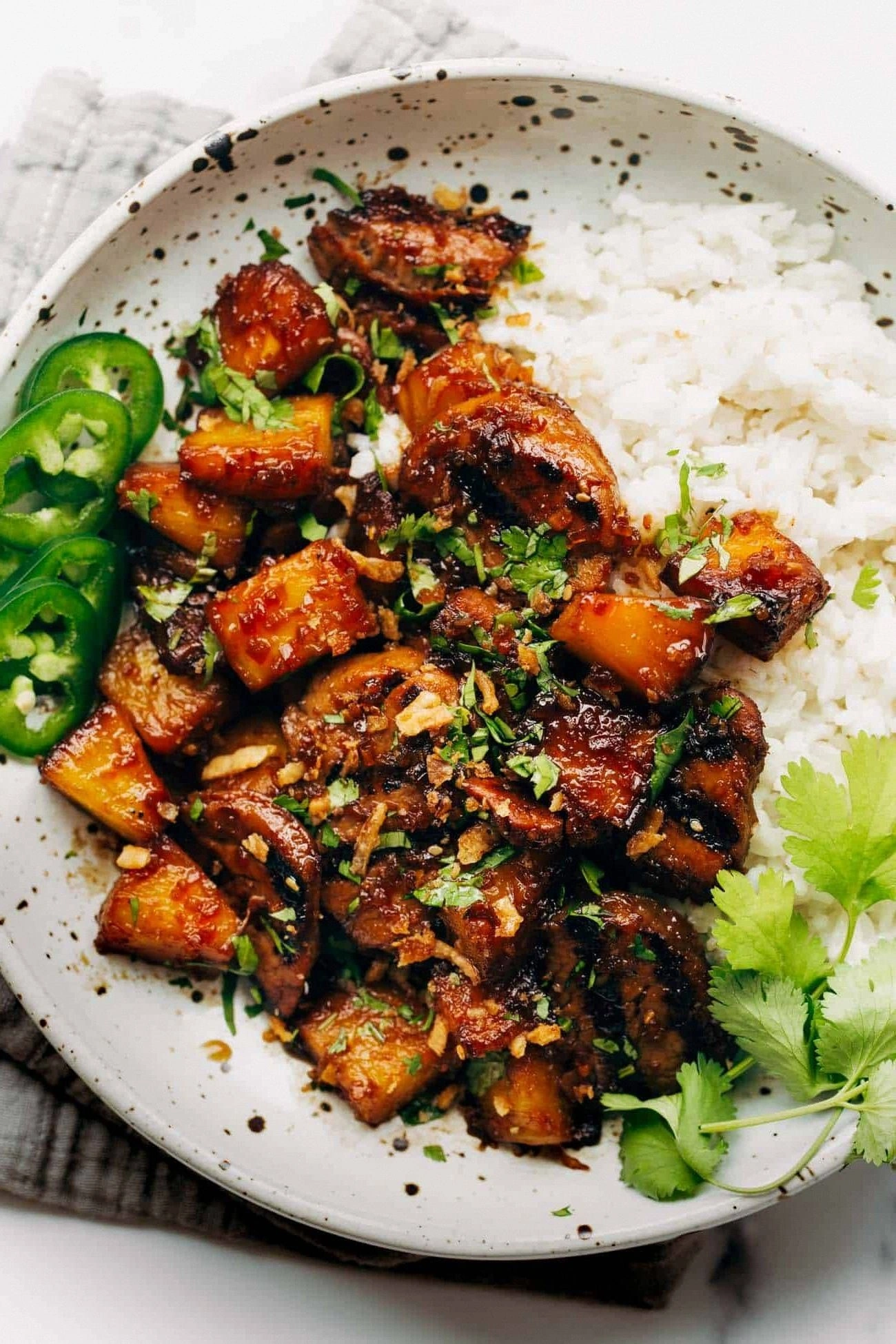
Plate a generous mound of coconut rice, spoon the pineapple‑pork mixture over it, and garnish with lime wedges and an optional pinch of chili flakes for a hint of heat. That sizzle when it hits the plate? Absolute perfection. That glossy sheen? Pure magic. That first bite? A symphony of sweet, salty, and savory that will make you swear you’ve discovered a new favorite.
That’s it — you did it. But hold on, I’ve got a few more tricks that’ll take this to another level…
Insider Tricks for Flawless Results
The Temperature Rule Nobody Follows
Never let the pan get too hot before the pork lands in it; a medium‑high setting is ideal. If the heat spikes, the exterior will burn before the interior cooks through, leaving you with a crunchy shell and a raw center. I once tried a roaring flame and ended up with pork that tasted like charcoal—lesson learned. Keep a close eye on the thermometer, if you have one, and aim for a surface temperature of around 375°F (190°C) for that perfect sear.
Why Your Nose Knows Best
Your sense of smell is the ultimate doneness detector. When the sauce begins to emit a fragrant, slightly caramelized scent, you’re nearing the perfect thickness. If it starts smelling burnt, pull the pan off the heat immediately and add a splash of water. Trusting your nose saves you from a ruined batch and makes the cooking experience more intuitive.
The 5‑Minute Rest That Changes Everything
After simmering, remove the skillet from the heat and let the pork rest for five minutes, loosely covered with foil. This short pause lets the juices redistribute, preventing a dry bite. A friend tried to skip this step once—she ended up with pork that tasted like it was missing its soul. So, set a timer and let the flavors settle before plating.
Coconut Milk Integration Mastery
Stir the coconut milk in gradually rather than dumping it all at once. This avoids curdling and ensures a velvety texture. If you notice the sauce separating, whisk in a teaspoon of cornstarch dissolved in cold water; it will bring the sauce back together without altering the flavor.
The Citrus Finish
Add the final squeeze of lime juice right at the end, not during cooking. The acid’s bright notes evaporate with heat, so adding it fresh preserves that zing that lifts the entire dish. A quick taste test right before serving will tell you if you need a tad more lime or perhaps a pinch more salt.
Creative Twists and Variations
This recipe is a playground. Here are some of my favorite ways to switch things up:
Mango‑Mild Curry Remix
Swap half the pineapple for ripe mango and add a tablespoon of mild curry powder to the sauce. The mango brings a buttery sweetness, while the curry adds a warm, aromatic depth that pairs beautifully with coconut milk. Perfect for those who love a subtle Indian twist.
Spicy Sriracha Surge
Stir in two teaspoons of sriracha and a pinch of smoked paprika during the simmer stage. The heat from the sriracha elevates the dish, and the smoked paprika adds a smoky undertone that mimics a grill without the fire. Serve with extra lime wedges for balance.
Thai Basil Bliss
Replace cilantro with a handful of fresh Thai basil leaves added at the very end. Basil’s peppery, anise‑like flavor transforms the dish into a Thai‑inspired delight, especially when paired with a drizzle of fish sauce and a splash of extra coconut milk.
Crispy Coconut Crust
Before searing, toss the pork cubes in a mixture of shredded coconut and panko breadcrumbs. This creates a crunchy, toasted exterior that adds texture contrast to the tender interior. The coconut crust also reinforces the tropical theme.
Vegan Power‑Up
Swap pork for firm tofu cubes, press them to remove excess water, and follow the same searing technique using a high‑smoke‑point oil. The tofu will absorb the sauce beautifully, and the pineapple‑coconut combination remains the star. Pair with quinoa for a protein‑packed vegan bowl.
Storing and Bringing It Back to Life
Fridge Storage
Allow the pork and sauce to cool to room temperature, then transfer to an airtight container. It will keep for up to 4 days, and the flavors actually deepen as the sauce mingles with the pork. When reheating, add a tablespoon of water or coconut milk to revive the sauce’s silkiness.
Freezer Friendly
Portion the cooked pork and sauce into freezer‑safe bags, removing as much air as possible. Freeze for up to 3 months. To thaw, move the bag to the fridge overnight, then reheat gently on the stovetop, stirring in a splash of coconut milk to restore creaminess.
Best Reheating Method
For the rice, sprinkle a few drops of water over the grains, cover with a damp paper towel, and microwave for 1‑2 minutes, fluffing halfway. For the pork, reheat in a skillet over low heat, adding a splash of water or broth to prevent drying. A quick stir and a taste test will confirm everything is hot and harmonious.