I was halfway through a midnight snack attack, eyes flicking between the glowing screen and the empty pantry, when my phone buzzed with a text from a friend: “Dude, I’ve been craving taco pasta for days. Do you have a recipe?” The moment felt like a culinary cliffhanger. I stared at the flickering fridge lights, realizing I had just the ingredients for an instant fix—ground beef, a packet of taco seasoning, pasta, and a can of diced tomatoes. The kitchen smelled of cumin and garlic, the air thick with anticipation. I laughed, because if I didn’t whip something up now, the craving would turn into a full‑blown disaster.
The scene was almost cinematic: a single burner on medium‑high, the sizzle of beef hitting hot oil, a splash of broth that turned into steam, and the sweet aroma of roasted bell pepper drifting up the hallway. My fingers danced over the stove, feeling the heat of the skillet, hearing the hiss of onions releasing their sweetness, and tasting a hint of smoky paprika that promised depth. The texture of the pasta, still a bit al dente, was a counterpoint to the creamy cheese that would soon coat it. I could almost taste the crunch of fresh jalapeños, the creamy melt of cheddar, and the comforting hug of beans and corn. The kitchen felt alive, the air buzzing with the promise of flavor.
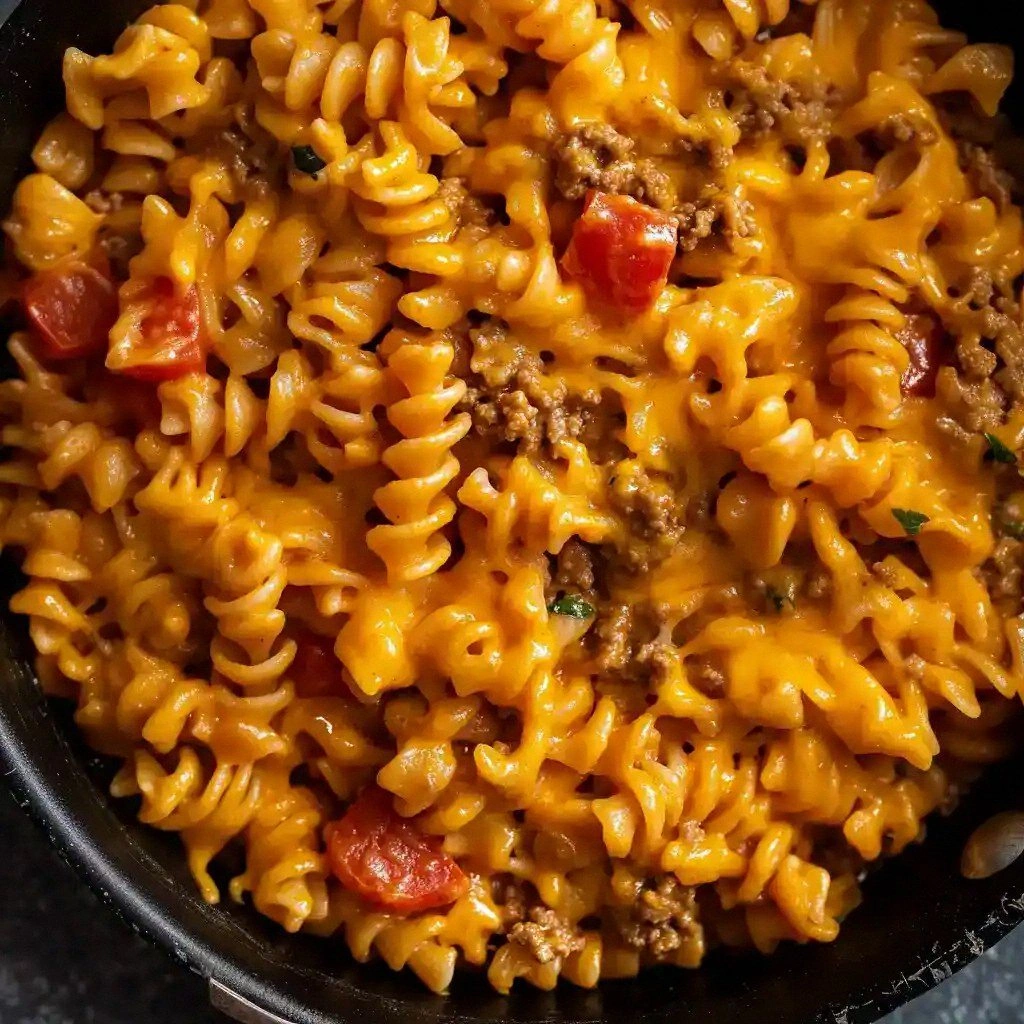
What makes this version stand out is that it’s not just a mash‑up of taco and pasta; it’s a carefully orchestrated one‑pot symphony. The sauce thickens into a velvety coating that clings to every noodle, the beef remains juicy, and the cheese melts into a golden blanket without becoming rubbery. The recipe eliminates the clutter of separate pans, making cleanup a breeze. It’s a crowd‑pleaser that can be plated in minutes, and it delivers a depth of flavor that most quick‑fix meals lack. The result is a dish that feels like a gourmet dinner while still being a comfort‑food classic.
And there’s a twist you won’t expect—using Rotel instead of plain tomatoes adds a subtle heat that dances with the jalapeños. Picture yourself pulling this out of the skillet, the whole kitchen smelling incredible, and your family begging for seconds. I dare you to taste this and not go back for seconds. Let me walk you through every single step—by the end, you’ll wonder how you ever made it any other way.
What Makes This Version Stand Out
- Taste: The combination of taco seasoning, diced tomatoes, and jalapeños creates a bold, layered flavor profile that feels both familiar and exciting. The cheese melts into a silky coating that balances the heat.
- Texture: The pasta remains al dente, while the beef stays tender and the sauce forms a luscious glaze that clings to each noodle.
- Simplicity: One skillet, one pot—no extra pans, no complicated steps. A single burner does everything, making it perfect for busy weeknights.
- Uniqueness: The use of Rotel or diced tomatoes adds a smoky undertone that elevates the dish beyond ordinary taco pasta.
- Crowd Reaction: Friends rave about the gooey cheese and the kick of jalapeños, while kids love the familiar taco flavor in a new form.
- Ingredient Quality: Fresh bell pepper and high‑quality cheese make the dish feel premium, even though it’s a quick fix.
- Cooking Method: The one‑pot technique locks in moisture and flavor, creating a cohesive dish that’s easy to serve.
- Make‑Ahead Potential: The dish can be prepared in advance and reheated without losing its texture or taste.
Alright, let's break down exactly what goes into this masterpiece...
Inside the Ingredient List
The Flavor Base
Ground beef is the heart of this dish, offering a robust protein that absorbs the taco seasoning’s spices. When browned, it releases fat that forms a savory base for the sauce. If you skip the beef, the dish turns into a bland pasta, lacking depth. For a leaner option, choose 90% lean or substitute ground turkey, but be ready for a slightly drier texture.
The taco seasoning packet is the secret sauce that turns ordinary beef into a fiesta of flavors. It’s a blend of cumin, chili powder, garlic, and oregano, giving the dish its signature Mexican vibe. If you’re watching sodium, opt for a low‑sodium version or make your own blend. The seasoning also adds a subtle sweetness that balances the acidity of the tomatoes.
The Texture Crew
Pasta is the vehicle that carries the sauce and textures together. Use short shapes like elbows or shells to hold onto the cheesy coating. If you prefer a healthier option, try whole wheat or legume‑based pasta, which adds fiber and protein. Avoid overcooking; the noodles should be al dente to prevent mushiness.
Beef broth is the liquid that creates the sauce’s body. It dissolves the seasoning and helps the pasta cook evenly. A low‑sodium broth keeps the dish from becoming too salty. If you want a richer flavor, use chicken or vegetable broth instead.
The Unexpected Star
Rotel or diced tomatoes bring juiciness and a hint of heat that complements the jalapeños. The tomatoes’ acidity cuts through the richness of the cheese and beef, creating a balanced bite. If you’re craving a sweeter profile, choose canned diced tomatoes without added spices. The tomatoes also add a splash of color that makes the dish visually appealing.
The Final Flourish
Canned corn provides a sweet pop that contrasts the savory elements, while black beans add protein and a creamy texture. Bell pepper adds crunch and a fresh, bright flavor that brightens the dish. Sliced jalapeños are the heat factor; they give a punch that keeps the dish exciting. If you prefer a milder version, reduce the jalapeños or use green chilies.
Everything's prepped? Good. Let's get into the real action...
The Method — Step by Step
- Heat a large skillet over medium‑high heat. Add a splash of oil and let it shimmer. Once the oil is hot, add the ground beef. Cook until browned, breaking it up with a spoon. The beef should sizzle, releasing its fat and creating a flavorful base. When it’s no longer pink, drain excess grease if you like a leaner dish.
- Add the diced bell pepper and jalapeños to the skillet. Stir and let them soften for about two minutes. The pepper’s bright color will pop against the dark meat, and the jalapeños will start to release their heat. Keep an eye on the pepper; it should remain slightly crisp for texture contrast.
- Sprinkle the taco seasoning over the meat mixture. Toss to coat evenly, letting the spices toast for a minute. The aroma of cumin and chili will fill the kitchen, signaling that flavor is building. If you prefer a deeper spice hit, add a pinch of smoked paprika.
- Pour in the can of diced tomatoes or Rotel, and then add the beef broth. Stir to combine, making sure the seasoning dissolves. Bring the mixture to a gentle simmer; the liquid should bubble softly, not boil aggressively. The tomatoes will break down, forming a sauce that coats the pasta.
- Add the pasta to the skillet. Stir to ensure each noodle is submerged in the sauce. Reduce the heat to low, cover the skillet with a lid, and let the pasta cook for about 10 minutes, stirring occasionally. The pasta should absorb the liquid and reach al dente texture.
- Halfway through the pasta cooking, stir in the canned corn and black beans. The beans will warm through, while the corn adds a sweet crunch. This step ensures even distribution of the protein and vegetable components. Keep the lid on to trap steam and keep the pasta moist.
- Once the pasta is al dente, sprinkle the shredded cheese over the top. Cover the skillet again and let the cheese melt for two minutes. The cheese should form a creamy blanket that coats the noodles. Watch for the edges; when they pull away, the dish is ready.
- Taste the sauce. If it’s too thick, add a splash of broth or milk to loosen it. If it’s too thin, let it simmer uncovered for a few minutes. The goal is a velvety consistency that clings to each noodle without being greasy.
- Serve hot, garnished with extra jalapeños or chopped cilantro if desired. The dish looks vibrant with green accents and a golden cheese crust. Plate it into bowls or onto a large platter for a family‑style presentation.
- Enjoy the instant gratification of a hearty, cheesy taco pasta that feels like a gourmet dinner. Pair it with a simple side salad or a warm tortilla for a complete meal.
That's it — you did it. But hold on, I've got a few more tricks that'll take this to another level...
Insider Tricks for Flawless Results
The Temperature Rule Nobody Follows
Keep the heat at medium‑low when simmering the pasta. A rolling boil can cause the pasta to stick together and break apart. The gentle simmer allows the pasta to absorb liquid evenly, resulting in a tender bite. If you notice the liquid evaporating too quickly, add a splash of broth or water.
Why Your Nose Knows Best
Before adding the cheese, sniff the sauce. A good, slightly acidic scent indicates the tomatoes have broken down properly. If it smells flat, let it simmer a few more minutes to develop depth. Your nose is a reliable indicator of flavor maturity.
The 5-Minute Rest That Changes Everything
After removing the skillet from heat, let the dish rest for five minutes. This allows the flavors to meld and the cheese to settle into a cohesive blanket. The rest period also lets the pasta absorb any remaining liquid, preventing a dry finish.
The Cheesy Curtain Call
If you prefer a stronger cheese flavor, sprinkle an extra half cup of cheddar before the final melt. The extra cheese will create a gooey, golden crust that’s impossible to resist. Just be mindful of the fat content; a little goes a long way.
The Fresh Herb Finale
Add chopped cilantro or parsley right before serving. The fresh herbs brighten the dish, cutting through the richness and adding a burst of color. A squeeze of lime over the top can also elevate the flavors, adding a zesty finish.
Creative Twists and Variations
This recipe is a playground. Here are some of my favorite ways to switch things up:
Mexican Street‑Food Fusion
Swap the pasta for rice or quinoa, and add a spoonful of refried beans for a street‑food vibe. The result is a hearty, filling bowl that still delivers the taco punch. Great for a low‑carb alternative.
Cheesy Veggie Powerhouse
Replace the beef with sautéed spinach and mushrooms. Keep the beans and corn for protein and fiber. The dish becomes a vegetarian delight that still packs a flavorful kick.
Spicy Cajun Kick
Add a tablespoon of Cajun seasoning to the beef mixture. The smoky heat pairs well with the jalapeños, creating a new flavor profile. Serve with a side of cornbread for a Southern twist.
Pasta Primavera Twist
Use a mix of zucchini, cherry tomatoes, and asparagus. Reduce the taco seasoning to half, and finish with fresh basil. This version is lighter and perfect for spring.
Breakfast Taco Pasta
Add a splash of milk and scramble in a couple of eggs after the cheese melts. The eggs soak into the pasta, creating a creamy, breakfast‑style dish. Top with a dollop of sour cream.
Low‑Calorie Version
Use lean ground turkey or ground chicken, and opt for low‑fat cheese. Replace the pasta with spiralized zucchini noodles. The dish stays flavorful while cutting calories.
Storing and Bringing It Back to Life
Fridge Storage
Cool the dish to room temperature before refrigerating in an airtight container. Store for up to 3 days. When ready to eat, reheat in a skillet over medium heat, stirring occasionally, until warmed through.
Freezer Friendly
Pack the dish in a freezer‑safe container, leaving a small space for expansion. Freeze for up to 2 months. Thaw overnight in the fridge, then reheat as described above. The texture remains firm, and the sauce stays creamy.
Best Reheating Method
Reheat over low heat, adding a splash of water or broth to keep the sauce moist. Stir until the cheese is fully melted and the pasta is heated through. A quick microwave method works if you’re in a hurry, but the skillet preserves the flavor better.
Add a tiny splash of water before reheating — it steams back to perfection and keeps the pasta from drying out.