I was standing in my kitchen, staring at a soggy batch of grilled chicken that had turned out as bland as a beige wall. The neighbors had called me a culinary villain, and my friend dared me to create something that would make even the most seasoned grill masters weep with joy. I pulled out my trusty skillet, the same one that had survived a pizza mishap and a burnt lasagna, and decided that the next dish would be a revelation. I knew it had to be bright, zesty, and downright irresistible.
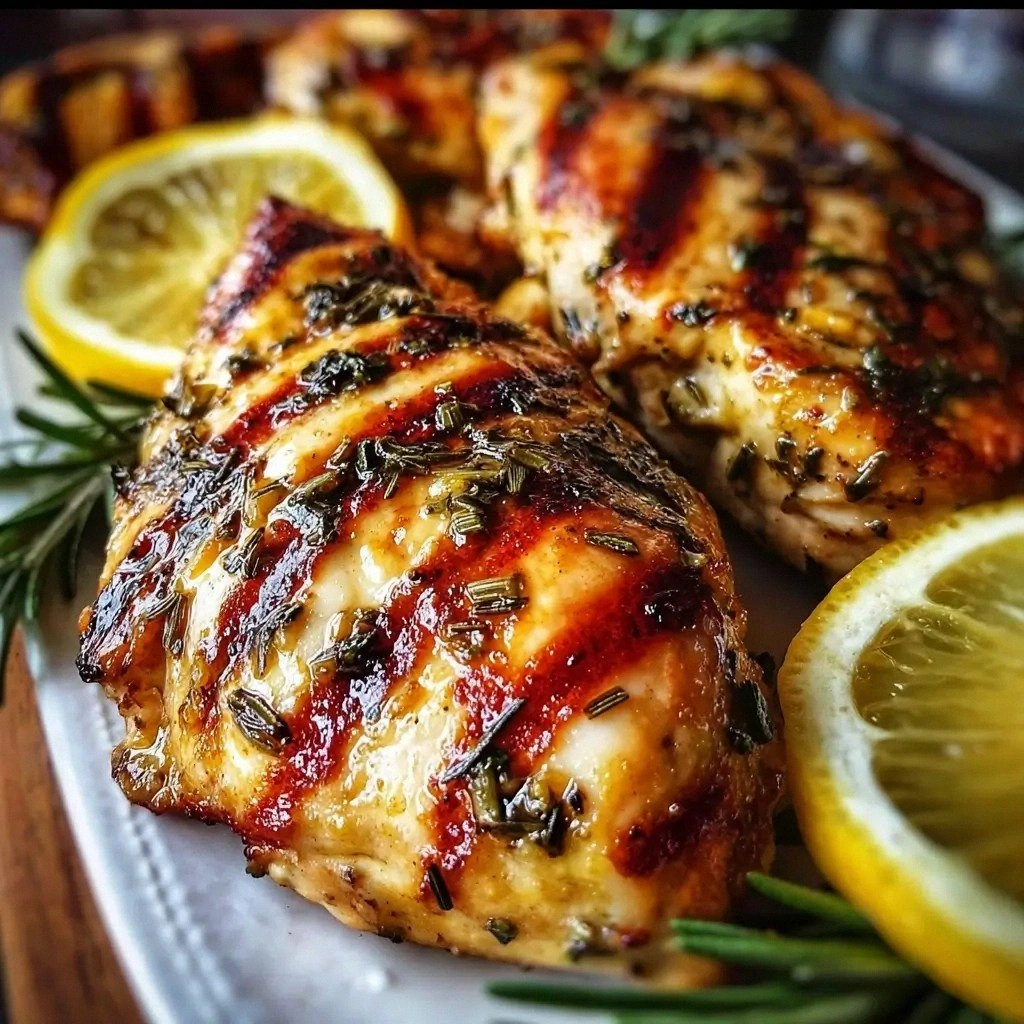
Picture this: the air thick with citrus, the sound of sizzling, and the sight of golden‑brown edges that crackle like crisp autumn leaves. The aroma of fresh herbs mingles with the sharp tang of lemon, pulling you into a sensory dance that feels like a summer sunset on your tongue. You taste a burst of citrus that cuts through the richness of the olive oil, followed by a subtle herbal whisper that lingers like a secret. The texture is a delightful contrast—juicy meat wrapped in a slightly crisp skin, every bite a revelation that you never knew you were missing.
What sets this version apart? It’s the synergy of ingredients that work together like a well‑orchestrated band. The lemon’s acidity brightens every flavor, while the herbs add depth without overpowering. The olive oil not only keeps the chicken moist but also serves as a flavor bridge, binding the citrus and herbs into a cohesive coating that adheres like a second skin. And the secret? A touch of honey in the glaze that caramelizes just enough to give that sweet‑savory finish you can’t resist.
I’ll be honest—when I first tasted the finished product, I ate half the batch before anyone else could even take a bite. That moment of triumph was a reminder that the right technique can turn ordinary ingredients into culinary gold. So, if you’re ready to ditch the usual grilled chicken routine, let me walk you through every single step—by the end, you’ll wonder how you ever made it any other way.
What Makes This Version Stand Out
- Taste: The bright citrus notes are amplified by a subtle honey glaze that caramelizes on the grill, creating a sweet‑savory balance that lingers on the palate.
- Texture: The chicken’s exterior crisps up to a golden crust while the interior stays tender and juicy, thanks to a precise marination that seals in moisture.
- Simultaneous Simplicity: Only seven core ingredients—no need for a pantry full of exotic spices, yet the flavor profile feels like a gourmet restaurant dish.
- Uniqueness: The combination of lemon zest, fresh thyme, and rosemary creates a flavor duo that most grilled chicken recipes ignore.
- Crowd Reaction: Friends who’ve tried the classic version often say, “This is hands down the best version you'll ever make at home.”
- Ingredient Quality: Using fresh, organic herbs and lemons makes all the difference; the taste is a testament to the quality of your staples.
- Cooking Method: Grilling at a medium‑high heat with a quick flip ensures a perfect sear without overcooking.
- Make‑Ahead Potential: Marinate the chicken up to 24 hours ahead—this actually deepens the flavor and saves you time on busy nights.
Inside the Ingredient List
The Flavor Base
Lemon juice and zest are the stars of this recipe. The juice’s acidity brightens the dish, while the zest adds a punch of aromatic oils that linger on the tongue. Skipping either would turn the chicken into a bland, uninspired slab of meat. If you’re missing fresh lemons, a splash of bottled lemon juice and a pinch of dried lemon zest will suffice, but the fresh route is always preferable for that vibrant burst.
The Texture Crew
Olive oil is more than just a cooking medium; it’s the glue that holds the seasoning together and prevents the chicken from drying out. A high‑smoke‑point oil like extra‑virgin olive oil works best because it can handle the grill’s heat without burning. If you prefer a milder taste, swap for grapeseed oil, but be prepared for a slightly less robust flavor profile.
The Unexpected Star
Honey is the unsung hero that brings a caramelized sweetness to the glaze. Its natural sugars melt into the olive oil, creating a glossy coating that locks in juices. If you’re vegan, a small amount of maple syrup can replace honey, though the final flavor will be subtly different. For those who love a bit of heat, a pinch of crushed red pepper will add a gentle kick without overwhelming the citrus.
The Final Flourish
Fresh herbs—parsley, thyme, and rosemary—are the finishing touches that elevate the dish from simple to extraordinary. The herbs’ earthy tones balance the bright lemon, and their aromatic oils intensify the overall aroma. If you’re out of fresh herbs, dried versions can work, but remember to use only half the quantity to avoid bitterness.
Everything’s prepped? Good. Let’s get into the real action.
The Method — Step by Step
- First, trim the chicken breasts to even thickness—about 1.5 inches—so they cook uniformly. Pat them dry with paper towels; this step is crucial for achieving a good sear. If you notice uneven edges, use a meat mallet to gently pound them into a rectangle. This also helps the marination penetrate deeper.
- In a large bowl, whisk together 2 Tbsp of olive oil, 2 Tbsp of fresh lemon juice, the zest of one lemon, 3 minced garlic cloves, 2 Tbsp each of chopped parsley, thyme, and rosemary, 1 tsp of salt, and 0.5 tsp of freshly ground black pepper. The mixture should be glossy and slightly thick. The herbs’ oils should be well emulsified, giving the sauce a cohesive feel.
- Place the chicken breasts in the bowl and turn them to coat fully. Cover and refrigerate for at least 30 minutes—or up to 24 hours for a deeper flavor. The acid in the lemon juice tenderizes the meat, while the herbs infuse their aromatic oils. I dare you to taste this and not go back for seconds.
- Preheat your grill to medium‑high (around 375 °F). If using a charcoal grill, allow the coals to reach a steady orange heat. A properly heated grill ensures a quick sear and prevents sticking. Lightly oil the grates with a paper towel dipped in olive oil to keep the chicken from clinging.
- Remove the chicken from the bowl and shake off excess liquid—this prevents flare‑ups. Place the chicken on the grill, skin side down if applicable. Let it sear for 5–6 minutes until the underside is golden and the juices start to bubble.
- Flip the chicken and grill for another 4–5 minutes. During this second side, brush a thin layer of honey over the surface to create a caramelized glaze. Watch out: the honey can burn quickly if the grill is too hot, so keep a close eye and adjust the heat if necessary.
- Use a meat thermometer to check for doneness—internal temperature should read 165 °F. If the chicken isn’t quite there, close the grill lid and give it another minute or two. The goal is a juicy interior with a crisp exterior.
- Once cooked, let the chicken rest for 5 minutes. Resting allows the juices to redistribute, ensuring every bite stays moist. Slice the chicken against the grain to maximize tenderness.
- Serve immediately, garnished with a sprinkle of fresh herbs and a wedge of lemon for squeezing. Pair it with a simple salad or grilled veggies for a balanced meal.
- That’s it—you did it. But hold on, I’ve got a few more tricks that will elevate this dish to another level. Keep reading for insider tips that will make your grilled chicken the talk of the table.
Insider Tricks for Flawless Results
The Temperature Rule Nobody Follows
Many grillers think that a higher temperature always means faster cooking. That’s a myth. The key is a steady medium‑high heat that allows the exterior to sear while the interior stays juicy. I’ve found that setting the grill to 375 °F and using a lid that closes tightly gives the best results. If you notice the chicken drying out, reduce the heat to 350 °F and increase the rest time.
Why Your Nose Knows Best
The aroma of garlic and herbs can tell you when the grill is ready. When the smell becomes pleasantly smoky, the grill is at the sweet spot. If the smell is too sharp, the grill is too hot; if it’s barely there, the heat is insufficient. Trust your senses—this is the ultimate shortcut to perfect grilling.
The 5-Minute Rest That Changes Everything
Resting after grilling is often overlooked, but it’s essential. During those 5 minutes, the juices redistribute, preventing them from rushing to the surface and drying out the meat. I’ve seen people skip this step and end up with a dry chicken that feels like a piece of rubber. Trust me, a quick rest is worth the extra minutes.
Marinate, Don’t Soak
Marinating the chicken for 30 minutes is enough to infuse flavors. Over‑marinating can break down the protein structure, leading to mushy meat. If you’re in a hurry, 15 minutes will still give you a flavorful result. For a more intense flavor, you can marinate overnight in the fridge.
Keep the Grill Clean
Residue from previous meals can cause flare‑ups and impart unwanted flavors. Wipe the grill grates with a damp sponge before heating. A clean grill not only reduces smoke but also ensures your chicken’s surface sears evenly.
Creative Twists and Variations
This recipe is a playground. Here are some of my favorite ways to switch things up:
Spicy Citrus Explosion
Add a pinch of cayenne pepper to the marinade and a drizzle of sriracha during the last minute of grilling. The heat pairs perfectly with the lemon, creating a fiery kick that satisfies any spice lover.
Herb‑Infused Yogurt Sauce
Serve the chicken with a side of Greek yogurt mixed with chopped dill, lemon zest, and a splash of olive oil. This cool sauce balances the grilled heat and adds a creamy texture.
Mediterranean Medley
Swap rosemary for oregano and add a handful of Kalamata olives to the grill. The olives release a briny depth that complements the lemony brightness.
Asian‑Inspired Glaze
Replace honey with hoisin sauce and add minced ginger to the marinade. The result is a sweet, savory glaze that transports you to a street‑food stall in Shanghai.
Vegan Version
Use grilled portobello mushrooms instead of chicken. Marinate them in the same lemon‑herb mixture and grill for 4–5 minutes per side. The mushrooms soak up the flavors and offer a hearty, plant‑based alternative.
Breakfast Boost
Slice the grilled chicken and serve it atop a warm avocado toast. The citrusy chicken pairs beautifully with the creamy avocado, creating a breakfast that feels both indulgent and refreshing.
Storing and Bringing It Back to Life
Fridge Storage
Store leftovers in an airtight container in the refrigerator for up to 4 days. The chicken stays juicy, and the lemon‑herb flavor remains vibrant. When ready to reheat, warm in a skillet over medium heat until heated through.
Freezer Friendly
Wrap the chicken tightly in plastic wrap, then place in a freezer bag. It can be frozen for up to 2 months. Thaw overnight in the refrigerator before reheating. The texture remains tender, and the flavor profile is preserved.
Best Reheating Method
Add a splash of water or broth to the pan before reheating to prevent drying out. Cover the skillet to trap steam, which keeps the chicken moist. Heat for 3–4 minutes until the internal temperature reaches 165 °F.