Picture this: the kitchen was a battlefield, flour dusting the countertops like snow, a pot of sauce bubbling over with the scent of tomatoes, and a sudden craving for something warm, garlicky, and utterly irresistible. I stared at the empty fridge, then at my phone scrolling through endless “garlic knots” recipes, each promising the same bland, doughy outcome. I knew I had to rewrite the rulebook. I was about to create a garlic knot that would make your taste buds do backflips and your friends line up for seconds after seconds. This isn’t just another kitchen experiment; it’s the culmination of late‑night snack sessions, a pinch of culinary curiosity, and a stubborn refusal to settle for mediocre bread.
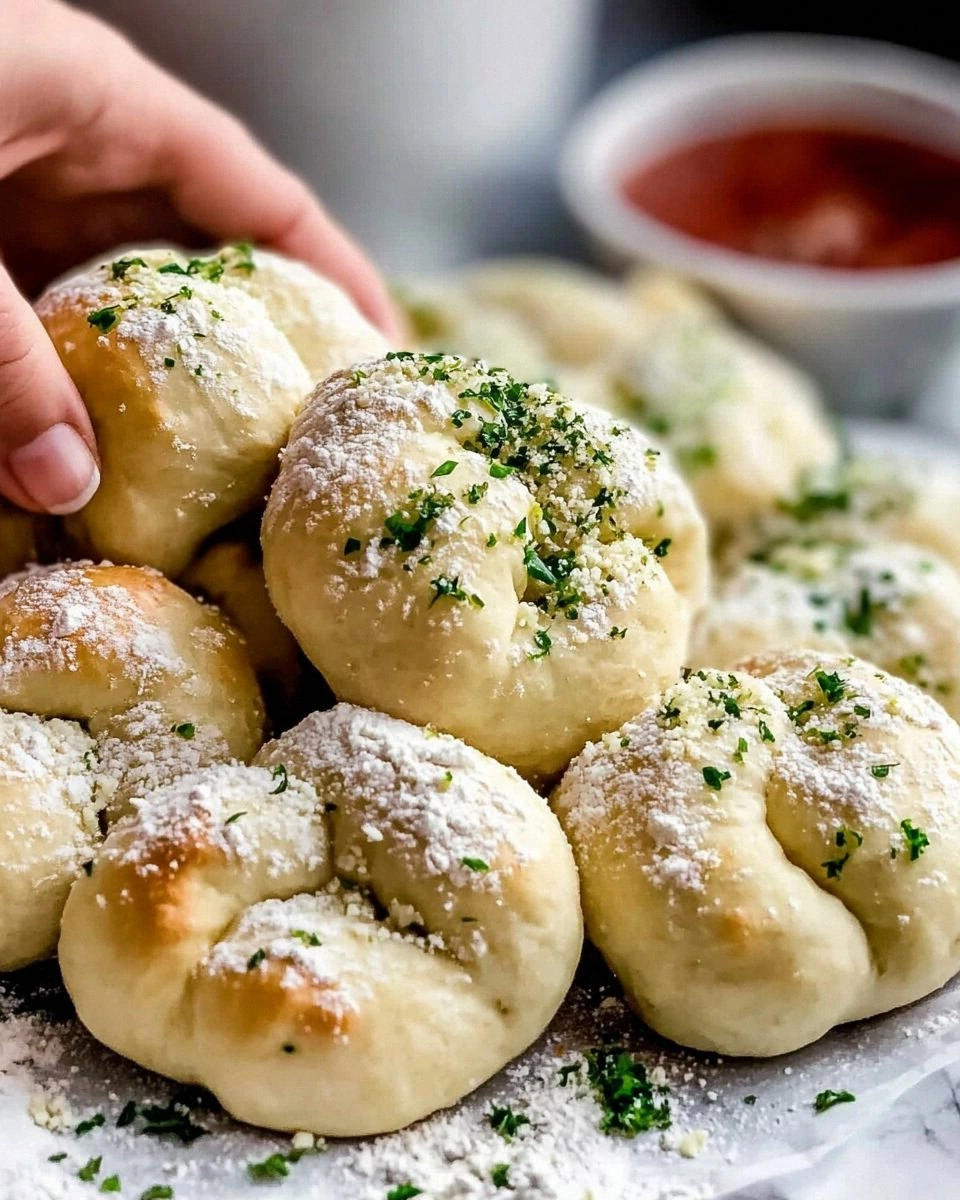
The moment I popped the first knot into the oven, the air filled with a buttery, garlicky perfume that made my heart skip a beat. The dough itself felt soft and elastic, like a gentle hug, while the butter‑garlic glaze glistened like a secret sauce under a winter sun. The sound of the knots bubbling in the pan was a low, comforting rumble, and the first bite was a symphony of crisp edges, tender centers, and a garlic kick that lingered like a whispered promise. It was the kind of sensory experience that turns a simple snack into a celebration.
What sets this version apart is that every element—from the dough’s texture to the glaze’s finish—is meticulously balanced. I’ve cut the yeast activation time, added a splash of olive oil for that extra sheen, and tossed in fresh parsley for a pop of color that makes the knots look as good as they taste. The result? A garlic knot that’s crunchy on the outside, fluffy on the inside, and has a buttery garlic flavor that coats the palate like velvet. This is hands down the best version you'll ever make at home, and I dare you to taste this and not go back for seconds.
If you’ve ever struggled with dough that’s too sticky or knots that come out flat, you’re not alone—this is a common pain point. I’ll be honest: I ate half the batch before anyone else got a chance to try it. That’s because the recipe is so good, it’s almost addictive. Picture yourself pulling these out of the oven, the whole kitchen smelling incredible, and watching the golden crusts shimmer under the kitchen lights. Stay with me here—this is worth it.
What Makes This Version Stand Out
- Flavor: The combination of butter, garlic, and Parmesan creates a savory depth that’s both comforting and sophisticated, turning a simple knot into a gourmet treat.
- Texture: The dough’s airy interior and crisp, buttery crust provide a delightful contrast that satisfies every bite.
- Ease: A streamlined process with minimal steps—no need for a stand mixer or advanced dough techniques.
- Uniqueness: The addition of fresh parsley not only brightens the dish but also adds a subtle herbal note that sets it apart.
- Crowd Appeal: Perfect for game nights, family gatherings, or a quick weekday snack—guaranteed to win over even the most discerning palates.
- Ingredient Quality: Using high‑quality olive oil and real butter elevates the flavor profile beyond the standard store‑bought dough.
- Cooking Method: Baked to golden perfection, then brushed with a garlic‑butter glaze that locks in moisture and flavor.
- Make‑Ahead Potential: The dough can be prepared a day in advance and refrigerated, making it a stress‑free option for busy evenings.
Alright, let's break down exactly what goes into this masterpiece...
Inside the Ingredient List
The Flavor Base
All-purpose flour is the backbone of any good dough, but choosing a flour with a slightly higher protein content—around 12%—ensures a chewy yet tender bite. The active dry yeast, paired with a teaspoon of sugar, triggers a gentle fermentation that gives the knots their airy lift. If you’re using instant yeast, simply skip the proofing step; the dough will still rise beautifully. The warm water (or milk) hydrates the flour and activates the yeast. Skipping the yeast entirely will result in flat, dense knots that can’t compete with the buttery glaze.
The salt is crucial for balancing flavors; it’s the unsung hero that brings out the sweetness of the dough and the savory punch of the garlic. A teaspoon is enough—more than that, and you’ll taste bitterness. If you prefer a low‑sodium version, you can reduce the salt to 1/2 teaspoon, but keep in mind the overall flavor will be milder.
The Texture Crew
Olive oil and melted butter work together to create a glossy surface and a mouth‑watering finish. Olive oil adds a subtle fruity note, while butter provides richness and helps the knots brown evenly. If you’re vegan, substitute the butter with a plant‑based butter or a little extra olive oil, but the flavor profile will shift slightly toward a more Mediterranean taste. The melted butter is also essential for the glaze; it binds the garlic and Parmesan into a silky coating that clings to every knot.
The garlic—four cloves, minced—provides the signature aroma that permeates the dough. Minced garlic releases more flavor than whole cloves, ensuring every bite is infused with that unmistakable garlicky punch. If you’re not a fan of raw garlic, lightly sauté the cloves in a bit of oil before adding them to the dough; this mellows the sharpness and adds a sweet undertone.
The Unexpected Star
Fresh parsley is the unexpected star that adds a burst of color and a subtle herbal freshness. It’s not just a garnish; it’s a flavor enhancer that cuts through the richness of the butter and the intensity of the garlic. Parsley also offers a hint of vitamin K and antioxidants, making the knots a bit healthier. If parsley isn’t available, a sprinkle of dried oregano or basil can work, but the brightness will be slightly different.
The Final Flourish
Grated Parmesan cheese is the final flourish that turns a simple knot into a gourmet treat. The cheese melts into a golden crust that crisps up during baking, creating a satisfying crunch. For a sharper taste, you can mix in a bit of aged cheddar or mozzarella. If you’re looking for a dairy‑free option, nutritional yeast can replace Parmesan, though the texture will differ. Remember to sprinkle the cheese before baking; it will caramelize and add a nutty aroma that’s hard to resist.
Everything's prepped? Good. Let's get into the real action...
The Method — Step by Step
- In a large mixing bowl, combine 2 cups of flour, 1 teaspoon of active dry yeast, 1 teaspoon of sugar, and 1 teaspoon of salt. Whisk the dry ingredients together until they’re evenly distributed. This ensures the yeast is evenly distributed and prevents clumps that could cause uneven rising.
- Create a well in the center of the dry mixture and pour in 3/4 cup of warm water (about 110°F). Add 2 tablespoons of olive oil. Stir with a wooden spoon until a shaggy dough forms. The dough should be slightly sticky; if it’s too dry, add a tablespoon of water at a time.
- Transfer the dough onto a lightly floured surface and knead for about 5–7 minutes until it becomes smooth and elastic. If the dough feels tacky, dust it lightly with flour, but avoid adding too much, or the knots will be dense.
- Place the kneaded dough in a greased bowl, cover with a clean kitchen towel, and let it rise in a warm spot for 1 hour. The dough should double in size. If you’re short on time, you can skip this step and use instant yeast, but the texture will be slightly different.
- While the dough rises, melt 2 tablespoons of butter in a small saucepan over low heat. Add the minced garlic and sauté until fragrant, about 30 seconds. Remove from heat and let it cool slightly.
- Once the dough has doubled, punch it down gently to release air bubbles. Turn it onto a floured surface and divide it into 12 equal portions. Roll each portion into a ball and then stretch it into a knot shape. This is the fun part—feel free to be creative with the knots’ twists.
- Place the knots on a parchment‑lined baking sheet, spaced about an inch apart. Cover with a towel and let them rest for 15 minutes; this second rise gives them a lighter interior.
- Preheat your oven to 375°F (190°C). Brush each knot with the garlic‑butter mixture, then sprinkle generously with grated Parmesan and chopped parsley. Bake for 20–22 minutes or until the knots are golden brown and the cheese has melted into a bubbly crust.
- Remove the knots from the oven and let them cool for a few minutes on a wire rack. Serve warm, perhaps with a side of marinara sauce or a light salad.
That's it — you did it. But hold on, I've got a few more tricks that'll take this to another level...
Insider Tricks for Flawless Results
The Temperature Rule Nobody Follows
Many bakers think a higher oven temperature will make knots crispier, but the secret lies in a steady 375°F (190°C). This temperature allows the dough to rise fully inside while the exterior browns evenly. If you increase the heat, the knots might brown too quickly on the outside, leaving the inside undercooked.
Why Your Nose Knows Best
When the knots are halfway through baking, the aroma will shift from buttery to nutty as the Parmesan melts. Trust your nose: if it smells like toasted bread and garlic, it’s ready. A lingering raw garlic scent means it needs a few more minutes.
The 5-Minute Rest That Changes Everything
After pulling the knots from the oven, let them rest on a rack for 5 minutes. This rest allows the steam to redistribute, giving the interior a lighter texture and preventing the cheese from pulling away from the dough.
The Butter‑Garlic Ratio Hack
If you want a richer glaze, double the butter and reduce the olive oil to 1 tablespoon. The extra butter will create a glossy finish and a deeper buttery flavor, but be cautious: too much butter can cause the knots to become greasy.
The Parsley Finish
Fresh parsley not only adds color but also a bright, herbal note that cuts through the richness. Sprinkle it on top right before serving for a fresh burst of flavor. If parsley is out of season, dried parsley works, but it won’t have the same vibrant color.
Creative Twists and Variations
This recipe is a playground. Here are some of my favorite ways to switch things up:
Cheesy Marinara Dip
Serve the knots with a warm marinara sauce and a side of melted mozzarella. The sauce’s acidity balances the buttery dough, while the cheese adds a gooey, comforting layer.
Herb‑Infused Garlic Knots
Swap out parsley for a mix of basil, oregano, and thyme. The herb blend creates a Mediterranean vibe that pairs well with grilled veggies or a light salad.
Spinach and Feta Knots
Fold in chopped spinach and crumbled feta into the dough before the second rise. The spinach adds a subtle earthiness, while feta brings a tangy, salty contrast.
Chocolate‑Garlic Knots
For a daring dessert version, add a tablespoon of cocoa powder to the dough and sprinkle dark chocolate chips on top before baking. Serve with a drizzle of honey for a sweet and savory treat.
Vegan Garlic Knots
Replace butter with vegan butter and use nutritional yeast instead of Parmesan. The dough will still rise beautifully, and the savory, cheesy flavor will be maintained.
Gluten‑Free Knots
Swap all-purpose flour for a gluten‑free blend that includes xanthan gum. The dough will be slightly denser but still delightful, and the gluten‑free version opens up the recipe for more dietary needs.
Storing and Bringing It Back to Life
Fridge Storage
Place leftover knots in an airtight container in the refrigerator for up to 3 days. When you’re ready to reheat, pop them in a 350°F oven for 5–7 minutes to revive the crispness.
Freezer Friendly
Wrap each knot individually in plastic wrap, then place them in a freezer bag. They’ll keep for up to 2 months. Thaw overnight in the refrigerator before reheating.
Best Reheating Method
The secret to reheated knots is to add a splash of water to the baking sheet before placing the knots in the oven. The steam keeps the dough from drying out and restores that soft interior. Heat at 350°F for 10 minutes or until warmed through.