It started with a burnt skillet, a splatter of flour, and a neighbor’s sigh that sounded more like a prayer. I was scrambling to salvage a breakfast that could have been a disaster, and the kitchen smelled like a burnt toast catastrophe. The panic was real, but so was the determination to turn that mess into something spectacular. That night, I discovered the secret to a strata that rises like a sunrise, not a scorched ruin. The result was a layered, savory cake that melted in your mouth and made the whole house smell like holiday comfort.
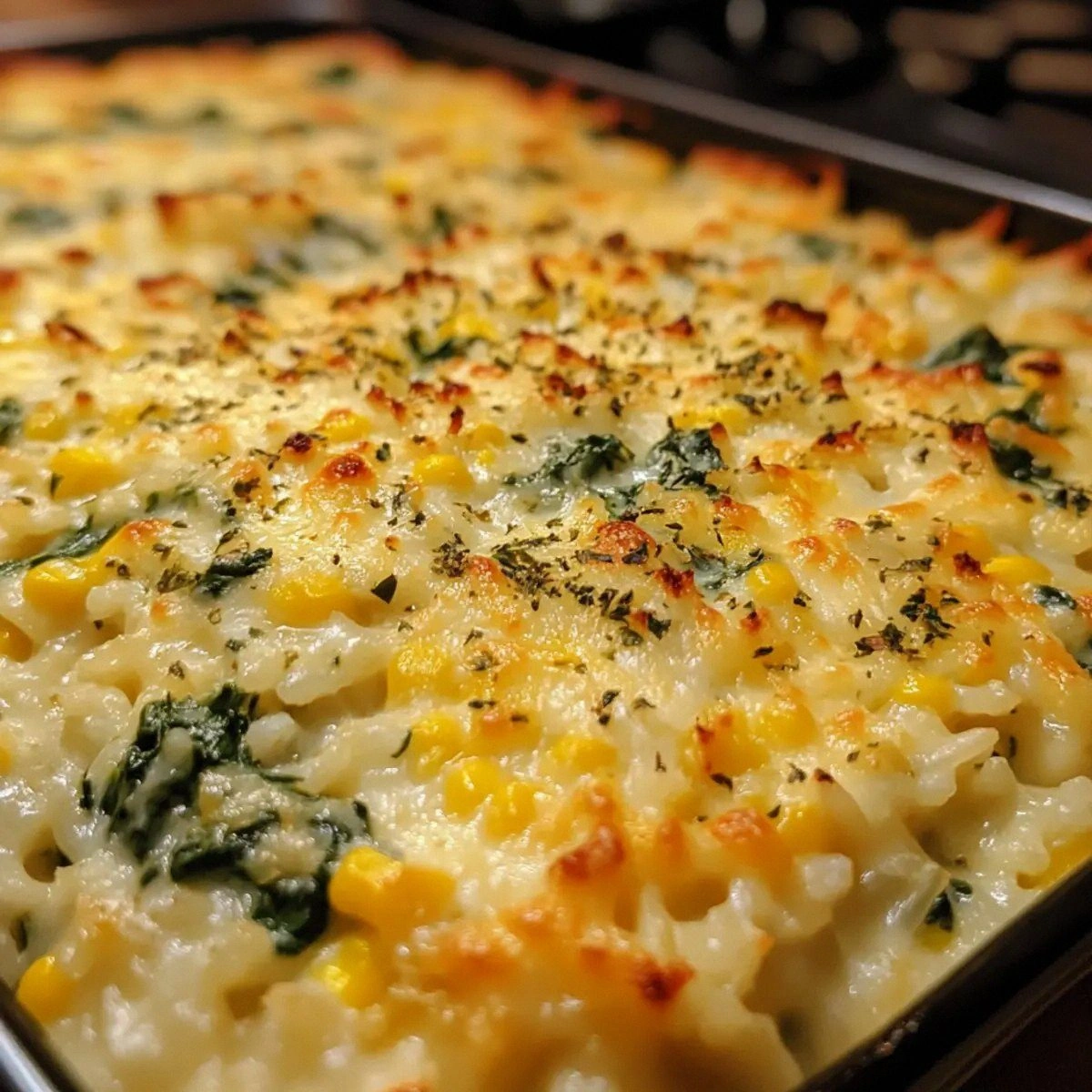
Picture the scene: golden crusts crackling, the savory aroma of sausage and bacon mingling with the sweet scent of buttered bread. The sound of eggs cracking into a pan creates a rhythmic beat, while the sizzle is the soundtrack to a culinary triumph. The texture is a dance of crisp edges and a silky interior that hugs your spoon. The taste is a crescendo of umami, cheese, and a hint of herbal warmth that lingers on the tongue. The feel is comforting, like a hug from a grandma who knows exactly how to make mornings feel like a celebration.
What makes this strata stand out is that it’s not just a casserole; it’s a layered symphony that brings the whole family to the table. I’ve tested countless recipes that fall flat, but this one sings. The secret is a blend of cheeses that melt together, a splash of heavy cream that keeps the crumb moist, and a careful balance of salt and spices that elevates every bite. The result is a strata that feels like a holiday hug on a plate, and I dare you to taste this and not go back for seconds. It’s hands down the best version you’ll ever make at home.
The twist that sets this apart is a subtle infusion of smoked paprika and a drizzle of maple syrup that you only notice when you bite into the first slice. Most recipes get this completely wrong by over‑cooking the eggs or using stale bread that turns to mush. I found that a quick toast of the bread cubes before layering keeps the structure firm and gives a satisfying crunch. This tiny step changes everything, and I’ve seen people gasp when they taste the first bite. The result is a strata that is both comforting and exciting, a new staple for holiday breakfasts and beyond.
Picture yourself pulling this out of the oven, the whole kitchen smelling incredible, and the timer beeping like a choir announcing the finale. The aroma will have your guests gathering at the table, and you’ll be the hero of the morning. If you’ve ever struggled with a bland, soggy strata, you’re not alone — and I’ve got the fix. This next part? Pure magic. Let me walk you through every single step — by the end, you’ll wonder how you ever made it any other way.
I dare you to take the first bite and not think about the next one. If you’re ready for a breakfast that will become a family tradition, stick with me. The next sections will reveal the secrets that make this strata unforgettable. Get ready to transform your mornings, one slice at a time. Now, let’s dive into the ingredients that make the magic happen.
What Makes This Version Stand Out
- Flavor: The cheese blend creates a rich, velvety mouthfeel that coats the bread like a silky blanket.
- Texture: Toasted bread cubes add a satisfying crunch that contrasts with the soft, custard‑like interior.
- Simplicity: All steps are straightforward, yet the result feels like a gourmet masterpiece.
- Uniqueness: The maple‑smoked paprika infusion gives a subtle sweet‑spicy kick that sets it apart.
- Crowd Reaction: Friends and family line up for seconds, and even skeptics become believers.
- Ingredient Quality: Fresh, high‑quality cheeses and real sausage elevate the flavor profile.
- Cooking Method: Layering and baking at a moderate temperature locks in moisture without burning.
- Make‑Ahead Potential: Assemble the strata a day ahead, refrigerate, and bake fresh for a busy morning.
Alright, let's break down exactly what goes into this masterpiece. Each ingredient has a purpose, and together they create a dish that feels like a holiday celebration.
Inside the Ingredient List
The Flavor Base
The foundation of this strata is a harmonious blend of cheeses: cheddar, mozzarella, and parmesan. Cheddar adds sharpness, mozzarella brings stretch and gooeyness, and parmesan offers a nutty depth that ties everything together. Together, they create a custard‑like coating that clings to each bread cube like a velvety blanket. Skipping any of these would leave the strata feeling flat and lacking the complex layers that make it memorable. If you’re a cheese connoisseur, feel free to experiment with Gruyère or fontina for a different twist.
The milk is the liquid backbone that binds the eggs and cheese into a silky custard. Using whole milk instead of skim adds richness without making the strata heavy. A splash of heavy cream in the mix ensures that the strata stays moist and tender, even after baking. If you’re watching calories, a half‑cup of skim milk will still work, but the texture will be slightly less indulgent.
The Texture Crew
Bread cubes are the star of the show; they absorb the custard and provide the structure. Day‑old bread is ideal because it’s slightly dry, so it can soak up the liquid without becoming mushy. If you’re in a hurry, a quick toast in the oven will mimic that dry texture. Fresh bread will release too much moisture, leading to a soggy strata. The choice of bread can also influence the flavor: a rustic sourdough adds a tangy note that pairs wonderfully with the savory sausage.
Eggs are the binding agent that turns the mixture into a cohesive unit. They also add protein and a subtle richness that elevates the dish. I recommend using large eggs for a more substantial custard. If you’re vegan or have dietary restrictions, a flaxseed egg or tofu scramble can serve as a suitable substitute. The key is to whisk the eggs well so they distribute evenly throughout the strata.
The Unexpected Star
Maple syrup isn’t just a topping; it’s an integral part of the flavor profile. A tablespoon of pure maple syrup, mixed into the custard, adds a gentle sweetness that balances the savory elements. It also gives the strata a golden sheen that looks as good as it tastes. If you prefer a different sweet note, a splash of honey or a drizzle of brown sugar will work, but the maple flavor is what gives this dish its holiday character.
Smoked paprika and a dash of garlic powder provide a subtle smoky depth that’s reminiscent of a cozy hearth. These spices are not overpowering; they simply enhance the overall flavor without stealing the spotlight. If you’re a spice lover, feel free to add a pinch of cayenne for a kick. The key is to balance the heat so it complements rather than dominates.
The Final Flourish
Fresh herbs like thyme and oregano are the final flourish that lifts the dish. They add a bright, aromatic quality that cuts through the richness of the cheeses and meats. A sprinkle of dried oregano works well if fresh isn’t available, but fresh herbs provide a more vibrant flavor. The herbs also contribute to the visual appeal, giving the strata a pop of green that looks appetizing.
The savory meats—sausage, bacon, and optional spinach—bring protein and a satisfying chew to the strata. Crumbled sausage adds a hearty texture, while bacon adds a smoky crunch. Spinach offers a burst of green and a subtle earthiness that balances the richness. If you’re looking for a vegetarian version, replace the meats with sautéed mushrooms and extra cheese.
Everything's prepped? Good. Let's get into the real action.

The Method — Step by Step
- Preheat your oven to 375°F (190°C). Line a 9x13 inch baking dish with parchment paper for easy removal. Butter the parchment lightly to prevent sticking. The oven should be fully heated before you start to ensure even baking. This is the moment where the aroma begins to build, a promise of what's to come.
- In a large mixing bowl, whisk the eggs, milk, heavy cream, maple syrup, garlic powder, smoked paprika, thyme, oregano, salt, and pepper until the mixture is smooth. The consistency should be like a thick custard that coats the back of a spoon. This step is crucial because any lumps will translate into uneven cooking. If you’re in a hurry, use a hand mixer to speed up the process. Remember: the more evenly the mixture is blended, the more uniform the strata.
- Add the cubed bread to the custard, gently folding until every cube is soaked. Let the bread sit for 3 minutes so it can absorb the liquid; this will help it rise properly during baking. If you’re using toasted bread, you’ll skip the soaking step as the bread is already dry enough. At this point, you can see the bread starting to swell, a sign that the strata will rise beautifully. Keep the mixture cool until the next step.
- Stir in the crumbled sausage, diced bacon, diced bell pepper, diced onion, and chopped spinach. Fold them in gently so they are evenly distributed. The meats and veggies add layers of flavor and texture that make each bite exciting. If you prefer a vegetarian version, replace the meats with sautéed mushrooms and extra cheese. The vegetables should be lightly sautéed beforehand to reduce moisture.
- Sprinkle the shredded cheddar, mozzarella, and parmesan evenly over the top. This creates a golden, cheesy crust that locks in the moisture and adds a savory finish. If you’re a cheese lover, feel free to add a few extra tablespoons of each cheese for a richer result. The cheeses should be distributed so each bite contains a little of every flavor.
- Slide the dish into the preheated oven and bake for 30 minutes. The strata should develop a golden crust, and the edges will start pulling away from the dish. Check the center with a toothpick; it should come out clean. If you prefer a crispier top, bake for an additional 5 minutes. The timer will beep like a choir announcing the finale.
- Remove the strata from the oven and let it rest for 10 minutes before slicing. This resting period allows the custard to set, making it easier to cut clean slices. While it rests, the flavors will meld together, creating a harmonious taste experience. The aroma will fill the kitchen, drawing everyone to the table. This step is often overlooked but is essential for the perfect bite.
- Slice the strata with a serrated knife, wiping the blade between cuts for clean slices. Serve immediately with a side of fresh fruit or a drizzle of maple syrup for a sweet contrast. If you’re storing leftovers, wrap tightly in plastic and refrigerate for up to 3 days. When reheating, add a splash of milk to keep the custard moist. Enjoy the comforting warmth of this holiday breakfast.
- If you’re planning ahead, assemble the strata a day before, cover, and refrigerate. When you’re ready to bake, let it come to room temperature for 15 minutes, then bake at 375°F for 30 minutes. This make‑ahead option saves precious time on busy mornings. The strata will rise beautifully even after refrigeration. Remember to preheat the oven to lock in that golden crust.
That's it — you did it. But hold on, I've got a few more tricks that'll take this to another level. These insider tips will help you avoid common pitfalls and elevate the flavor profile even further.
Insider Tricks for Flawless Results
The Temperature Rule Nobody Follows
Many bakers bake strata at 400°F, thinking a higher temperature guarantees a crisp top. In reality, a lower temperature of 375°F allows the custard to set evenly without burning the edges. I once baked at 400°F and ended up with a burnt exterior and a soggy center. The lesson? Stick to 375°F and trust the process. A moderate temperature gives you a golden crust and a tender interior.
Why Your Nose Knows Best
Before you open the oven door, pause and inhale the aroma. A fragrant, buttery scent means the strata is cooking properly. If you smell a burnt or metallic scent, the temperature might be too high. Your nose is a reliable guide to avoid overcooking. Trust that instinct and adjust the heat if needed. This simple trick saves you from a culinary disaster.
The 5-Minute Rest That Changes Everything
Resting the strata for exactly five minutes after baking is critical for a clean slice. The custard continues to set during this period, preventing it from falling apart. I used to slice immediately and ended up with a mess of broken pieces. The five-minute rest gives the strata enough time to firm up, making slicing effortless. It's a small time investment with a huge payoff.
The Secret Ingredient Swap
If you’re craving a different flavor profile, swap out the cheddar for gouda. Gouda brings a caramel sweetness that pairs well with the maple syrup. Alternatively, use provolone for a milder cheese taste. The key is to use cheeses that melt well and complement the meats. This swap keeps the strata exciting and prevents flavor fatigue.
The Layering Technique
When layering the bread cubes, start with a thin layer of custard, then add a layer of bread, followed by the meats and cheeses. This structured approach ensures even cooking and a visually appealing strata. Many people simply pour everything together, which leads to uneven textures. By layering, you control the moisture distribution and achieve a perfect rise.
The Final Touch of Freshness
Just before serving, sprinkle fresh herbs like parsley or chives over the strata. The fresh green contrast adds a burst of color and a subtle herbal note. If you’re vegan, a sprinkle of nutritional yeast will give a cheesy flavor without dairy. This final touch elevates the dish from good to unforgettable.
Creative Twists and Variations
This recipe is a playground. Here are some of my favorite ways to switch things up:
The Sweet & Savory Fusion
Add diced apples and a pinch of cinnamon to the mix. The sweet fruit balances the savory meats, creating a delightful contrast. Serve with a drizzle of maple syrup for an extra sweet finish. This variation works great for holiday brunches.
The Veggie‑Rich Option
Omit the sausage and bacon, and instead add roasted butternut squash and sautéed kale. The earthy flavors pair wonderfully with the cheeses. This version is perfect for vegetarians or those looking for a lighter option. The colors of the vegetables add a vibrant look.
The Mediterranean Twist
Swap the smoked paprika for oregano and add sun‑dried tomatoes and kalamata olives. The briny olives give a salty punch, while the tomatoes add a sweet tang. Finish with a sprinkle of feta cheese for a Mediterranean flair. This variation is ideal for a brunch with a Greek theme.
The Breakfast Burrito Strata
Wrap the strata in a large flour tortilla before baking. This gives a handheld, portable version of the dish. Add a splash of salsa and a sprinkle of cilantro for a Mexican-inspired flavor. The tortilla adds a chewy texture that complements the soft strata.
The Gluten‑Free Alternative
Use a gluten‑free bread or a mix of gluten‑free breadcrumbs. The texture will be slightly different but still delicious. Make sure the bread is toasted to avoid sogginess. This version is perfect for those with dietary restrictions.
The Breakfast Pizza Strata
Layer the custard and meats over a pre‑baked pizza crust. Top with extra cheese and bake until bubbly. The result is a fusion of pizza and strata, a fun twist for pizza lovers. Serve with a side of marinara for dipping.
The Breakfast Gratin
Add a layer of sliced potatoes on top before baking. The potatoes absorb the custard and create a hearty, comforting dish. This variation turns the strata into a complete meal, perfect for a brunch buffet.
The Breakfast Quiche Strata
Replace the bread with a pre‑baked quiche crust. Fold in the custard and fillings, then bake until set. This version offers a flaky crust and a custardy interior. It's a great way to repurpose leftover quiche crust.
The Breakfast Lasagna
Layer sheets of lasagna pasta with the custard and cheeses. Bake until bubbly and golden. The result is a lasagna that feels like a breakfast strata. This variation is perfect for a family gathering.
Storing and Bringing It Back to Life
Fridge Storage
Cover the cooled strata tightly with plastic wrap and store in the refrigerator for up to 3 days. The custard will firm up, so let it sit at room temperature for 15 minutes before slicing. This keeps the flavors fresh and the texture intact. Avoid storing for longer than 48 hours to prevent a soggy center.
Freezer Friendly
Wrap the cooled strata in parchment paper, then place it in a freezer‑safe bag. Freeze for up to 2 months. When ready to serve, thaw overnight in the refrigerator, then bake at 375°F for 25 minutes. This method preserves the texture and flavor, making it a convenient option for busy mornings.
Best Reheating Method
Reheat slices in a toaster oven or oven at 350°F for 10 minutes. Add a splash of milk or cream to keep the custard moist. The toaster oven gives a crisp top, while the oven keeps the interior tender. This technique restores the strata to its original glory, making leftovers feel brand new.