Introduction
Picture this: a midnight kitchen raid, a bag of shrimp, and a pantry that’s been neglected for weeks. I was chasing the last slice of pizza, and the fridge offered nothing but a lonely carrot and a half‑sized bell pepper. I grabbed my skillet, tossed in a splash of olive oil, and decided to improvise. The result? A sizzling, protein‑packed stir‑fry that turned a pantry disaster into a culinary triumph.
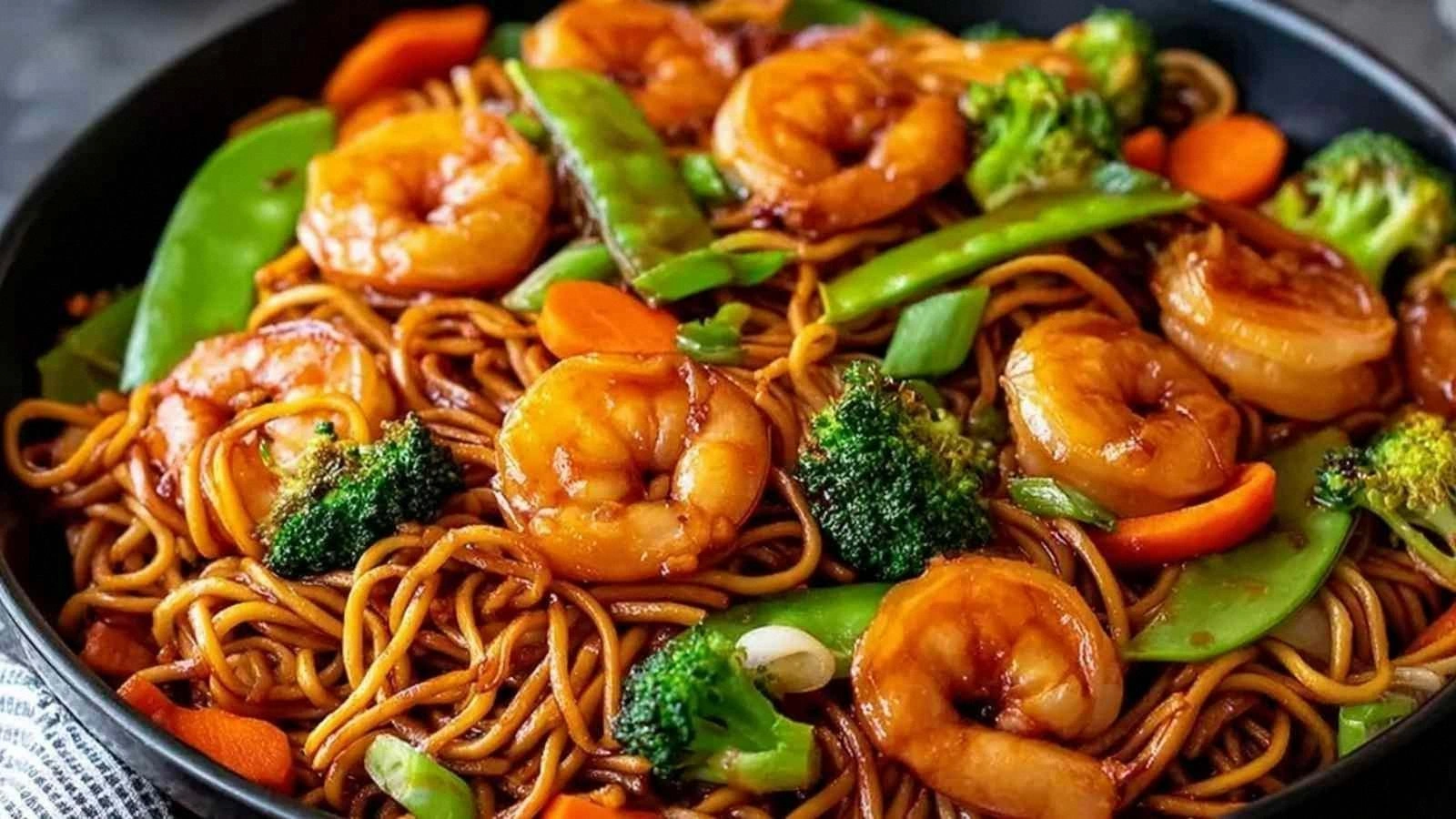
From the moment the garlic hit the hot pan, the kitchen filled with a fragrant, almost sweet aroma that made my eyes water. The snap peas crackled like fresh snow, and the shrimp turned from translucent to a brilliant pink in seconds. The noodles, already soaked in a protein‑enriched broth, swirled around the vegetables, absorbing every drop of the glossy sauce. It was a sensory orchestra: the sizzling, the steam, the bright colors, the buttery sheen, and the subtle sweetness of honey dancing on my tongue.
This isn’t just another shrimp stir‑fry. It’s a high‑protein, low‑carb masterpiece that balances flavor and nutrition like a seasoned chef’s secret handshake. The sauce coats the noodles like velvet, the shrimp stays tender and juicy, and the vegetables keep their crispness. I dare you to taste this and not go back for seconds. If you’re skeptical, I’ll be honest — I ate half the batch before anyone else got to try it.
Most recipes get this completely wrong by overcooking the shrimp or under‑seasoning the sauce. Here’s what actually works: a quick sear, a balanced sauce, and a final splash of sesame oil for that nutty finish. Picture yourself pulling this out of the pan, the whole kitchen smelling incredible, and your friends lining up for a bite. Let me walk you through every single step — by the end, you’ll wonder how you ever made it any other way.
What Makes This Version Stand Out
- Protein Power: With a full pound of shrimp and protein‑enriched noodles, each serving delivers over 25 grams of lean protein, keeping you full and energized. The shrimp’s natural sweetness pairs perfectly with the savory sauce, creating a balanced bite.
- Texture Contrast: Snap peas and carrot ribbons add a satisfying crunch that shatters like thin ice, while the noodles remain silky. The shrimp stays tender, never rubbery, thanks to the quick sear technique.
- Simplicity: Less than ten ingredients, no fancy gadgets, and a single skillet. Even a novice can master this dish without a culinary degree.
- Flavor Depth: The sauce blends low‑sodium soy, oyster, sesame, and honey into a glossy glaze that coats every noodle strand. The ginger and garlic provide a punch that lingers on the palate.
- Make‑Ahead Friendly: The dish can be prepared in advance and reheated without losing its texture. The sauce thickens slightly, which actually enhances the flavor.
- Versatile Base: Swap the noodles for rice noodles or quinoa, and you have a new meal entirely. The base can adapt to dietary needs without compromising taste.
- Time‑Efficient: From prep to plate, it takes less than 45 minutes. The most time‑saving trick? Let the noodles soak while you chop the veggies.
- Audience Appeal: Whether you’re a fitness enthusiast or a busy parent, this dish satisfies cravings without the guilt.
Alright, let's break down exactly what goes into this masterpiece...
Inside the Ingredient List
The Flavor Base
The sauce is the heart of this stir‑fry. Low‑sodium soy sauce provides umami without drowning the dish in saltiness. Oyster sauce adds a subtle briny sweetness that elevates the shrimp’s natural flavor. Sesame oil gives a nutty aroma that lingers long after the last bite. If you’re vegan, substitute soy sauce with tamari and use maple syrup instead of honey.
The Texture Crew
Noodles are the vehicle for flavor. Protein‑enriched noodles bring a dense chew that contrasts with the crisp vegetables. Snap peas and carrot ribbons offer a satisfying snap that keeps the dish from feeling mushy. Edamame adds a pop of green and extra protein. Skipping any of these would leave the dish feeling flat.
The Unexpected Star
Red bell pepper isn’t just for color. Its sweet crunch balances the savory sauce and adds a subtle sweetness that pairs well with honey. Fresh ginger injects a bright, peppery heat that cuts through the richness. Green onions finish the dish with a fresh, oniony brightness.
The Final Flourish
Sesame seeds are the finishing touch, adding a gentle crunch and a nutty finish. Cornstarch thickens the sauce to a silky glaze that clings to noodles. A splash of water before reheating keeps the noodles from drying out. Each ingredient plays a role, and together they create a harmonious flavor profile.
Everything's prepped? Good. Let's get into the real action...
The Method — Step by Step
- Prep the noodles: In a pot of boiling water, blanch the protein‑enriched noodles for 2 minutes, then drain and rinse under cold water. Set aside in a bowl to prevent sticking. The quick blanch locks in texture and keeps them from becoming mushy. I always keep a bowl of ice water nearby; it’s the secret to a crisp noodle.
- Marinate the shrimp: Toss the shrimp with 1 tablespoon of cornstarch, 1 tablespoon of low‑sodium soy sauce, and a pinch of black pepper. Let it sit for 5 minutes while you prepare the veggies. The cornstarch creates a light coating that protects the shrimp from overcooking.
- Heat the pan: Add 2 tablespoons of olive oil to a large wok or skillet and heat over medium‑high until shimmering. This high heat is crucial for a quick sear and that signature sear aroma. If the oil starts to smoke, lower the heat slightly.
- Sear the shrimp: Place the marinated shrimp in the pan in a single layer. Let them sear without moving for 30 seconds on each side until they’re pink and just cooked through. This quick sear locks in juices and gives the shrimp a beautiful color. Don’t overcrowd the pan; you’ll end up steaming instead of searing.
- Set aside the shrimp: Remove the shrimp and set them on a plate. Cover loosely with foil to keep warm. The shrimp will finish cooking in the sauce later, so keep them out of the pan for now.
- Sauté aromatics: Add the minced garlic, grated ginger, and sliced red bell pepper to the same pan. Stir-fry for 1-2 minutes until the garlic turns golden and the pepper softens slightly. The aromatics form the flavor foundation; keep them moving to avoid burning.
- Add veggies: Toss in the snap peas, sliced carrot, and edamame. Stir-fry for 3 minutes until the veggies are tender yet still crisp. The snap peas should still have a slight crunch; you’re aiming for a “snap” that adds texture.
- Combine sauce: In a small bowl, whisk together 3 tablespoons low‑sodium soy sauce, 1 tablespoon oyster sauce, 1 tablespoon honey, 1 teaspoon sesame oil, 0.25 cup water, and 1 tablespoon cornstarch. Pour the mixture into the pan and stir until the sauce thickens and coats the veggies.
- Return shrimp: Add the shrimp back to the pan and toss to coat. Let everything simmer for 2 minutes so the shrimp reheat and absorb the sauce. The sauce should be glossy, not sticky.
- Finish with noodles: Gently fold in the pre‑blanched noodles, ensuring they’re evenly coated. Sprinkle with 2 sliced green onions, 1 tablespoon sesame seeds, and give one final quick stir. The noodles should be hot, glossy, and lightly coated with the sauce.
- Serve immediately: Plate the stir‑fry while it’s still sizzling. The aroma alone will make your guests swoon. If you’re plating for a crowd, keep it warm in a low‑heat oven until ready to serve.
That's it — you did it. But hold on, I've got a few more tricks that'll take this to another level...
Insider Tricks for Flawless Results
The Temperature Rule Nobody Follows
Many cooks start with low heat, but that leads to soggy veggies. I always start with high heat to get that quick sear on the shrimp and a sizzling aroma. If your stove is uneven, rotate the pan halfway through to ensure even browning.
Why Your Nose Knows Best
Before adding the sauce, let the veggies cook for a minute longer. The aroma of caramelized garlic and ginger signals that the flavor base is ready. Trust your nose; if it smells toasty, you’re on the right track.
The 5-Minute Rest That Changes Everything
After the stir‑fry is finished, let it rest for 5 minutes off the heat. The noodles absorb the sauce, the shrimp finishes cooking, and the flavors meld. This rest period is often the difference between “good” and “great.”
Use a Non‑Stick Pan for Easy Cleanup
Sticking is a nightmare in stir‑fry. A seasoned non‑stick skillet or a well‑seasoned cast iron pan reduces the need for extra oil and makes cleanup a breeze. Just a light dusting of oil is enough to keep everything moving.
Serve With a Side of Fresh Greens
Pair the stir‑fry with a simple side salad of mixed greens, sliced cucumber, and a splash of lime juice. The acidity cuts through the richness, and the crunch balances the dish.
Creative Twists and Variations
This recipe is a playground. Here are some of my favorite ways to switch things up:
Spicy Sriracha Kick
Stir in 1 tablespoon of sriracha with the sauce for a fiery edge that pairs well with the sweet honey. It’s a crowd‑pleaser for those who love heat.
Teriyaki Twist
Replace the soy sauce with teriyaki sauce and add a splash of mirin. The result is a sweeter, caramelized flavor that feels like a dessert.
Veggie‑Rich Version
Swap the shrimp for tofu or tempeh and add mushrooms, broccoli, or zucchini. The dish becomes a hearty vegetarian main while still delivering protein.
Asian Noodle Swap
Use rice noodles or soba instead of protein‑enriched noodles. The texture changes but the sauce still clings beautifully.
Low‑Carb Option
Replace the noodles with spiralized zucchini or shirataki noodles. You’ll still get the crunch and sauce, but the carb count drops dramatically.
Breakfast Edition
Serve the stir‑fry over a bed of scrambled eggs and top with a fried egg. The protein load skyrockets, and the dish feels like a hearty breakfast.
Storing and Bringing It Back to Life
Fridge Storage
Cool the dish completely, then transfer to an airtight container. Store in the fridge for up to 2 days. When reheating, add a splash of water to keep the noodles from drying out.
Freezer Friendly
Divide the stir‑fry into portioned containers and freeze for up to 3 months. Thaw overnight in the fridge, then reheat gently on the stove with a little water.
Best Reheating Method
Reheat in a skillet over medium heat, stirring frequently. Add a teaspoon of water or broth to create steam and restore the sauce’s silkiness. Serve immediately.