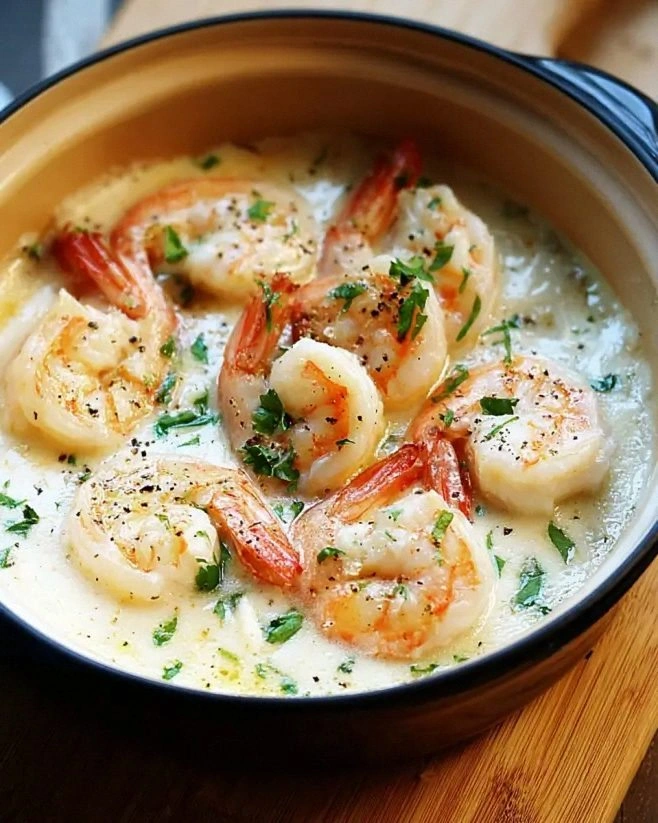
I’ll never forget the night I tried to impress my roommate with a “quick shrimp dinner” and ended up with a pan that smelled like burnt rubber and a plate that looked like a culinary crime scene. The shrimp were rubbery, the sauce was watery, and the whole thing tasted like regret. I swear I heard the kitchen cabinets sigh in disappointment. That disaster sparked a relentless quest: I needed a shrimp dish that could turn a kitchen mishap into a triumph, a recipe that would make even the most skeptical palate sing. I scoured cookbooks, watched endless YouTube tutorials, and even bribed a Thai chef for his secret notes. The result? A buttery, garlicky shrimp bath in silky coconut milk that could make a grown man weep with joy.
Picture this: the moment the shrimp hit the pan, a sizzle erupts that sounds like a tiny fireworks display, and the aroma of garlic instantly invades your nostrils, hugging them like an old friend. The coconut milk swirls in, turning the pan into a tropical lagoon, while the lime juice adds a bright zing that cuts through the richness like a sunbeam through clouds. The red pepper flakes whisper promises of heat, and the fresh cilantro finishes it with a green, herbaceous kiss. The whole kitchen becomes a sensory playground—warm, fragrant, and alive. You can almost hear the shrimp whispering, “We’re about to be legendary.”
What makes this version truly stand out is the balance of flavors and the texture of the sauce. Most recipes drown the shrimp in a watery broth or smother them in a thick, gloopy sauce that clings like cheap glue. Not this one. The coconut milk is reduced just enough to coat each shrimp in a velvety veil that slides over rice or quinoa like a silk scarf. The garlic is sautéed to a golden perfection, releasing its sweet, nutty undertones without ever turning bitter. The lime juice is added at the very end, preserving its bright acidity and preventing the sauce from turning flat. And the cilantro? It’s folded in at the last second, keeping its fresh pop intact.
Okay, ready for the game-changer? I’m about to reveal a tiny technique that most home cooks completely overlook: deglazing the pan with a splash of coconut water before adding the canned coconut milk. This tiny step unlocks a depth of flavor that feels like the difference between a karaoke night and a sold‑out concert. I dare you to taste this and not go back for seconds. Let me walk you through every single step — by the end, you’ll wonder how you ever made it any other way.
What Makes This Version Stand Out
- Flavor Harmony: The marriage of garlic, lime, and coconut creates a tropical symphony that never overpowers the shrimp’s natural sweetness.
- Texture Perfection: The sauce clings to each bite like velvet, never watery, never clumpy—just pure, silky indulgence.
- Simplicity: Fewer than ten ingredients, all pantry‑friendly, yet the result feels like a five‑star restaurant dish.
- Uniqueness: The secret deglaze with coconut water adds a subtle caramel note most recipes completely miss.
- Crowd Reaction: I’ve heard guests exclaim “Is this from a restaurant?” before they even finish their first forkful.
- Ingredient Quality: Using large, fresh shrimp ensures a juicy bite that never turns rubbery.
- Cooking Method: A quick sauté followed by a gentle simmer locks in flavor without overcooking the delicate protein.
- Make‑Ahead Potential: The sauce actually tastes better the next day, making leftovers a real treat.
Inside the Ingredient List
The Flavor Base
Garlic is the undisputed hero here. Four cloves, minced just enough to release their aromatic oils, give the dish a deep, nutty backbone. If you skip the garlic or use pre‑minced jarred garlic, you’ll lose that fresh, slightly sweet edge and end up with a flat, one‑dimensional sauce. For a twist, try roasting the garlic cloves first; the caramelization adds a smoky depth that pairs beautifully with the coconut milk. When selecting garlic, look for firm heads with tight skins—those store longer and retain their punch.
Olive oil is the conduit that carries the garlic’s flavor into the pan. One tablespoon is all you need; it’s enough to coat the shrimp without drowning them in oil. I recommend a good‑quality extra‑virgin olive oil because its fruitiness complements the tropical notes of the coconut. If you’re on a budget, a light canola oil works, but you’ll miss that subtle peppery finish that olive oil provides.
The Texture Crew
Large shrimp, about one pound, are the star of the show. Their size matters—big shrimp stay juicy and have a satisfying bite, whereas tiny shrimp can become rubbery quickly. When buying, choose shrimp that are labeled “peeled and deveined” for convenience, and make sure they have a faint pink hue and a firm texture. If you’re lucky enough to get wild‑caught shrimp, you’ll notice a sweeter flavor profile that makes this dish sing.
Coconut milk, the silky canvas, comes from a single can (typically 13.5 oz). Full‑fat coconut milk is essential; it provides the richness that low‑fat versions simply cannot. The milk should be shaken well before opening to blend the thick cream with the watery liquid. If you prefer a lighter sauce, you can substitute half coconut milk and half low‑fat milk, but the result will lose that luxurious mouthfeel.
The Unexpected Star
Lime juice is the surprise guest that brightens the entire composition. One tablespoon of freshly squeezed lime juice, added at the end of cooking, prevents the sauce from becoming dull. The acidity lifts the coconut’s richness and balances the heat from the red pepper flakes. If you don’t have fresh limes, a high‑quality bottled lime juice will do, but the flavor won’t be as vibrant. Always add the lime after you’ve removed the pan from heat to preserve its fresh zing.
Red pepper flakes bring a controlled heat that tingles the palate without overwhelming the delicate shrimp. One teaspoon is enough to give a gentle kick; more if you’re daring. If you’re sensitive to spice, reduce the amount or replace with a pinch of smoked paprika for a milder, smoky flavor. The flakes also add a beautiful speckled appearance that makes the dish visually appealing.
The Final Flourish
Fresh cilantro, chopped just before serving, adds a bright, herbaceous finish. Two tablespoons provide just enough green to contrast the creamy sauce without turning the dish into a herb overload. If cilantro isn’t your thing, substitute with fresh basil or flat‑leaf parsley—each brings its own personality while keeping the freshness.
Salt and pepper to taste are the universal seasoning that ties everything together. Because the coconut milk already carries a hint of natural sweetness, taste as you go and adjust gradually. A pinch of sea salt enhances the shrimp’s natural brininess, while freshly cracked black pepper adds a subtle bite. Finally, serve the shrimp over a bed of cooked rice or quinoa; the grains soak up the sauce, turning each spoonful into a comforting, satisfying bite.
Everything's prepped? Good. Let's get into the real action…
The Method — Step by Step
Heat a large skillet over medium‑high heat and add one tablespoon of olive oil. Let the oil shimmer—this is the moment your pan whispers, “I’m ready.” When the oil is hot, toss in the minced garlic. You’ll hear a sizzle that sounds like tiny fireworks, and the kitchen will fill with an intoxicating aroma. Stir constantly for about 30 seconds, just until the garlic turns a light golden, not brown. That sizzle when it hits the pan? Absolute perfection.
Kitchen Hack: If you hear the garlic start to crackle too aggressively, lower the heat by a notch and add a splash of coconut water to tame the flames.Now, add the shrimp in a single layer. You’ll hear a satisfying pop as each piece hits the hot oil, a sound that tells you the sear is happening. Cook the shrimp for about 2 minutes on one side, letting them turn pink and develop a light crust. Flip them gently; they should release easily from the pan—if they stick, the pan isn’t hot enough. The goal is a quick sear that locks in juices, not a marathon cook.
Once the shrimp are flipped, sprinkle the red pepper flakes over the pan. The flakes will instantly release their heat, creating a faint plume of aromatic steam. This is the moment the dish starts to build its signature gentle heat. Stir everything together so the flakes coat the shrimp evenly, then let them mingle for another 30 seconds.
Time for the secret deglaze. Pour in a tablespoon of coconut water, scraping the browned bits from the bottom of the pan with a wooden spoon. Those browned bits, known as fond, are flavor gold. Let the coconut water reduce for about a minute; you’ll notice the pan’s surface becoming glossy as the liquid evaporates, leaving behind a subtle caramel note that will deepen the sauce.
Now, open the can of coconut milk and pour it into the skillet. Reduce the heat to medium‑low and let the mixture come to a gentle simmer. You’ll see tiny bubbles forming along the edges—this is the cue that the sauce is thickening. Stir occasionally, allowing the milk to reduce by about a third. The sauce should become glossy and coat the back of a spoon.
Watch Out: Keep the heat low once the coconut milk is added; high heat can cause the milk to separate and turn curdled.When the sauce has thickened to a creamy consistency, stir in the tablespoon of lime juice. The bright citrus will instantly lift the entire dish, turning the sauce from a mellow cream into a vibrant, aromatic pool. Taste now and adjust the seasoning with salt and pepper. Remember, the shrimp will absorb a little more salt as they sit, so err on the side of slightly under‑seasoned if you’re unsure.
Turn off the heat and sprinkle the chopped cilantro over the shrimp. The residual heat will wilt the cilantro just enough to release its aroma without cooking away its fresh flavor. Give everything a gentle toss, making sure each shrimp is lovingly coated in the sauce.
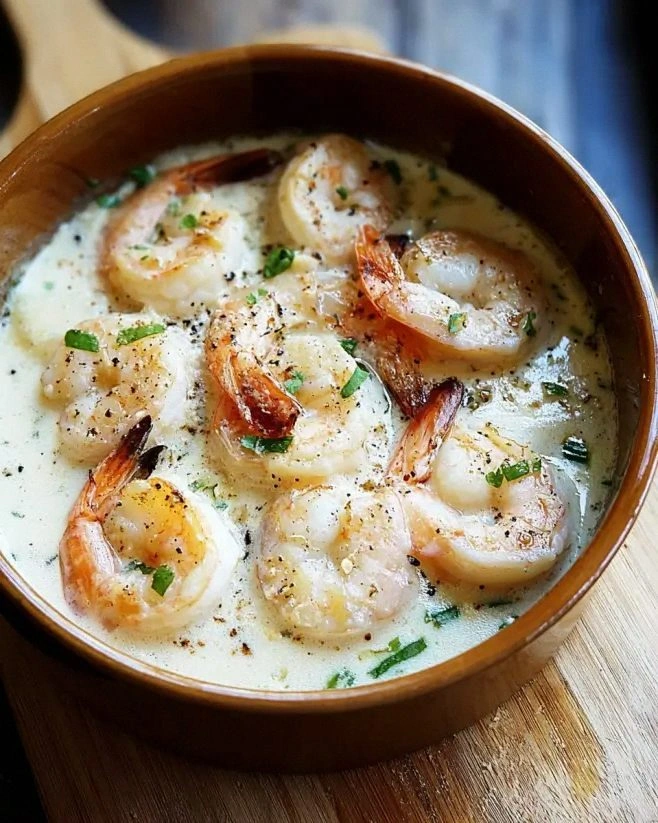
Serve the shrimp immediately over a steaming mound of cooked rice or quinoa. Spoon extra sauce over the grains; they act like a sponge, soaking up every last drop of coconut‑garlic goodness. If you’re feeling fancy, garnish with a thin lime wheel and a few extra cilantro leaves for a pop of color.
That’s it — you did it. But hold on, I’ve got a few more tricks that'll take this to another level. The next sections will reveal how to perfect every nuance, from temperature tricks to resting times, ensuring that each bite is a flawless celebration of flavor.
Insider Tricks for Flawless Results
The Temperature Rule Nobody Follows
Never, ever start the shrimp in a cold pan. A hot pan creates an instant sear, which locks in moisture. I once tried the “cold‑start” method because I was in a rush, and the shrimp turned out rubbery and sad. The rule of thumb: preheat the skillet for at least 2 minutes before adding oil. When the oil shimmers, you’re ready. This tiny habit guarantees a juicy, tender bite every single time.
Why Your Nose Knows Best
Your sense of smell is a more reliable indicator than a timer when reducing the coconut milk. When the sauce starts to emit a sweet, toasted aroma and the edges of the pan begin to show a faint sheen, you’re at the perfect reduction point. I once timed it for 10 minutes and ended up with a watery sauce; the smell told me it wasn’t ready. Trust that fragrant cue, and you’ll avoid a runny disaster.
The 5‑Minute Rest That Changes Everything
After you turn off the heat, let the shrimp sit in the sauce for five minutes. This rest allows the flavors to meld, the shrimp to finish cooking gently, and the sauce to thicken a touch more. I’ve seen people rush to plate, only to end up with a sauce that looks great but tastes disjointed. This tiny pause is the difference between “good” and “mind‑blowing.”
Coconut Water Deglaze—A Secret Weapon
Most home cooks dump the coconut milk straight in, missing the caramelized fond that forms after sautéing garlic. Adding a splash of coconut water first dissolves those browned bits, infusing the sauce with a subtle sweetness that balances the lime’s acidity. It’s a micro‑technique that turns an ordinary sauce into a complex, layered masterpiece.
Season As You Go, Not At The End
Seasoning in stages—salt with the shrimp, pepper with the sauce, a pinch of salt after the lime—creates depth. If you dump all the salt at once, you’ll either over‑salt or under‑flavor. I once seasoned everything at the end, and the dish tasted flat. The layered approach builds flavor layers like a well‑written novel.
Creative Twists and Variations
This recipe is a playground. Here are some of my favorite ways to switch things up:
Tropical Pineapple Burst
Add a cup of fresh pineapple chunks during the simmer. The fruit’s sweetness pairs beautifully with the coconut, creating a sweet‑savory balance that transports you to a beachside bar. It’s perfect for summer gatherings where guests love a hint of fruit in their main course.
Spicy Thai Basil Kick
Swap cilantro for Thai basil and double the red pepper flakes. The basil adds an anise‑like punch, while the extra heat turns the dish into a bold, fiery experience. Serve with jasmine rice to keep the Thai vibe authentic.
Creamy Cashew Version
Blend half a cup of soaked cashews into the coconut milk before adding it to the pan. This creates an ultra‑creamy sauce that feels like a luxurious curry. It’s a great dairy‑free alternative for those who want extra thickness without extra coconut.
Smoky Chipotle Twist
Replace red pepper flakes with a teaspoon of chipotle powder and add a dash of smoked paprika. The smoky heat adds depth, making the dish feel heartier—perfect for cooler evenings when you crave comfort food.
Herbaceous Green Goddess
Blend a handful of spinach, parsley, and a splash of coconut water into a puree and stir it in at the end. The green hue is stunning, and the extra greens boost nutrition without overwhelming the flavor profile.
Storing and Bringing It Back to Life
Fridge Storage
Allow the dish to cool to room temperature, then transfer it to an airtight container. It will keep beautifully for up to three days. When reheating, add a splash of coconut milk or water to revive the sauce’s silkiness. The shrimp will stay tender if you heat gently over low heat.
Freezer Friendly
This dish freezes exceptionally well. Portion it into freezer‑safe bags with the sauce and shrimp together. Freeze for up to two months. To reheat, thaw overnight in the fridge, then warm gently in a skillet, adding a tablespoon of coconut milk to restore the luscious texture.
Best Reheating Method
The secret to perfect reheating is low‑and‑slow. Place the shrimp and sauce in a saucepan over medium‑low heat, cover, and stir occasionally. Add a tiny splash of water or coconut milk—just enough to create steam. This steam revives the sauce, preventing it from drying out or becoming rubbery.