It started with a kitchen catastrophe that I will never forget: I was attempting a quick stir‑fry, but the broccoli florets had turned into a soggy mess that tasted like a failed experiment. The moment I tasted that mush, I swore I would never again let my greens lose their crunch. That promise led me straight to the humble broccolini, a green spear of joy that deserves a proper stage. I was determined to give it the spotlight it deserved, and I discovered a method that turns a simple side dish into a headline act.
Picture this: you open the oven door, the air is perfumed with olive oil and garlic, the broccolini sizzles on the sheet with a crackle that feels like applause. The golden edges crisp up, the stems stay firm, and a faint caramelized aroma lingers in the kitchen like a secret invitation. The first bite delivers a satisfying snap, followed by a buttery, slightly sweet finish that makes your taste buds sing. I dare you to taste this and not go back for seconds—your palate will thank you later.
What makes this version stand out? It’s not just the ingredients; it’s the technique that preserves the broccolini’s natural brightness while layering flavor. I’ve spent hours tweaking the timing, the oil-to-vegetable ratio, and the finish with lemon and Asiago cheese to create a dish that feels both comforting and elevated. This is hands down the best version you'll ever make at home, and I’m here to share every secret. If you've ever struggled with getting the right crisp, you’re not alone—and I've got the fix. Let me walk you through every single step—by the end, you'll wonder how you ever made it any other way.
What Makes This Version Stand Out
- Taste: The blend of garlic, red pepper flakes, and Asiago cheese creates a savory profile that’s both bold and nuanced. The lemon juice adds a bright counterpoint, cutting through the richness and keeping the dish feeling fresh.
- Texture: The broccolini remains crisp-tender with a slight snap, while the edges develop a caramelized, almost caramel‑like crunch that feels indulgent without being greasy.
- Simultaneous Simplicity: All the steps are one‑pan, no fuss, and you can prep them in under ten minutes. The only tools you need are a cutting board, a sheet pan, and a trusty oven.
- Uniqueness: The combination of garlic powder and fresh garlic gives depth that most roasted green vegetable recipes lack, while the Asiago cheese adds a creamy, nutty finish that sets it apart.
- Crowd Reaction: Friends and family often say, “This is the best side dish I’ve ever had.” It’s the kind of dish that turns a dinner into a conversation starter.
- Ingredient Quality: Using fresh, organic broccolini and a high‑quality olive oil makes a noticeable difference in flavor and texture.
- Cooking Method: Roasting at a high temperature with a light coating of oil ensures the vegetables caramelize without burning, giving you a professional finish.
- Make‑Ahead Potential: The dish can be prepared ahead of time and reheated with minimal loss of quality, making it ideal for busy evenings.
Alright, let's break down exactly what goes into this masterpiece…
Inside the Ingredient List
The Flavor Base
Olive oil is the backbone of this recipe; it not only prevents the broccolini from sticking to the pan but also acts as a flavor carrier. A light drizzle of extra‑virgin olive oil imparts a subtle fruity note that complements the green vegetable’s earthiness. If you’re looking for a healthier alternative, you can use avocado oil, which has a higher smoke point and a milder taste. Avoid using butter alone, as it can burn quickly and create a bitter aftertaste.
Garlic is the star of the flavor base. Fresh cloves add a punchy, aromatic quality that’s essential for depth. The garlic powder, on the other hand, provides a subtle background layer that rounds out the flavor profile. Together, they create a harmonious balance that ensures every bite is savory and complex. Skipping either would leave the dish feeling flat and one‑dimensional.
Red pepper flakes contribute a gentle heat that warms the palate without overpowering the delicate broccolini. If you’re sensitive to spice, reduce the amount to 1/8 teaspoon or omit it entirely. Conversely, if you love heat, feel free to double the flakes for a more fiery experience. This component is optional but highly recommended for those who enjoy a bit of kick.
The Texture Crew
Broccolini itself is the centerpiece—its tender stems and crisp florets provide the ideal canvas for seasoning. When selecting broccolini, look for bright green, firm stems and tight, unblemished florets. Avoid any that have brown tips or wilting leaves, as these will result in a less satisfying texture. A single bunch typically yields about 2 cups of chopped vegetable, which is perfect for four servings.
White onion adds a subtle sweetness that caramelizes during roasting. It balances the bitterness of the broccoli and introduces a mellow, savory depth. Slice the onion into thin rings or wedges to ensure even cooking. If you prefer a milder onion flavor, consider using red onion, which has a slightly sweeter taste.
Fresh lemon juice is the finishing touch that brightens the dish. The acidity cuts through the richness of the cheese and oil, preventing the flavors from feeling heavy. Squeeze the juice over the roasted vegetables just before serving to keep the citrus aroma vibrant. A small splash of lemon juice can also help prevent the broccolini from turning a dull green.
The Unexpected Star
Asiago cheese is the unexpected star that elevates this simple roasted dish to gourmet status. The cheese melts into a creamy, nutty coating that clings to the broccolini, creating a luxurious mouthfeel. Sprinkle the cheese on top of the vegetables in the last few minutes of roasting so it melts just enough to bind the flavors together. If you’re vegan or lactose intolerant, you can substitute a plant‑based cheese that melts well, such as a vegan Parmesan or nutritional yeast for a cheesy, umami boost.
The combination of Asiago and lemon is a match made in culinary heaven. The cheese’s sharpness is counterbalanced by the citrus’s brightness, ensuring the dish never feels heavy. This pairing also adds a subtle nutty undertone that complements the garlic and pepper flakes. Without Asiago, the dish would be bright but lacking that decadent finish.
The Final Flourish
Salt and pepper are essential for seasoning, but use them sparingly to avoid overpowering the natural flavors. A pinch of salt enhances the sweetness of the onion, while pepper adds a subtle heat that complements the red pepper flakes. Taste the mixture before roasting to adjust the seasoning. If you prefer a salt-free version, you can use a salt substitute, but the dish may feel slightly flat.
The final flourish is the assembly of all the components. By layering the oil, garlic, and spices before roasting, you create a flavor matrix that permeates the vegetables. The final sprinkle of Asiago and a squeeze of lemon juice finish the dish with a burst of richness and brightness. This final step is what transforms a simple side into a memorable experience.
Everything's prepped? Good. Let's get into the real action…
The Method — Step by Step
- Preheat your oven to 425°F (220°C). Line a large baking sheet with parchment paper or a silicone mat to prevent sticking. Arrange the broccolini in a single layer so each piece can roast evenly. The high temperature is key to achieving those caramelized edges.
- In a large bowl, toss the broccolini with olive oil until each stem is lightly coated. Add the sliced onion, minced garlic, red pepper flakes, garlic powder, salt, and pepper. Mix until everything is evenly distributed; the oil helps the seasonings cling to the veggies. This is the moment of truth—make sure no clumps remain.
- Spread the seasoned mixture onto the prepared baking sheet in a single layer. Avoid overcrowding; if the pan is too crowded, the vegetables will steam instead of roast. The edges should be slightly exposed to allow for that beautiful toasty aroma.
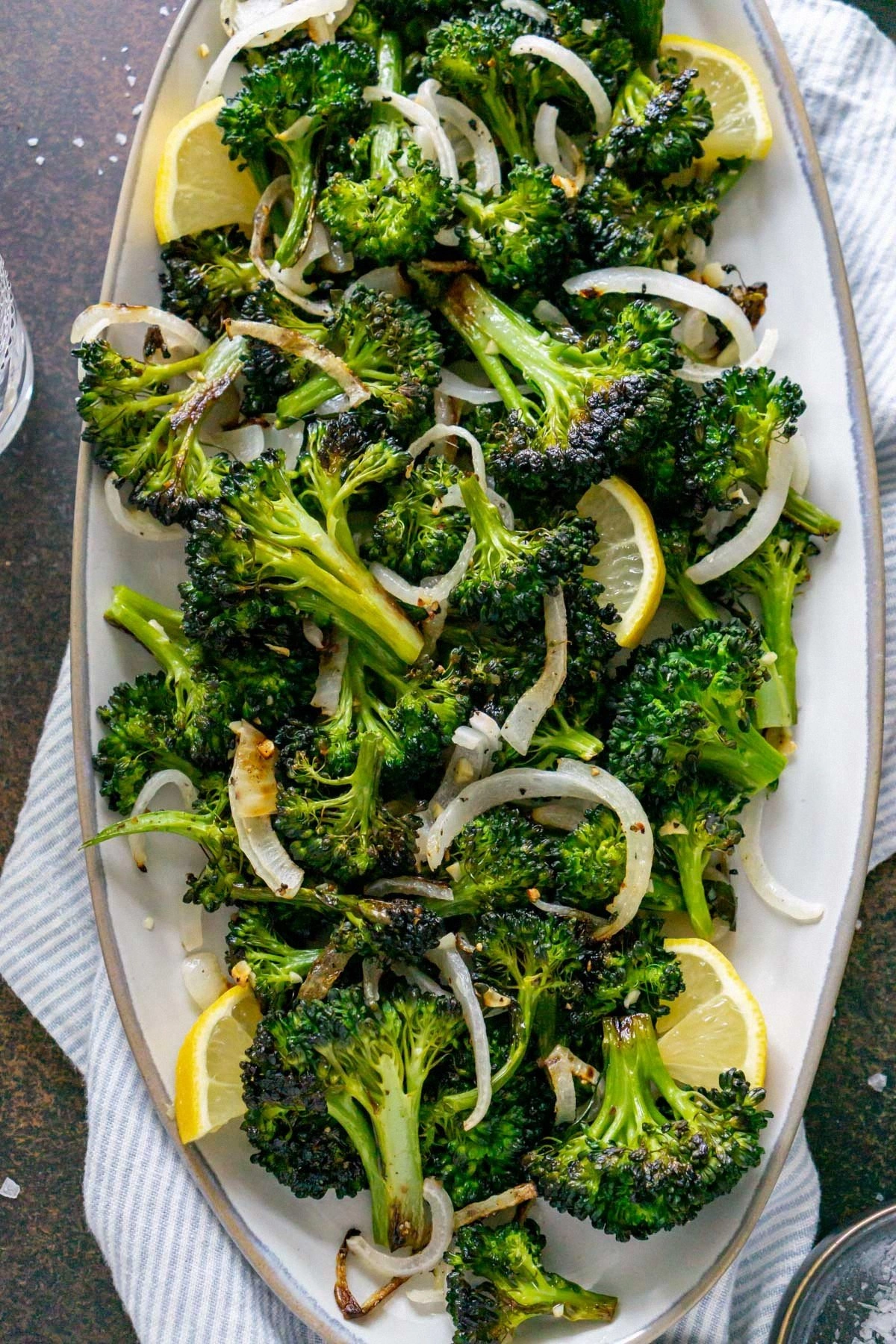
- Place the sheet in the preheated oven and roast for 12–15 minutes, or until the broccolini is tender and the edges start to turn golden brown. Halfway through, give the pan a gentle shake or use a spatula to turn the veggies, ensuring even browning. Watch the color; it should look like a bright, caramelized green.
- Remove the pan from the oven and sprinkle the shredded Asiago cheese evenly over the hot vegetables. Return to the oven for an additional 3–4 minutes, just until the cheese melts into a golden, bubbly coating. The cheese will cling to the broccolini, creating a decadent finish.
- Once the cheese is melted, remove the sheet from the oven and immediately squeeze fresh lemon juice over the vegetables. The acidity will brighten the dish and cut through the richness of the cheese and oil, balancing the flavors perfectly.
- Give the dish a quick toss to distribute the lemon juice and any melted cheese that might have settled. This final mix ensures every bite has a burst of citrusy brightness and a creamy texture from the Asiago.
- Transfer the roasted broccolini to a serving platter and garnish with a few extra lemon wedges if desired. The visual appeal of the bright green with golden edges and a sprinkle of cheese is a feast for the eyes before the first bite.
- Serve immediately while the broccolini is still warm and the cheese is gooey. The dish pairs wonderfully with grilled chicken, steak, or a simple quinoa salad. The contrast between the warm, crispy vegetables and the cool protein or grain creates a balanced plate.
- If you’re planning ahead, let the dish cool slightly before storing. Place the leftovers in an airtight container and refrigerate for up to 3 days. When reheating, a quick blast in the oven at 350°F (175°C) for 5 minutes will restore crispness.
- Remember, the cheese may harden when cooled, so reheat gently to prevent it from becoming rubbery. A gentle stir before serving will help redistribute the melted cheese and bring back that silky texture.
That's it — you did it. But hold on, I've got a few more tricks that'll take this to another level…
Insider Tricks for Flawless Results
The Temperature Rule Nobody Follows
Many people roast at 400°F, but 425°F (220°C) is the sweet spot for broccolini. The higher temperature caramelizes the sugars in the vegetable without drying it out. If you’re using a lower temperature, add a splash of water to the pan to create steam, which helps keep the stems crisp. This trick ensures a consistent texture across the entire batch.
Why Your Nose Knows Best
Close your eyes and sniff the pan halfway through roasting. If you smell a faint, sweet aroma with a hint of garlic, you’re on the right track. If it smells burnt or too oily, lower the heat or remove the pan for a minute. Your nose is a reliable guide to prevent over‑cooking.
The 5-Minute Rest That Changes Everything
After roasting, let the broccolini rest for 5 minutes before serving. This pause allows the steam to redistribute, making the vegetable tender without compromising the crisp edges. It also lets the cheese settle into a smooth coating. Skipping this rest can leave the dish feeling rushed.
The Quick Toss for Even Flavor
Use a large spoon or spatula to toss the vegetables halfway through cooking. This simple motion ensures even browning and prevents any single area from becoming too dark. A quick toss also helps the oil coat every surface, amplifying flavor.
The Lemon Finish
Squeeze the lemon juice right before serving; the acidity will brighten the dish instantly. If you prefer a more pronounced citrus note, add a thin slice of lemon on top as a garnish. The lemon also helps balance the richness of the Asiago cheese.
Creative Twists and Variations
This recipe is a playground. Here are some of my favorite ways to switch things up:
Mediterranean Medley
Add chopped kalamata olives, sun‑dried tomatoes, and a drizzle of balsamic glaze to the roasted mix. The olives bring briny depth, while the tomatoes add sweetness. Finish with a sprinkle of feta cheese for a tangy finish. This variation is perfect for a Greek-inspired dinner.
Asian Fusion
Replace the garlic powder with a teaspoon of toasted sesame oil and sprinkle toasted sesame seeds on top. Toss the broccolini with a splash of soy sauce and a dash of rice vinegar before roasting. The result is a savory, nutty dish that pairs well with rice or noodles.
Spicy Cajun Kick
Swap the red pepper flakes for a tablespoon of Cajun seasoning. Add a handful of chopped jalapeños for an extra bite. Top with a sprinkle of grated Parmesan instead of Asiago for a sharper finish. This version is ideal for those who love bold, spicy flavors.
Cheesy Broccoli Casserole
After roasting, transfer the broccolini to a baking dish. Sprinkle with a generous amount of shredded mozzarella and bake at 375°F (190°C) until bubbly. The melted cheese will create a creamy layer that coats every bite. This is a comforting twist for cooler evenings.
Herb‑Infused Delight
Add fresh rosemary, thyme, and oregano to the oil mixture. These herbs infuse the broccolini with aromatic flavors that elevate the dish. Finish with a squeeze of lemon and a sprinkle of pine nuts for crunch. This variation is ideal for a rustic, herb‑loving crowd.
Vegan Version
Use a plant‑based cheese that melts well, such as a vegan mozzarella or nutritional yeast. Replace the olive oil with a light drizzle of coconut oil for a subtle tropical note. The result is a creamy, dairy‑free dish that still delivers on flavor.
Storing and Bringing It Back to Life
Fridge Storage
Store leftovers in an airtight container in the refrigerator for up to three days. The broccolini may lose some crispness, but it remains flavorful. Keep the cheese separate if you prefer to add it fresh when reheating.
Freezer Friendly
Freeze the roasted broccolini in a single layer on a baking sheet before transferring to a freezer bag. This prevents clumping and allows you to thaw only what you need. Reheat in the oven at 350°F (175°C) for 10 minutes, or until warmed through.
Best Reheating Method
When reheating, add a splash of water or broth to the pan to create steam, which helps keep the broccolini tender. Finish with a light drizzle of olive oil and a sprinkle of fresh herbs to restore freshness. Reheat just until heated through; over‑cooking will ruin the texture.