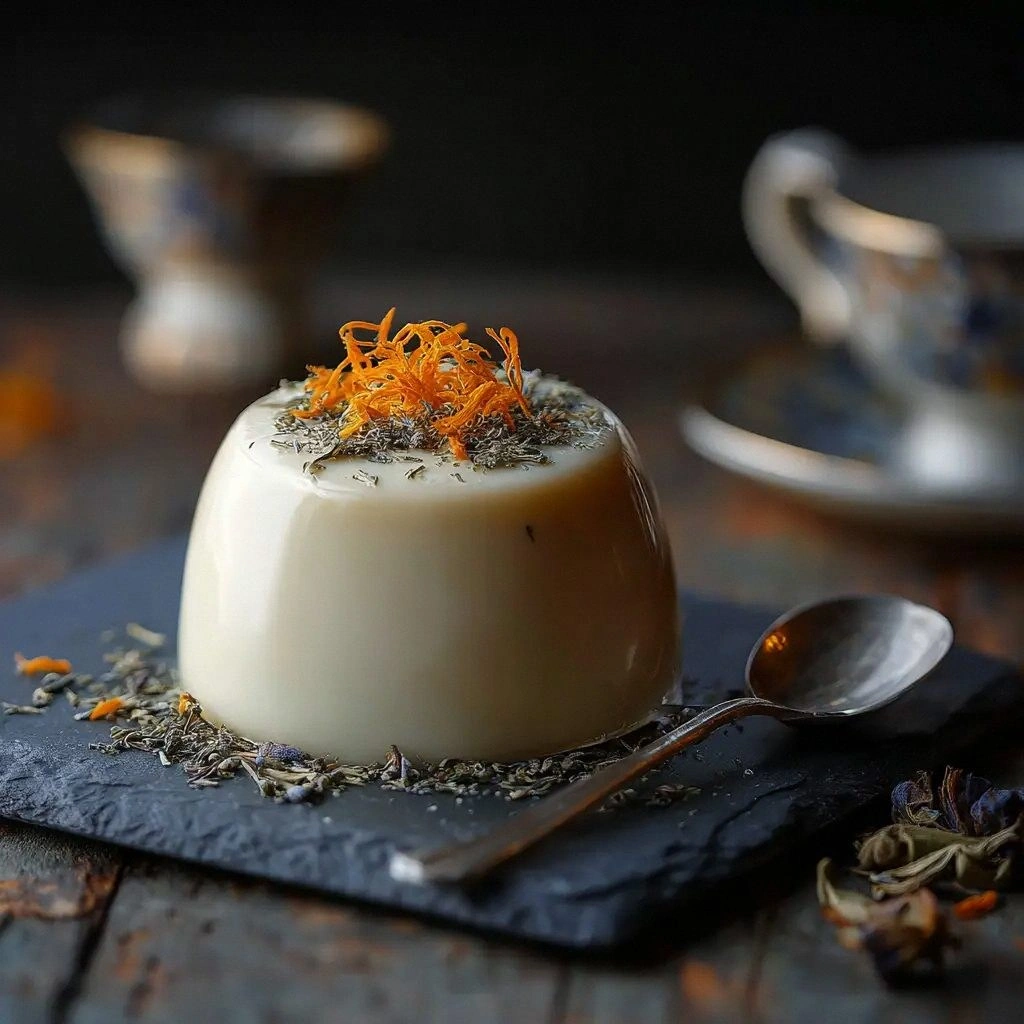
I remember that night like it was yesterday. My friend dared me to make the most decadent dessert using only what we had in the pantry, and I was ready to prove that a simple tea bag could be the star of the show. The kitchen smelled of burnt sugar and the faint citrus of orange peels, while my phone buzzed with frantic texts about the timing of the gelatin. I stared at the clock, feeling the weight of the challenge, and decided that Earl Grey Panna Cotta was the perfect answer. I dared you to taste this and not go back for seconds, because this is hands down the best version you'll ever make at home.
Picture yourself pulling this out of the fridge, the whole kitchen smelling incredible, and the glassy surface shimmering like a calm lake. The first bite melts on your tongue, releasing a burst of bergamot that lingers, followed by the velvety cream that coats your palate like a silk scarf. I’ll be honest — I ate half the batch before anyone else got to try it — but that’s the sign you’re onto something extraordinary. Most recipes get this completely wrong, but here’s what actually works: a precise gelatin bloom, a controlled heat, and a final chill that lets the flavors marry. If you’ve ever struggled with a custard that turns out rubbery, you’re not alone — and I’ve got the fix. Stay with me here — this is worth it.
The beauty of this recipe lies in its simplicity and the way each ingredient speaks to the other. The tea bags infuse a bright, floral note that cuts through the richness of the cream. The vanilla adds depth without overpowering, while a pinch of salt sharpens the overall profile. Gelatin gives it that silky structure that feels almost liquid, but sets firm enough to hold its shape. The whole process is short, the taste is sophisticated, and the presentation is elegant enough to wow a crowd. I’ve spent hours tweaking ratios and timing, and the result is a dessert that feels both indulgent and comforting. This is the kind of dish that turns an ordinary dinner into a memorable celebration.
Let me walk you through every single step — by the end, you’ll wonder how you ever made it any other way. I’ve kept the recipe in a single pot, so cleanup is a breeze, and I’ve added a few secret tricks that will elevate the flavor to new heights. The next section will break down what makes this version stand out, and then we’ll dive into the ingredients that give it character. Keep an eye out for the highlight boxes; they’re packed with hacks that save time and avoid common pitfalls. Ready? Let’s get started.
What Makes This Version Stand Out
- Flavor Depth: The combination of Earl Grey tea and vanilla creates a layered taste that feels both citrusy and sweet, unlike a plain cream dessert.
- Texture: Gelatin is bloomed properly to give a silky mouthfeel that’s firmer than mousse but softer than a traditional pudding.
- Visual Appeal: The translucent glaze looks like liquid glass, making it a showstopper for any occasion.
- Make‑Ahead: Chill for at least four hours, so you can prepare it the night before and serve it fresh.
- Ingredient Quality: Using high‑fat heavy cream and whole milk ensures richness without the heaviness of butter.
- Simple Method: No whisking, no beating; just heat, steep, and set.
- Versatility: It pairs beautifully with citrus compotes, berries, or a dusting of crushed biscotti.
- Crowd Reaction: Guests often ask for the recipe after the first bite, making it a conversation starter.
Inside the Ingredient List
The Flavor Base
The heavy cream and whole milk form the silky canvas of this dessert. Heavy cream contributes fat that gives body and a luscious mouthfeel, while whole milk balances the richness with a slightly lower fat content. Together they create a base that is smooth enough to hold the gelatin and yet light enough to let the tea’s aroma shine through. Skipping the milk would make the texture too dense and mute the citrus notes. If you’re lactose intolerant, you can substitute oat milk, but expect a lighter, slightly sweeter outcome.
The Texture Crew
Gelatin powder is the secret agent that turns liquid into a firm yet melt-in-your-mouth custard. It’s crucial to bloom the gelatin in cold water to activate its gelling properties; this step prevents clumps and ensures an even texture. The 3 tablespoons of cold water are enough to hydrate the 2 1/2 teaspoons of gelatin, giving the mixture a smooth consistency. If you forget to bloom, the gelatin may not set properly, leading to a runny or rubbery dessert. For a vegan version, use agar‑agar, but the setting time will differ.
The Unexpected Star
Earl Grey tea bags bring a bright, citrusy bergamot flavor that elevates the cream to something truly special. The tea’s natural oils dissolve into the warm milk, releasing a fragrance that feels like a summer afternoon. The 4 tea bags are steeped for 5 minutes; too long and the bitterness will dominate, too short and the flavor will be faint. If you prefer a stronger tea flavor, add an extra bag, but adjust the sugar slightly to balance the bitterness.
The Final Flourish
Vanilla extract and a pinch of salt are the finishing touches that round out the flavor profile. Vanilla adds a warm, sweet undertone that complements the tea, while salt sharpens the overall taste and balances the sweetness of the sugar. The 1 teaspoon of vanilla is enough to permeate the mixture without overpowering the delicate tea notes. If you’re using a high‑quality vanilla bean, you can scrape the seeds instead of using extract for an even richer aroma.
Everything's prepped? Good. Let's get into the real action...
The Method — Step by Step
- Bloom the gelatin: In a small bowl, pour 3 tablespoons of cold water. Sprinkle 2 1/2 teaspoons of gelatin powder over the surface and let it sit for 5 minutes. This allows the gelatin to absorb water and swell, preventing clumps when added to the hot mixture. While the gelatin blooms, set a saucepan on low heat and pour in the 2 cups of heavy cream and 1 cup of whole milk. Warm gently, stirring occasionally, until the mixture is just about to simmer.
- Steep the tea: Remove the saucepan from the heat and add 4 Earl Grey tea bags. Cover and let steep for 5 minutes. The tea will infuse the cream with a fragrant bergamot essence. If you’re a tea lover, feel free to taste the liquid; it should have a bright citrus note without bitterness. After steeping, carefully remove the tea bags, pressing them against the side of the pot to squeeze out any remaining liquid. This step ensures you capture every drop of flavor.
- Combine and sweeten: Return the saucepan to low heat and stir in 1/2 cup of granulated sugar. The sugar should dissolve completely, giving the custard a smooth sweetness. Add 1 teaspoon of vanilla extract, which will mingle with the tea’s citrus to create a complex aroma. Keep the heat low to avoid boiling, which could denature the gelatin and cause the mixture to curdle.
- Incorporate the gelatin: Once the sugar has dissolved, pour the bloomed gelatin into the warm custard. Stir continuously until the gelatin is fully dissolved and the mixture is uniform. You’ll notice the mixture thickening slightly, signaling that the gelatin is doing its job. This is the moment of truth; the texture should feel silky, not gritty.
- Season: Add 1/8 teaspoon of salt to the custard. The salt may seem insignificant, but it lifts the overall flavor and balances the sweetness. Taste the mixture; it should have a harmonious profile with a hint of citrus and a creamy undertone. If you prefer a sweeter dessert, reduce the salt slightly, but be careful not to compromise the balance.
- Cool the custard: Transfer the mixture to a heat‑proof bowl or a measuring cup. Let it cool to room temperature, then cover and refrigerate for at least 30 minutes. This cooling period allows the gelatin to set and the flavors to meld. The custard should look translucent and slightly opaque, like a fine glass.
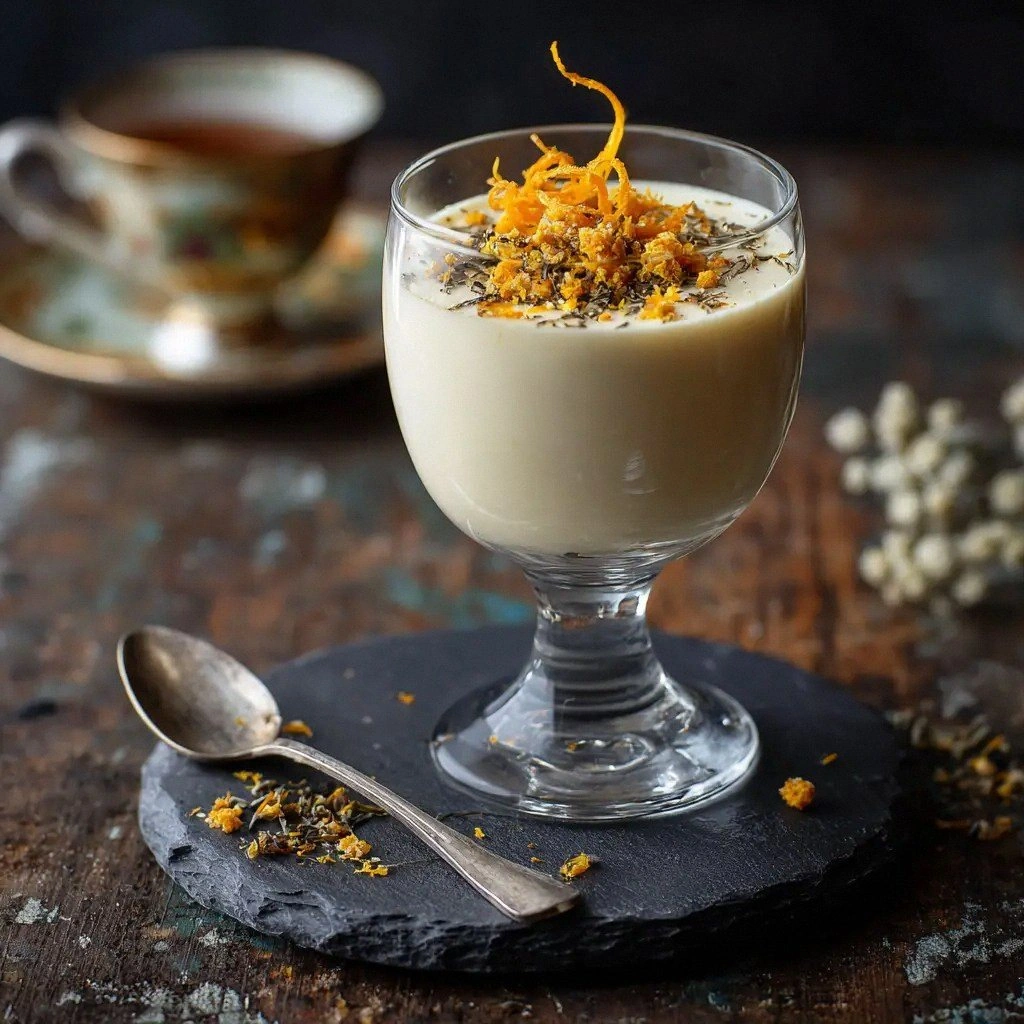
- Pour into molds: Once chilled, pour the custard into individual serving glasses or a larger mold. If using a mold, slice into portions before serving. The custard will begin to firm up after 15 minutes, but for best results let it set for at least 2 hours or overnight. This ensures a firm yet creamy bite that melts on the tongue.
- Serve and garnish: Just before serving, dust the top with a pinch of finely grated citrus zest or a few crushed biscotti crumbs. If you like a touch of sparkle, add a drizzle of caramel or a splash of citrus liqueur. The final presentation should look polished yet effortless, inviting guests to indulge in the silky texture and fragrant aroma.
That’s it — you did it. But hold on, I've got a few more tricks that'll take this to another level. Keep reading, and let’s dive into insider tips that will make your panna cotta flawless every single time.
Insider Tricks for Flawless Results
The Temperature Rule Nobody Follows
Maintaining the right temperature throughout the process is crucial. The custard should never exceed 180°F (82°C) once the gelatin is added, otherwise the gelatin will break down and the dessert will be loose. Use a kitchen thermometer to monitor the heat, and if you see the mixture starting to bubble, remove it immediately. I once let a pot boil for a full minute, and the result was a rubbery mess that nobody could finish. The fix? Reduce the heat, stir constantly, and keep a close eye on the temperature.
Why Your Nose Knows Best
Smell is a powerful indicator of flavor development. As the tea steeps, you should detect a bright citrus aroma that lifts the entire mixture. If the scent is faint, let the tea steep a bit longer, but avoid oversteeping to prevent bitterness. The same applies when cooling: a fragrant custard will smell like a summer garden, while a flat one will have a dull, milk‑like odor. Trust your nose; it will tell you if something needs adjustment.
The 5-Minute Rest That Changes Everything
After pouring the custard into molds, let it rest at room temperature for 5 minutes before refrigerating. This brief pause allows the surface to set slightly, creating a smooth top that’s perfect for garnishing. Skipping this step can lead to a rough surface that looks unprofessional. I’ve seen people skip it because they’re in a hurry, but the extra 5 minutes is worth the visual payoff.
Keep It Cool, Not Frozen
When refrigerating, place the custard in a shallow dish to ensure even cooling. If you store it in a deep container, the center may take longer to set, resulting in a slightly runny core. I’ve learned to slide a chilled plate under the custard to help it set faster and evenly. This trick also prevents condensation from forming on the surface, which can mar the glossy finish.
Serve with a Splash of Citrus
A small drizzle of fresh lemon or orange juice before serving adds a bright contrast to the sweet custard. The acidity cuts through the richness, creating a balanced bite that feels light. If you’re serving a crowd, consider making a small citrus coulis to pour over the top; it’s an elegant touch that elevates the dish.
Creative Twists and Variations
This recipe is a playground. Here are some of my favorite ways to switch things up:
Rose‑Infused Panna Cotta
Swap the Earl Grey for a few drops of rose water and replace the vanilla with a splash of almond extract. The floral note pairs beautifully with a raspberry coulis, giving a romantic vibe perfect for a special dinner.
Chocolate‑Berry Fusion
Add a tablespoon of cocoa powder to the custard for a mocha twist. Top with fresh strawberries and a dusting of cocoa nibs. The chocolate depth balances the bright tea flavor, creating a dessert that satisfies both sweet and savory palates.
Spiced Citrus Panna Cotta
Introduce a pinch of ground ginger or cinnamon to the mixture for a warm, aromatic profile. Pair with a spiced orange glaze that includes a splash of orange liqueur. This variation is perfect for autumn gatherings.
Almond‑Lemon Panna Cotta
Replace the vanilla with almond extract and add a tablespoon of almond milk. Finish with a lemon zest crumble on top. The nutty undertone and citrus brightness make this version especially refreshing.
Berry‑Bergamot Sorbet
Blend the custard with fresh blueberries before chilling. Freeze the mixture in a loaf pan to create a frozen dessert that’s lighter yet still carries the tea’s signature aroma.
Herbal Garden Panna Cotta
Infuse the milk with a handful of fresh mint leaves and a splash of basil. After setting, top with a drizzle of honey and a sprinkle of crushed pistachios. This green, herbal take is a delightful surprise for guests.
Storing and Bringing It Back to Life
Fridge Storage
Store the panna cotta in a sealed container in the refrigerator for up to 3 days. The gelatin will keep the custard firm, but the flavors will mellow slightly over time. To refresh the aroma, add a splash of fresh tea or citrus before serving.
Freezer Friendly
For longer storage, freeze the custard in a freezer‑safe container for up to 2 weeks. Thaw overnight in the refrigerator before serving. The texture may become slightly softer, but the flavor remains intact.
Best Reheating Method
To revive a frozen or chilled panna cotta, place the container in a bowl of warm water for 10 minutes. Add a tiny splash of water to the custard before reheating to help it steam back to perfection. Avoid microwaving; the heat can cause the custard to split and lose its silky texture.