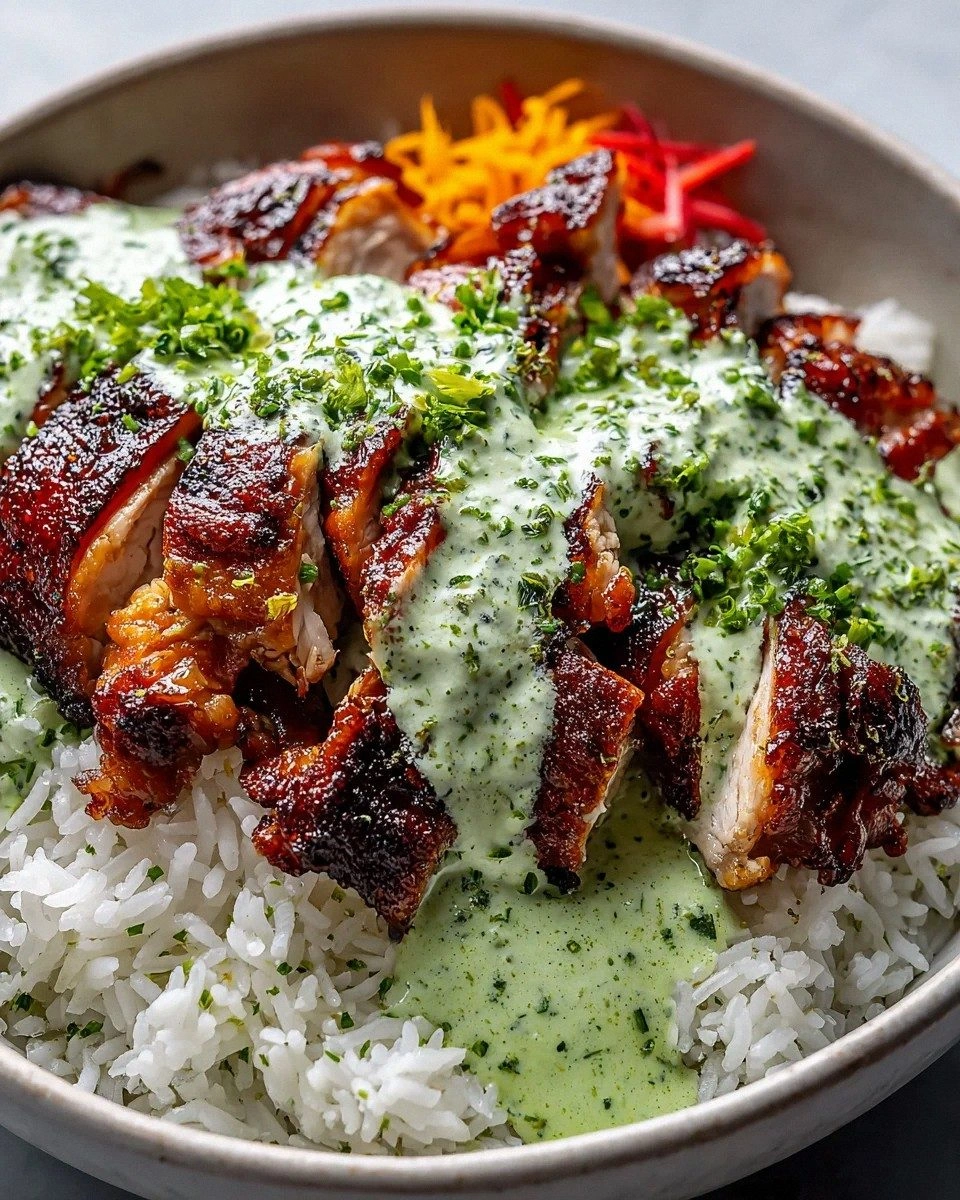
Picture this: it's 11:47 PM on a Tuesday night, and I'm standing in my kitchen in mismatched socks, frantically googling "what to do with chicken that's not boring" while my stomach growls loud enough to wake the neighbor's cat. Been there? I thought so. That's exactly how this glorious Peruvian chicken and rice situation was born out of pure hunger-fueled desperation, and let me tell you — it was love at first bite. The moment those aromatic spices hit the hot oil, my entire apartment transformed into what I can only describe as a tiny Lima street market, minus the tourists and plus my cat judging me from the countertop.
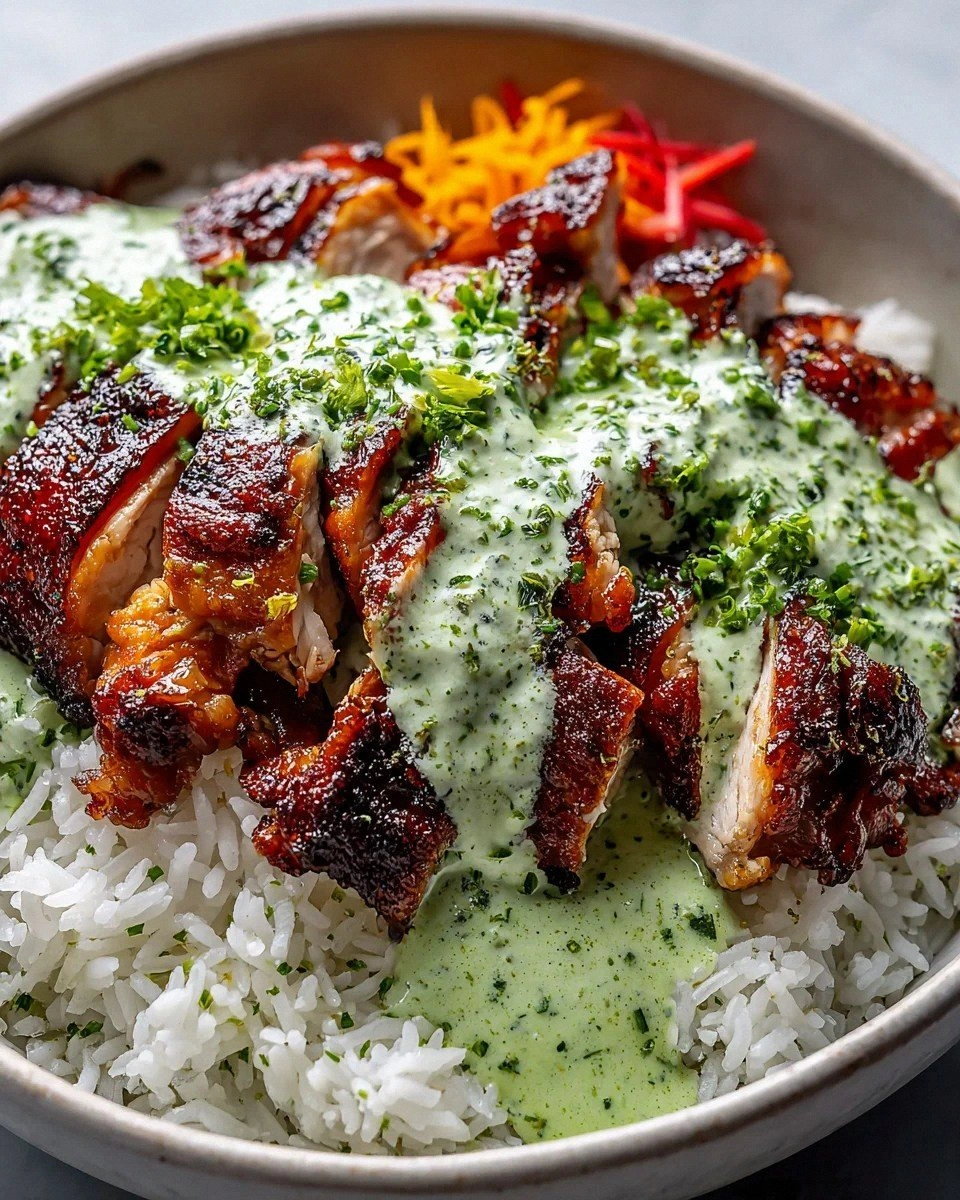
Now, I've made plenty of "arroz con pollo" variations before, but none of them ever made me do a little victory dance in my kitchen at midnight. This version? This one's different. We're talking about tender chicken chunks that soak up a flavor bomb of cumin, paprika, and just enough turmeric to make it look like sunshine on a plate. The rice cooks right in the same pot, drinking up all those gorgeous chicken juices until each grain becomes a tiny flavor vessel. And that green sauce — oh, that green sauce — is basically liquid gold that you'll want to put on everything from eggs to your morning toast (no judgment).
Here's the thing: most recipes get this completely wrong. They treat the rice like an afterthought, boil the chicken into submission, and somehow manage to make everything taste like cardboard despite using decent ingredients. Not on my watch. This recipe respects every component, builds layers of flavor like you're constructing the world's most delicious skyscraper, and delivers that restaurant-quality result that'll make your friends think you've been secretly taking cooking classes. I dare you to taste this and not go back for seconds — actually, I double dare you.
The secret weapon? We're not just cooking chicken and rice separately like some kind of kitchen amateur. We're building a flavor foundation that would make a Peruvian grandmother nod approvingly, then we're finishing with fresh lime juice and cilantro that makes the whole dish sing. Picture yourself pulling this out of the oven, the whole kitchen smelling incredible, and suddenly you're the person who can make restaurant-quality Peruvian food at home. Stay with me here — this is worth it.
Let me walk you through every single step — by the end, you'll wonder how you ever made it any other way.
What Makes This Version Stand Out
- One-Pot Wonder: Everything cooks together in a single pot, which means less dishes and more flavor as the rice absorbs every drop of that incredible chicken essence. The rice doesn't just sit there being boring — it becomes a flavor carrier that transports all those beautiful spices right to your taste buds.
- The Spice Balance: Cumin brings earthiness, paprika adds subtle sweetness and gorgeous color, while turmeric provides that golden glow that makes this dish look like edible sunshine. Most recipes either go too timid or way overboard — we've found the sweet spot that makes people ask for the recipe before they've even finished chewing.
- Texture Paradise: Tender chicken chunks, perfectly cooked rice with just enough bite, pops of sweetness from peas, and that fresh crunch from bell peppers. Every spoonful gives you something different to love, and nobody at your table will be picking out ingredients they don't like.
- Green Sauce Game-Changer: This isn't just any green sauce — it's a creamy, herby, slightly spicy condiment that elevates everything it touches. I'll be honest — I ate half the batch before anyone else got to try it, and I'm not even slightly sorry about it.
- Weeknight Friendly: From fridge to table in under 45 minutes, with ingredients you can find at any grocery store. No hunting for obscure items or spending your entire evening chained to the stove. If you've ever struggled with weeknight dinners, you're not alone — and I've got the fix.
- Leftover Gold: This actually gets better overnight as the flavors mingle and deepen. Tomorrow's lunch will be the highlight of your workday, and your coworkers will definitely be asking what smells so amazing in the break room microwave.
Alright, let's break down exactly what goes into this masterpiece...
Inside the Ingredient List
Every ingredient in this recipe earns its place, and understanding why each one matters will make you a better cook overall. We're not just throwing things together willy-nilly here — each component has been carefully selected to create a symphony of flavors that'll make your taste buds dance the marinera. The beauty of this dish lies in how simple ingredients transform into something extraordinary when combined with the right techniques and timing.
The Flavor Foundation
Olive oil isn't just a cooking fat here — it's the carrier that helps bloom the spices and create a flavor base that'll make your kitchen smell like a tiny corner of Lima. When you heat the oil with the spices, something magical happens: the cumin releases its earthy perfume, the paprika adds a subtle sweetness, and the turmeric provides that gorgeous golden color that makes this dish look like it costs three times more than it actually does. Skip the olive oil and use something neutral, and you'll lose that fruity complexity that ties everything together.
The chicken is your canvas, and choosing the right cut makes all the difference. I prefer thighs because they stay juicy and forgiving even if you accidentally overcook them slightly — plus they're budget-friendly and pack more flavor than breast meat. Cut them into bite-sized chunks that'll cook quickly and evenly, giving you those perfect little morsels that soak up all the delicious sauce. If you absolutely must use breast meat, I won't judge you, but promise me you'll watch the timing like a hawk so it doesn't dry out and disappoint everyone.
The Aromatic All-Stars
Onion and garlic are the dynamic duo that form the backbone of countless amazing dishes, and this recipe is no exception. When you sauté them until they're soft and fragrant, they create a sweet, savory foundation that makes everything taste like it's been cooking for hours instead of minutes. Don't rush this step — let them get golden and caramelized around the edges, because that's where the real flavor magic happens. If you've ever wondered why restaurant food tastes better, it's often because they take the time to properly develop these aromatics.
Red bell pepper brings more than just pretty color to the party — it adds a fresh, slightly sweet crunch that contrasts beautifully with the tender chicken and rice. Dice it small enough that it cooks quickly but large enough that you can still identify it in the final dish. The slight char you get from sautéing it with the aromatics adds a subtle smokiness that makes people ask "what's that amazing flavor?" when they take their first bite.
The Rice Revolution
Long-grain rice is your best friend here because it stays fluffy and separate instead of turning into a starchy mess. Rinse it first to remove excess starch — I know it's an extra step, but trust me, the difference between rinsed and unrinsed rice is like the difference between a good hair day and waking up looking like you stuck your finger in an electrical outlet. The rice will absorb all those incredible flavors from the broth and spices, becoming something far more exciting than plain old white rice.
Chicken broth is where you can really make or break this dish. Use the good stuff — homemade if you've got it, or a high-quality store-bought version if you don't. Water is a sad substitute that'll leave your rice tasting like disappointment. The rice will drink up every drop of that broth, so make sure it's something you'd happily sip on its own. Low-sodium broth gives you control over the salt level, which is especially important since we're adding other salty elements later.
The Fresh Finishers
Frozen peas might seem like an afterthought, but they provide those little pops of sweetness that make each bite interesting. Plus, they add a beautiful green color that makes the dish look fresh and vibrant. Toss them in during the last few minutes of cooking so they stay bright and retain a slight bite — nobody wants mushy peas ruining their masterpiece. They're also packed with nutrients, which means you can feel slightly virtuous about eating what essentially tastes like comfort food.
Fresh cilantro and lime juice are your final flourish — they brighten everything up and add that fresh, zesty note that makes this dish taste like it came from a restaurant rather than your home kitchen. Add them right at the end so the cilantro stays vibrant and the lime juice doesn't cook off and lose its punch. If you're one of those people who think cilantro tastes like soap (sorry, it's genetic), substitute with fresh parsley — but know that you're missing out on what makes this dish distinctly Peruvian in character.
Everything's prepped? Good. Let's get into the real action...
The Method — Step by Step
-
Heat your olive oil in a large, heavy-bottomed pot or Dutch oven over medium-high heat until it shimmers like a mirage on a hot summer day. You want it hot enough that a piece of chicken will sizzle enthusiastically when it hits the pan, but not so hot that it smokes like it's trying to signal the fire department. This is the moment of truth where we start building flavor, so don't rush it. While the oil heats up, toss your chicken chunks with the cumin, paprika, turmeric, salt, and pepper in a bowl until every piece is evenly coated in this beautiful spice blend that smells like it's been transported straight from a Peruvian market.
-
Carefully add the spiced chicken to the hot oil in a single layer — resist the urge to crowd the pan or you'll end up steaming instead of searing, and nobody wants sad, gray chicken. Let it cook undisturbed for about 3-4 minutes until the bottom develops a gorgeous golden-brown crust. That sizzle when it hits the pan? Absolute perfection. Flip the pieces and sear the other side for another 3 minutes. The chicken doesn't need to be cooked through yet since it'll finish cooking with the rice, but those browned bits on the bottom of the pan are liquid gold that'll flavor everything else.
-
Remove the chicken to a plate and set it aside — don't you dare wash that pot! Those browned bits stuck to the bottom are flavor bombs that'll make your rice taste like it's been blessed by a Peruvian grandmother. Add your chopped onion to the same pot and reduce the heat to medium. Cook, stirring occasionally, until the onion turns translucent and starts to take on some golden color around the edges, about 5 minutes. The smell should be making you hungry enough to consider eating the onions straight from the pot, but resist — better things are coming.
-
Add the minced garlic and diced red bell pepper to the pot and cook for another 2-3 minutes until everything smells incredible and the pepper has softened slightly but still retains some crunch. Don't walk away from the stove here — garlic can go from perfect to bitter and burnt faster than you can say "arroz con pollo." The mixture should smell fragrant and slightly sweet, with the bell pepper adding beautiful flecks of color throughout. This is where your kitchen starts to smell like you know what you're doing, even if you're just following instructions like the rest of us.
-
Add the rice to the pot and stir it around for about 2 minutes until each grain is coated in the oil and spices and starts to look slightly translucent around the edges. This step is crucial — it helps the rice cook up fluffy and separate instead of turning into a starchy mess that would disappoint everyone involved. The rice should make a satisfying scraping sound against the bottom of the pot and start to smell slightly nutty. This is next-level rice cooking that separates the amateurs from the pros.
-
Pour in the chicken broth and give everything a good stir, scraping up all those beautiful browned bits from the bottom of the pot. Return the seared chicken (and any juices that collected on the plate — that stuff is pure flavor) to the pot and bring everything to a boil. Once it's bubbling away, reduce the heat to low, cover the pot tightly, and let it simmer for 15 minutes. During this time, resist the urge to lift the lid and check — you're trapping steam that's cooking your rice perfectly, and every peek releases precious moisture.
-
After 15 minutes, quickly lift the lid and scatter the frozen peas over the top — don't stir them in yet, just let them sit on top where they'll steam in the residual heat. Replace the lid immediately and let everything rest off the heat for 5 more minutes. This is the magic moment where the rice finishes cooking in its own steam and the peas heat through without turning into mush. The rice should have absorbed most of the liquid and be tender but still have a slight bite to it.
-
Remove the lid and fluff everything gently with a fork — this separates the rice grains and distributes the peas throughout. Add the chopped cilantro and a generous squeeze of lime juice, then give everything one final gentle stir. The cilantro should immediately make the dish smell fresh and bright, while the lime juice adds that essential acidic kick that makes all the other flavors pop. Take a taste and adjust the seasoning if needed — you might want more salt, pepper, or lime juice depending on your preference. Serve it up immediately while it's hot and fragrant, preferably with that incredible green sauce on the side that we'll make while the rice is cooking.
That's it — you did it. But hold on, I've got a few more tricks that'll take this to another level...
Insider Tricks for Flawless Results
The Temperature Rule Nobody Follows
Most people cook rice at too high a temperature, which results in burnt bottom layer and undercooked top layer. The secret is starting with a gentle boil, then immediately reducing to the lowest possible heat once you put the lid on. Your rice should barely whisper, not furiously bubble away like it's trying to escape the pot. If you can hear it enthusiastically boiling away, your heat is too high and you'll end up with a layer of rice that's more suitable for building houses than eating. A friend tried skipping this step once — let's just say it didn't end well for her pot or her dinner plans.
Why Your Nose Knows Best
Trust your senses throughout this cooking process — they are your most reliable kitchen tools. When the spices hit the oil, you should immediately smell their fragrance blooming; if you smell nothing, your oil isn't hot enough. If you smell burning, it's too hot and you need to start over before you ruin the whole dish. The same goes for the garlic — when it's perfectly cooked, your kitchen will smell like you've been transported to a Peruvian grandmother's kitchen. If it smells sharp and acrid, you've gone too far and need to reduce the heat immediately.
The 5-Minute Rest That Changes Everything
That final rest after the rice is done cooking isn't optional — it's crucial for achieving the perfect texture. During this time, the rice grains finish absorbing any remaining moisture and the steam helps separate them rather than turning into a sticky mass. Think of it like letting a steak rest after cooking — it allows the moisture to redistribute evenly throughout. Skip this step and you'll have rice that's unevenly cooked and disappointingly wet in spots. Those five minutes are perfect for making your green sauce or setting the table, so you're not even wasting time.
The Chicken Size Secret
Cutting your chicken into the right size pieces makes all the difference between tender, juicy morsels and dry, overcooked disappointment. You're aiming for bite-sized pieces about 1-inch square — large enough that they won't overcook while the rice steams, but small enough that you get chicken in every spoonful. Too large and they'll be pink in the center when the rice is done; too small and they'll turn into stringy, dry little nuggets that nobody wants to eat. Take the extra minute to cut them uniformly, and your future self will thank you when every piece is perfectly cooked.
Creative Twists and Variations
This recipe is a playground. Here are some of my favorite ways to switch things up:
The Seafood Edition
Swap out the chicken for large shrimp and add them during the last 5 minutes of cooking instead of at the beginning. The shrimp will turn pink and curl up perfectly, absorbing all those beautiful spices without getting rubbery. Add a handful of diced tomatoes along with the peas for a coastal twist that tastes like you're eating dinner at a beachside restaurant in Lima. This version is lighter but still packed with all the flavors you love, and it comes together even faster since shrimp cook in minutes.
The Vegetarian Powerhouse
Replace the chicken with firm tofu that's been pressed and cubed, and use vegetable broth instead of chicken broth. Add a can of drained and rinsed chickpeas along with the rice for extra protein and texture. The spices work beautifully with the tofu, creating a vegetarian version that's so satisfying you won't miss the meat. I've served this to die-hard carnivores who asked for seconds, then looked shocked when I told them it was vegetarian.
The Heat Seeker's Dream
Add a diced jalapeño or serrano pepper along with the bell pepper for a spicy kick that builds slowly rather than overwhelming your palate. You can also stir in a teaspoon of aji amarillo paste if you can find it — it's a traditional Peruvian yellow pepper paste that adds authentic flavor and gentle heat. The green sauce becomes even more important here as its creamy coolness provides the perfect counterpoint to the spicy rice.
The Brown Rice Healthy Makeover
Use brown rice instead of white for a nuttier flavor and extra fiber, but increase the cooking time to 40 minutes and add an extra 1/4 cup of broth. Brown rice takes longer but gives you that satisfying chewiness and earthiness that pairs beautifully with the spices. The chicken stays tender throughout the longer cooking time, and you end up with a version that feels more substantial and keeps you full for hours.
The Leftover Transformation
Turn yesterday's Peruvian chicken and rice into arancini-style balls by mixing the cold rice with a beaten egg, forming into balls around a cube of cheese, rolling in breadcrumbs, and frying until golden. Serve with the green sauce for dipping, and suddenly leftovers become the most requested appetizer at your next party. This transformation is so good that I sometimes make extra rice just to have leftovers for this purpose.
The Breakfast Reinvention
Warm up leftover rice in a skillet, make little wells, and crack eggs right into them. Cover and cook until the eggs are set to your liking for a breakfast that'll make you excited to wake up early. The rice gets crispy on the bottom while the eggs steam on top, creating a perfect contrast of textures. Drizzle with the green sauce and you've got a breakfast that's infinitely better than boring old scrambled eggs.
Storing and Bringing It Back to Life
Fridge Storage
Let the rice cool completely before transferring it to an airtight container — warm rice in a sealed container creates the perfect breeding ground for bacteria that nobody wants to deal with. Store it in the refrigerator for up to 4 days, though I doubt it'll last that long once people discover how good it is. The green sauce should be stored separately in a sealed container where it'll keep for up to a week and actually improve as the flavors meld together. Pro tip: portion out single servings in smaller containers so you can grab and go for quick lunches throughout the week.
Freezer Friendly
This dish freezes beautifully for up to 3 months, making it perfect for meal prep or those nights when you can't even think about cooking. Freeze it in portion-sized containers so you can thaw exactly what you need without having to defrost the whole batch. The rice might be slightly softer after freezing and thawing, but the flavors remain incredible. To freeze, let it cool completely, then transfer to freezer-safe containers, leaving a little room at the top for expansion. Thaw overnight in the refrigerator for best results, though you can use the microwave defrost setting in a pinch.
Best Reheating Method
The key to reheating rice without turning it into a dry, sad mess is adding moisture back in. Add a tablespoon of water or chicken broth per cup of rice, cover loosely, and microwave for 2-3 minutes, stirring halfway through. The steam created by the added liquid helps rehydrate the rice and brings it back to its former glory. For stovetop reheating, add a splash of broth to a pan and heat gently, stirring occasionally, until heated through. Whatever you do, don't just microwave it plain — that's how you end up with rice that's hard on the outside and still cold in the middle.