Picture this: I was halfway through a weeknight dinner, juggling a pot of sautéed onions, a simmering sauce, and a stack of forgotten rice when disaster struck. The rice, meant to be fluffy and tender, had turned into a clumpy, dry mess that looked more like a rice sculpture than a side dish. I stared at the pot, heart sinking, and whispered to myself, “I can’t make this any other way.” That moment of culinary crisis became the spark that ignited my obsession with the perfect coconut rice pudding.
From the kitchen to the senses: The first aroma that hit me was the sweet, nutty perfume of toasted coconut flakes drifting from the pan. I could hear the gentle hiss of the milk as it simmered, a comforting soundtrack that promised something smooth and silky. The texture felt like a velvety blanket, each grain of Arborio rice absorbing the coconut milk as if they were old friends catching up over a warm drink. I tasted a spoonful and felt the subtle sweetness of sugar mingle with a whisper of vanilla, while the nutmeg added a gentle spice that lifted the entire dish. The final touch of mint left a fresh, green aftertaste that danced on my palate, reminding me that even comfort food can have a bright, invigorating edge.
Why this version is a game‑changer: I’ve tasted countless versions of rice pudding, but none of them have matched the creamy, aromatic depth of this recipe. The use of Arborio rice—known for its high starch content—creates a luscious, naturally thickened custard without any heavy cream or flour. The two cans of full‑fat coconut milk provide a rich, tropical flavor that feels indulgent yet surprisingly light. Sweetness is balanced perfectly with the natural sweetness of coconut and a dash of granulated sugar, so you don’t end up with a cloying dessert. The final flourish of fresh mint not only adds a pop of color but also cuts through the richness, giving the pudding a refreshing lift that keeps it from feeling heavy.
There’s a twist you won’t expect: While most recipes call for a simple simmer, I add a pinch of ground nutmeg early on to infuse the entire pot with warmth. The nutmeg’s subtle aroma becomes a secret backbone, elevating the dish from ordinary to extraordinary. I also fold in a handful of unsweetened coconut flakes halfway through cooking, which adds a delightful crunch and an extra burst of coconut flavor that keeps the texture interesting. This small tweak is the difference between a good pudding and a memorable one, and I dare you to taste this and not go back for seconds.
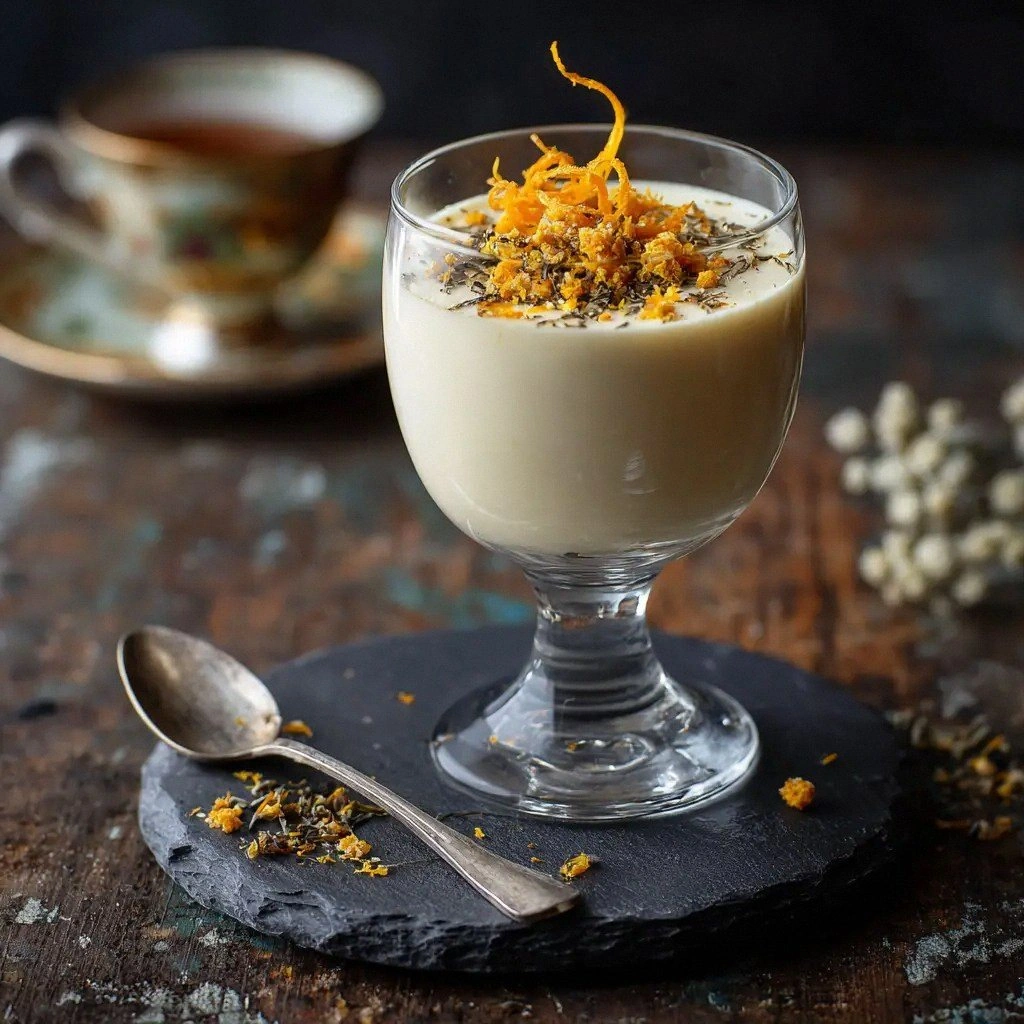
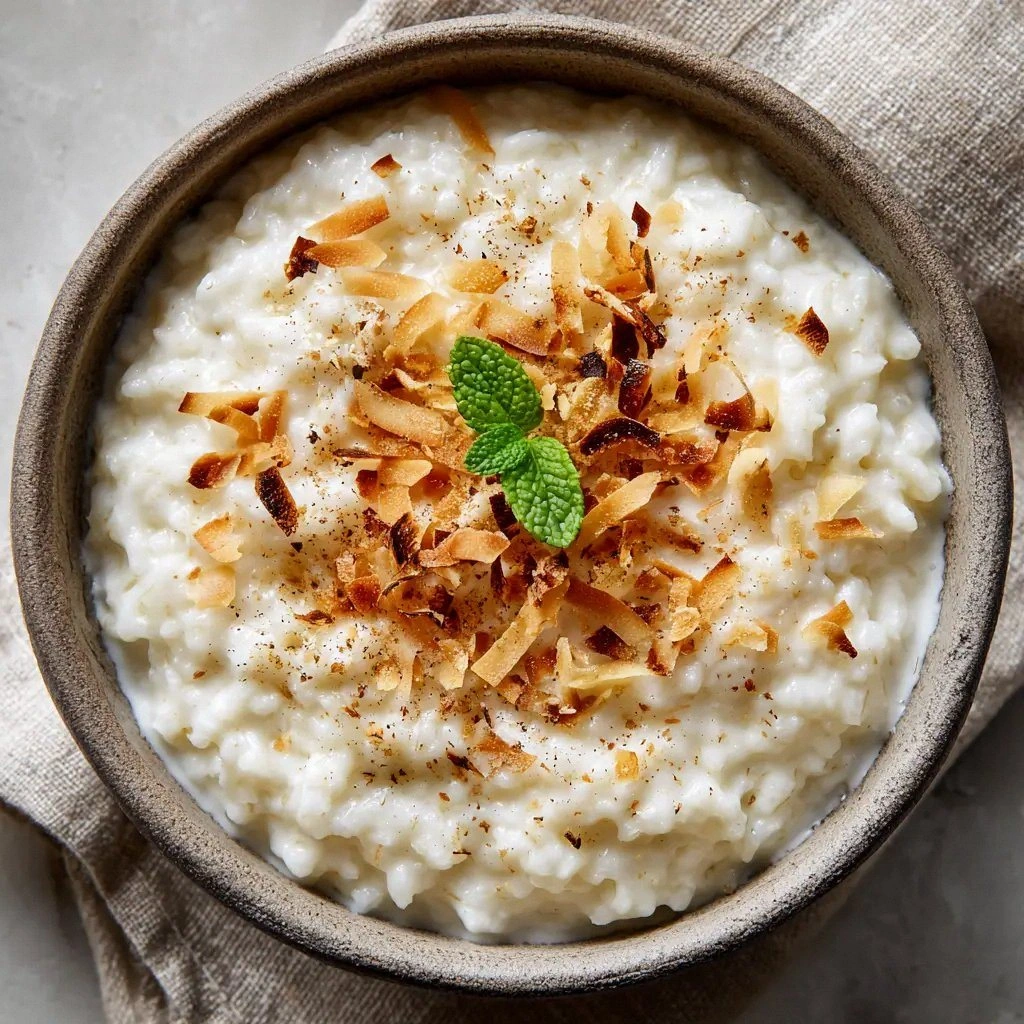
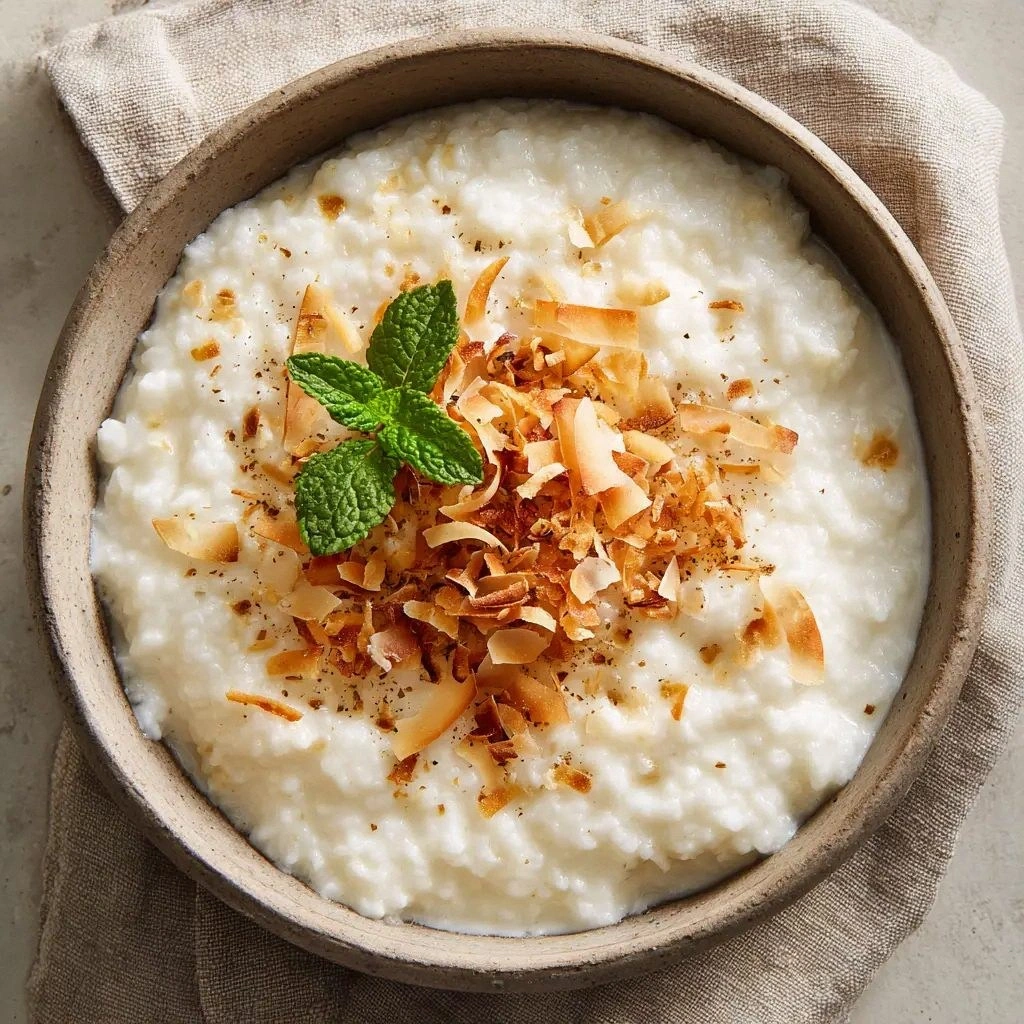
Picture yourself pulling this out of the pot: The kitchen fills with an irresistible scent of toasted coconut and vanilla, the kind of aroma that makes your mouth water before you even taste it. The pudding sits in a shallow dish, its surface shimmering with a subtle sheen of coconut milk, inviting you to scoop a spoonful and experience the silky texture that coats your tongue like velvet. The mint sprigs perched on top add a splash of green, a visual cue that this isn’t just another sweet treat—it’s a celebration of flavors. The moment you take a bite, the warmth of the nutmeg and the coolness of the mint mingle, creating a harmony that feels both comforting and adventurous.
If you’ve ever struggled with rice pudding: you’re not alone. The trick is mastering the balance between the rice’s natural starch and the milk’s richness. Too much heat and the rice will overcook and become mushy; too little and the pudding will stay watery. The secret lies in slow, steady simmering and constant stirring—think of it as a gentle dance where each ingredient knows its cue. I’ve perfected this rhythm through countless trials, and now I’m ready to share every move with you.
Let me walk you through every single step — by the end, you’ll wonder how you ever made it any other way.
What Makes This Version Stand Out
- Texture: The Arborio rice releases starch that thickens the coconut milk into a custard-like consistency without any added thickeners. This natural thickening means the pudding remains silky, not gummy. The result is a mouth‑feel that feels luxurious yet light, a rare balance in dessert recipes. It’s the difference between a heavy pudding and a cloud‑like dessert that melts on your tongue.
- Flavor Depth: The combination of full‑fat coconut milk, vanilla extract, and nutmeg creates a layered flavor profile that sings. The coconut milk’s richness is tempered by the subtle spice of nutmeg, while vanilla adds a warm, comforting note. This depth means you don’t need extra sweeteners or flavor boosters—everything works together naturally.
- Ingredient Quality: Using only a few high‑quality ingredients lets each one shine. Full‑fat coconut milk delivers a creamy mouthfeel, while fresh mint provides a bright, aromatic counterpoint. The quality of the rice matters too—Arborio is chosen for its starch content, which is essential for the pudding’s signature texture.
- Simplicity: With just nine ingredients and a straightforward method, this recipe is approachable for beginners and a quick comfort dish for seasoned cooks. No fancy equipment or complicated techniques are required. The only step that might feel intimidating is the constant stirring, but it’s easy to master.
- Make‑Ahead Potential: The pudding can be prepared up to two days in advance, making it an excellent dessert for gatherings or a quick treat after work. The flavors actually deepen over time, giving you a richer taste when reheated. This convenience is a major win for busy households.
- Versatility: While this recipe is a standout on its own, it also serves as a base for creative variations—think fruit additions, flavored liqueurs, or different spices. The foundational flavor profile adapts to many twists without losing its core identity.
- Audience Impact: Guests rave about the silky texture and tropical notes, and many ask for the recipe after the first bite. The dish’s visual appeal—golden pudding with green mint accents—makes it Instagram‑ready. The result is a dessert that not only tastes great but also looks stunning.
- Health Conscious: By using natural sweeteners and full‑fat coconut milk, you can tweak the recipe for lower sugar or dairy‑free versions without sacrificing flavor. The dish is naturally gluten‑free, making it suitable for a variety of dietary preferences.
Inside the Ingredient List
The Flavor Base
Full‑fat Coconut Milk: This is the heart of the pudding, providing a rich, creamy texture that’s thicker than dairy milk but lighter than cream. It carries the subtle coconut flavor that defines the dish, and its fat content helps bind the rice’s starch into a smooth custard. Skipping coconut milk would turn the pudding into a plain rice dish, losing its signature tropical essence. If you’re craving a lighter version, you can substitute half coconut milk with water or almond milk, but the richness will be noticeably reduced.
Granulated Sugar: Sugar balances the natural tartness of coconut and the mild earthiness of rice. It caramelizes slightly during the simmer, adding a depth of flavor that’s more complex than plain sweetness. Too much sugar can overpower the coconut, while too little will leave the pudding bland. For a healthier twist, you can reduce the sugar by a quarter or replace it with honey or maple syrup, though this will change the flavor profile.
Vanilla Extract: Vanilla adds a warm, aromatic layer that complements the coconut’s tropical notes. It also enhances the overall sweetness, creating a harmonious balance. A splash of vanilla extract is essential; omitting it results in a flat, one‑dimensional dessert. For a deeper vanilla flavor, use a vanilla bean instead of extract, scraping the seeds into the pot.
The Texture Crew
Arborio Rice: Known for its high starch content, Arborio rice is the perfect choice for a creamy pudding. It releases starch slowly, thickening the coconut milk into a silky custard without becoming mushy. If you prefer a firmer texture, you can use a medium‑grain rice, but it may require longer cooking time to achieve the same creaminess. The rice’s neutral flavor allows the coconut and spices to shine.
Unsweetened Coconut Flakes: These add a subtle crunch and an extra burst of coconut flavor. They also help stabilize the pudding’s texture, preventing it from becoming too runny. Skipping the flakes will result in a smoother pudding but lose that delightful textural contrast. For a nutty twist, you can toast the flakes lightly before adding them, which brings out a deeper, caramelized flavor.
Ground Nutmeg: Nutmeg’s warm, slightly sweet aroma enhances the coconut’s tropical profile. It adds depth without overpowering the dish, giving the pudding a comforting, spiced undertone. A pinch is all you need; too much nutmeg can make the pudding taste bitter. If you’re sensitive to nutmeg, you can replace it with a dash of cinnamon or allspice for a different spice profile.
The Unexpected Star
Fresh Mint Sprigs: Mint is the secret weapon that brightens the dessert. It provides a fresh, herbal aroma that cuts through the richness of coconut and rice. The mint sprigs also add a pop of color, making the pudding visually appealing. If you’re not a fan of mint, you can substitute it with lemon zest or a few drops of lime essential oil for a citrusy lift.
Water: Water balances the richness of coconut milk, ensuring the pudding doesn’t become too heavy. It also helps dissolve the sugar and allows the rice to cook evenly. Skipping water will result in a thicker, more coconut‑heavy texture that might be too rich for some palates. For a more robust flavor, you can use coconut water, which adds a subtle coconut twist.
The Final Flourish
Salt: A pinch of salt is essential for balancing sweetness and enhancing the overall flavor. Salt brings out the subtle flavors of the coconut and spices, preventing the dessert from tasting flat. Too much salt can make the pudding taste briny, so be precise. If you’re watching sodium intake, you can reduce the salt to 0.1 tsp, but the flavor will be slightly muted.
Optional: Coconut Oil: If you want to add an extra layer of richness, a teaspoon of coconut oil can be stirred in at the end. This will give the pudding a glossy finish and a richer mouthfeel. However, it’s not necessary for a delicious result.
Everything's prepped? Good. Let's get into the real action...
The Method — Step by Step
- Step 1: Rinse the Rice. Place the Arborio rice in a fine‑mesh sieve and rinse under cold running water until the water runs clear. This removes excess starch and prevents the pudding from becoming overly gummy. While rinsing, imagine the rice grains as tiny pearls, each ready to absorb the coconut milk. Pat the rice dry with a clean towel before adding it to the pot. This small step sets the foundation for a silky texture.
- Step 2: Combine Liquid Ingredients. In a medium saucepan, pour the two cans of full‑fat coconut milk and one cup of water. Add the 0.5 cup of granulated sugar and stir until the sugar dissolves completely. The mixture should look like a light, translucent sauce, not a thick soup. Heat the mixture over medium heat until it starts to steam, but avoid bringing it to a full boil. This gentle warming allows the flavors to meld without scorching the coconut milk.
- Step 3: Add the Rice. Once the coconut milk mixture is heated, add the rinsed rice to the saucepan. Stir gently to coat each grain with the liquid, ensuring even distribution. Let the mixture come to a low simmer, then reduce heat to the lowest setting. The rice should absorb the liquid slowly, releasing starch and thickening the mixture into a creamy custard. Keep stirring occasionally to prevent sticking.
- Step 4: Simmer and Stir. Let the rice and coconut mixture simmer gently for about 20 minutes, stirring every 5 minutes. The rice should become tender but still hold its shape, creating a pleasant bite. Watch for the liquid level; it should reduce slightly but not evaporate completely. If the mixture appears too thick, add a tablespoon of water to loosen it. This step is crucial for achieving that silky, custard‑like texture.
- Step 5: Introduce the Spices. Add the ground nutmeg, 0.25 tsp salt, and a splash of vanilla extract. Stir until the spices are fully incorporated, and the aroma of warm nutmeg fills the kitchen. This is the moment when the pudding transforms from a simple rice dish into a fragrant, tropical dessert. The nutmeg’s warmth complements the coconut’s sweetness, creating a complex flavor profile. If you’re worried about over‑spicing, start with half the amount and taste before adding more.
- Step 6: Fold in Coconut Flakes. Stir in the 0.25 cup of unsweetened coconut flakes, allowing them to mingle with the creamy mixture. The flakes add a subtle crunch and an extra layer of coconut flavor. They also help stabilize the pudding’s texture, preventing it from becoming too runny. If you prefer a smoother pudding, you can reserve the flakes for garnish only. This step is a simple yet effective way to add depth and texture.
- Step 7: Finish with Mint. Add the fresh mint sprigs, gently stirring to distribute their aroma throughout the pudding. The mint’s bright, herbal scent creates a refreshing contrast to the warm, sweet base. Let the mint infuse for about 2 minutes, then remove the sprigs before serving. The mint also adds a pop of green that makes the dish visually appealing. This final touch elevates the pudding from comforting to celebratory.
- Step 8: Cool and Set. Remove the saucepan from heat and transfer the pudding into a shallow dish or individual ramekins. Let it cool at room temperature for 15 minutes, then refrigerate for at least 2 hours, or overnight for a firmer set. The pudding will thicken as it cools, developing a custard‑like consistency that’s perfect for scooping. If you prefer a firmer texture, chill it for longer; if you like it softer, serve it after a shorter chill.
- Step 9: Serve and Garnish. Before serving, give the pudding a gentle stir to reincorporate any settled rice grains. Spoon the creamy dessert into bowls or glasses, and garnish with a few fresh mint leaves or a dusting of toasted coconut flakes. If you’re feeling adventurous, drizzle a splash of coconut cream or a sprinkle of cinnamon on top. Serve at room temperature or chilled, depending on your preference. The result is a dessert that feels like a hug in a bowl, with every spoonful delivering silky texture, tropical sweetness, and a hint of spice.
Insider Tricks for Flawless Results
The Temperature Rule Nobody Follows
Heat is your secret weapon: Many cooks think higher heat speeds up cooking, but with coconut milk, low and steady heat is the key to a silky pudding. I’ve tried simmering at medium heat and found the mixture splits, creating a greasy layer that ruins the texture. Stick to the lowest setting you can find; a gentle simmer maintains the milk’s integrity and lets the rice release starch slowly. If you’re using a gas stove, keep the flame low and adjust as needed. This simple temperature control can make the difference between a mediocre pudding and a masterpiece.
Why Your Nose Knows Best
The aroma is your guide: As the pudding simmers, your nose will detect the subtle scent of toasted coconut and warm nutmeg. When the rice releases its starch, the mixture will develop a thick, custard‑like aroma that signals it's ready. If the mixture still smells like raw coconut, give it a few more minutes. Trusting your nose eliminates the need for a timer and ensures the pudding reaches the perfect consistency.
The 5‑Minute Rest That Changes Everything
Let it breathe: After removing the pot from heat, let the pudding sit covered for 5 minutes. This pause allows the rice to finish absorbing the liquid and the flavors to meld. Skipping this rest can leave the pudding slightly uneven, with pockets of liquid. A short rest also makes the pudding easier to stir before serving, ensuring a uniform texture. This trick is simple but often overlooked.
The Mint Surprise
Mint is more than garnish: Adding mint early in the cooking process allows its subtle herbal notes to infuse the entire dish. If you only add mint at the end, you’ll miss out on its full aromatic potential. I recommend adding the mint during the last 2 minutes of simmering, then removing the sprigs before serving. This technique ensures the mint’s flavor is present but not overpowering.
The Coconut Flake Toast
Toast for depth: Toasting coconut flakes before adding them to the pudding brings out a caramelized flavor that enhances the dessert’s complexity. Heat a dry skillet over medium heat, add the flakes, and stir until they’re golden brown and fragrant. This step is optional but elevates the pudding to a new level of indulgence. If you skip it, the pudding will still be delicious, but you’ll miss a subtle nutty undertone.
The Final Chill
Cooling time matters: The pudding thickens as it cools, so a longer chill will result in a firmer, custard‑like consistency. If you prefer a softer pudding, chill it for a shorter period. I’ve found that chilling for 4 hours gives a perfect balance—creamy yet set enough to hold its shape when scooped. This tip ensures your pudding is ready to serve at the right texture.
Creative Twists and Variations
This recipe is a playground. Here are some of my favorite ways to switch things up:
Tropical Twist
Add diced mango or pineapple: Stir in fresh tropical fruit during the last 5 minutes of simmering. The fruit’s natural sweetness pairs beautifully with coconut, creating a vibrant, summery dessert. Be careful not to overcook the fruit; you want it to retain a slight bite. This variation is perfect for beachside gatherings or a quick tropical escape.
Spiced Latte
Infuse with espresso or chicory: Add a shot of espresso or a teaspoon of chicory powder while simmering. The coffee notes complement the nutmeg and vanilla, turning the pudding into a warm, comforting drink‑inspired dessert. This is a great way to use up leftover espresso or create a cozy winter treat.
Nutty Crunch
Swap coconut flakes for toasted almonds or hazelnuts: Add them during the final stir for a crunchy contrast. The nutty flavor adds depth, and the crunch provides a delightful texture. If you’re allergic to nuts, you can use sesame seeds for a similar crunch.
Berry Burst
Fold in fresh berries: Blueberries, raspberries, or strawberries work well. Add them after the pudding has simmered and let them gently warm for 2 minutes. The berries release juice that mingles with the coconut, creating a fruity glaze that coats the rice. This variation is ideal for a spring or summer dessert.
Lemon Zest
Replace mint with lemon zest: Add zest during the last 2 minutes of cooking for a bright, citrusy lift. The lemon’s acidity balances the sweetness and adds a refreshing contrast. This version is perfect for a light, refreshing dessert on a hot day.
Chocolate Drizzle
Drizzle melted dark chocolate: After serving, drizzle a thin stream of melted dark chocolate over the pudding. The bittersweet chocolate pairs wonderfully with coconut, creating a decadent finish. Sprinkle a few cocoa nibs for an extra chocolatey crunch.
Herbal Infusion
Use basil or cilantro: Add a handful of fresh basil or cilantro during the last 2 minutes of cooking. The herbs bring a green, fresh flavor that contrasts with the sweet coconut. This twist is unconventional but surprisingly delightful for those who enjoy bold flavors.
Storing and Bringing It Back to Life
Fridge Storage
Keep it chilled: Store the pudding in an airtight container in the refrigerator for up to 3 days. The custard will firm slightly as it cools, but it remains creamy and delicious. When ready to serve, let it sit at room temperature for 10 minutes to soften before scooping. If you notice any separation, give it a gentle stir to reincorporate the rice grains.
Freezer Friendly
Freeze for convenience: The pudding freezes well in individual portions. Place each portion in a freezer‑safe container or freezer bag, leaving a little headspace. Freeze for up to 2 weeks. When you’re ready to enjoy, thaw overnight in the refrigerator. The texture will remain smooth, and the flavors will intensify slightly during freezing.
Best Reheating Method
Warm gently: Reheat the pudding in a saucepan over low heat, adding a splash of water or coconut milk to loosen it. Stir frequently until warmed through, but avoid boiling, which can separate the coconut milk. Alternatively, microwave on medium power for 30‑second intervals, stirring after each, until the pudding reaches the desired temperature. A tiny splash of water before reheating helps it steam back to perfection.
Final thoughts. This creamy coconut rice pudding is more than a dessert; it’s a comforting hug that you can make at home in minutes. The key lies in the balance of ingredients, the gentle heat, and the subtle spices that elevate the dish. Whether you serve it chilled or at room temperature, this pudding will become a staple in your kitchen. Next time you crave a sweet treat, remember that a few simple tweaks can transform a humble rice dish into a luxurious, crowd‑pleasing dessert. Enjoy every spoonful, and don’t forget to share the experience with friends—you’ll find they’ll thank you for the taste of comfort.