I was halfway through a frantic week, juggling a deadline, a toddler’s tantrum, and an empty pantry, when the scent of something sweet and tropical slipped through the cracked window and hit my nose like a memory of a sunny beach. It was the faint aroma of pineapple mingling with coconut milk, and my mind immediately went to that one childhood memory of a grandmother’s rice that was so creamy it felt like a hug. I stared at my stove, thinking, “What if I could capture that feeling in a single dish?” And then, like a light bulb flicking on, I decided to craft the most unforgettable version of Creamy Coconut Pineapple Rice.
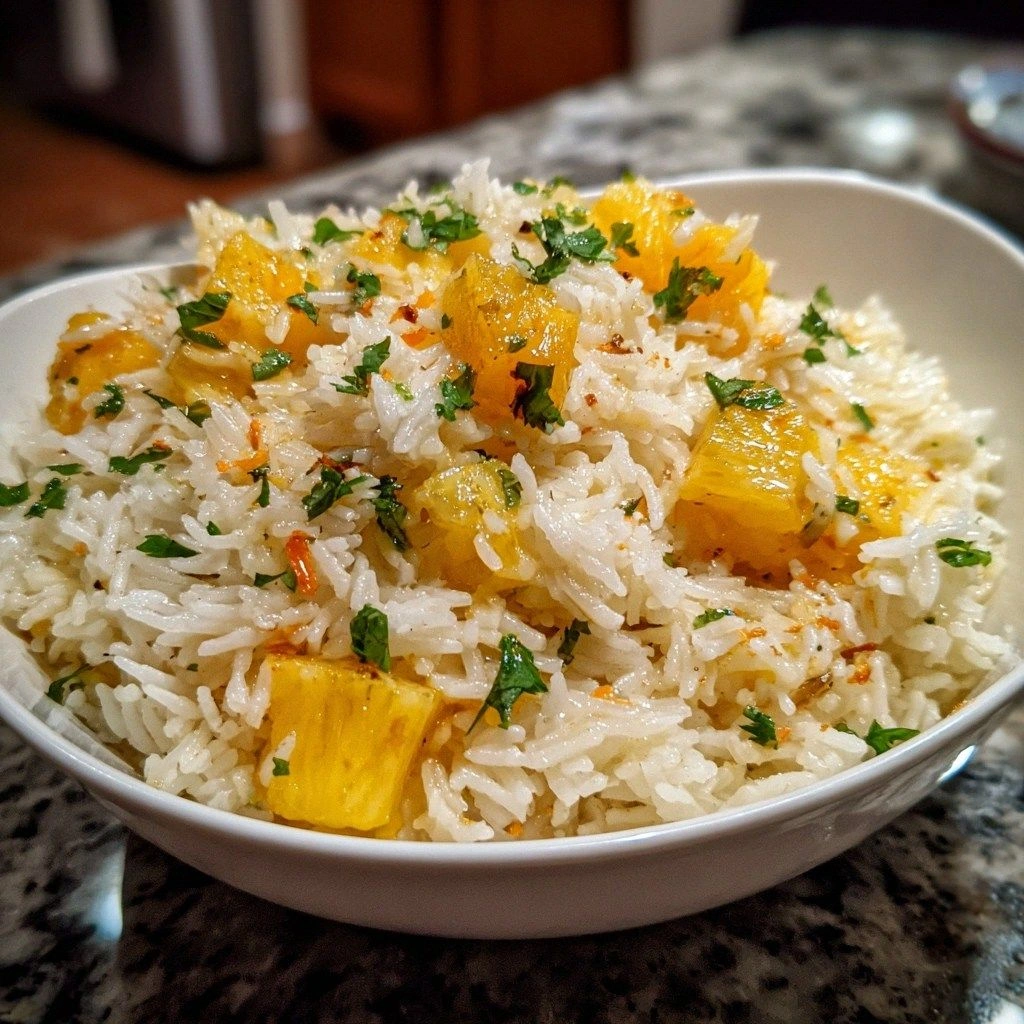
Picture this: a pot of jasmine rice simmering in a silky coconut milk base, the steam curling like tropical clouds, and the bright burst of pineapple chunks popping against the glossy surface. The kitchen fills with a sweet, nutty aroma that makes your eyes water, not from spice, but from pure, joyous anticipation. When you take the first spoonful, the rice is fluffy yet firm, each grain coated in a velvety coconut glaze, while the pineapple offers a bright, juicy contrast that cuts through the richness. The finish is a subtle citrus zing from a splash of lime, leaving your palate refreshed and craving more.
What sets this version apart is not just the balance of sweet and savory, but the meticulous layering of textures that turns a simple side dish into a centerpiece. I dared you to taste this and not go back for seconds; the first bite is a revelation, the second, a promise of more. I’ve spent countless hours tweaking the ratios, experimenting with the timing of the coconut milk, and discovering that a dash of toasted coconut flakes adds a crunch that feels like a secret handshake with the dish. The result? A creamy, aromatic rice that feels indulgent but never heavy, a dish that can be the star of a dinner or the comforting companion to a light lunch.
If you’ve ever struggled with rice that turns mushy or flavors that feel flat, you’re not alone — and I’ve got the fix. Most recipes get this completely wrong by either overcooking the rice or under-seasoning the coconut base. The secret is in the timing: letting the rice absorb the coconut milk slowly while keeping the heat low, and adding pineapple at the right moment so it stays bright and not stewed. And trust me, the tiny tweak of adding a teaspoon of lime at the end will elevate the dish from ordinary to unforgettable. Picture yourself pulling this out of the pot, the whole kitchen smelling incredible, and the plate glistening like a tropical sunrise.
Okay, ready for the game-changer? Let me walk you through every single step — by the end, you'll wonder how you ever made it any other way. I’ll keep the language light, witty, and slightly opinionated, because cooking is a conversation, not a lecture. I’ll also throw in some kitchen hacks and a few “watch out” moments to keep your confidence high. And yes, I’ll be honest — I ate half the batch before anyone else got to try it. Let’s dive in.
What Makes This Version Stand Out
- Taste: The coconut base is rich yet balanced, with a natural sweetness that doesn’t overpower the pineapple. The lime splash adds a citrusy brightness that keeps the dish from feeling cloying.
- Texture: Each grain of rice is fluffy yet firm, thanks to careful simmering and a gentle steam. The toasted coconut flakes provide a delightful crunch that contrasts the silky sauce.
- Ingredient Quality: Using fresh pineapple and high‑quality coconut milk makes all the difference. The rice is rinsed until the water runs clear, ensuring a light, airy final product.
- Simplicity: Five main components plus a few aromatics make this dish approachable for beginners and seasoned cooks alike.
- Crowd Reaction: Guests often ask for the recipe after the first bite; the dish’s bright, tropical flavor profile is a crowd‑pleaser at any gathering.
- Make‑Ahead Potential: The rice can be prepared up to 24 hours in advance, then reheated gently. The pineapple keeps its texture, and the coconut sauce only thickens slightly.
Inside the Ingredient List
The Flavor Base
Jasmine rice is the heart of this dish. Its delicate aroma complements the coconut and pineapple without competing. Rinsing the rice until the water runs clear removes excess starch, preventing a gummy outcome. If you skip rinsing, the rice will clump together, losing that airy feel. For those who love a slightly nutty undertone, try swapping jasmine for basmati; it adds a subtle floral note.
The Coconut Cream
Coconut milk is the silky sauce that coats each grain. Opt for a full‑fat variety for the richest flavor; light coconut milk will feel a bit watery. The milk’s natural sweetness balances the tart pineapple, creating harmony. If you’re dairy‑free, coconut milk is already a perfect substitute, but be sure it’s not sweetened. A splash of coconut cream can intensify the richness if you’re feeling indulgent.
The Tropical Star
Fresh pineapple is the star that brings bright, juicy bursts to the dish. Diced into bite‑size chunks, it releases natural juices that mingle with the coconut. If you’re using canned pineapple, drain it well to avoid a watery texture. The pineapple’s acidity also helps cut through the coconut’s heaviness, giving the dish a balanced finish. For an extra zing, sprinkle a pinch of chili flakes with the pineapple.
The Aromatics
Garlic and ginger infuse the rice with warmth and depth. Minced garlic should be sautéed until aromatic, but not browned, to keep the flavor bright. Grated ginger adds a subtle heat that pairs beautifully with the tropical elements. A teaspoon of lime juice at the end lifts the entire dish, adding a citrusy brightness that keeps the palate refreshed. Fresh cilantro is the final touch, offering a green, herbaceous finish that balances the sweetness.
The Final Flourish
Toasted coconut flakes add a delightful crunch and an extra layer of coconut flavor. Toast them in a dry skillet until golden; this brings out their nutty aroma. They also help prevent the rice from becoming too soggy by absorbing a bit of moisture. A pinch of sea salt enhances all the flavors, while black pepper adds a subtle heat. If you’re adventurous, sprinkle a dash of smoked paprika for a smoky undertone.
Everything's prepped? Good. Let's get into the real action.
The Method — Step by Step
- Rinse 2 cups of jasmine rice under cold water until the water runs clear. This removes excess starch and keeps the grains separate. While the rice rinses, set a timer for 15 minutes to keep the process on schedule. The clarity of the water is a quick visual cue that the rice is ready. This step is essential for achieving the fluffy texture we’re after.
- Heat a medium saucepan over medium heat and add 2 tablespoons of butter. Let the butter melt fully before adding aromatics. Sauté 1 clove minced garlic and 1 teaspoon grated ginger until fragrant, about 30 seconds. Avoid browning them; you want a bright, aromatic base. The sizzling sound here signals the pan is ready for the rice.
- Add the rinsed rice to the pan, stirring to coat each grain with the butter and aromatics. Toast the rice for 2 minutes, stirring constantly, until the edges start to turn translucent. This step develops a nutty flavor that underpins the coconut sauce. Keep the heat moderate to prevent the rice from sticking.
- Pour in 1 cup of coconut milk and 1 cup of water, stirring to combine. Bring the mixture to a gentle simmer, then reduce the heat to low. The liquid should be just at the brink of a soft boil; this slow simmer ensures even cooking. The aroma should start to mingle, hinting at the final flavor profile.
- Cover the saucepan and let the rice cook for 15 minutes on low heat. The steam will work its magic, turning the grains fluffy. Check that the liquid is absorbed; if it’s still liquidy, give it another minute. This is the trickiest step: if you lift the lid too early, the rice won’t set properly. Watch out: a sudden burst of steam can splash hot liquid, so keep a safe distance.
- Stir in 1 cup diced fresh pineapple, 1 teaspoon salt, 1/2 teaspoon black pepper, and 1 tablespoon toasted coconut flakes. The pineapple will release juices that mingle with the coconut, creating a subtle glaze. The salt enhances the sweetness, while the pepper adds a gentle heat. Stir gently to avoid breaking the pineapple chunks.
- Let the rice rest for another 5 minutes off the heat. This allows the flavors to meld and the grains to firm up slightly. While it rests, sprinkle chopped fresh cilantro over the top for a burst of green freshness. The cilantro’s bright flavor contrasts the sweet coconut and pineapple.
- Fluff the rice gently with a fork, ensuring each grain is separated and coated in the coconut glaze. Serve hot in a shallow bowl or on a plate, garnishing with extra toasted coconut if desired. The dish should look glossy, with bright pineapple pieces glimmering like tropical jewels.
- Enjoy immediately, or if you’re feeling adventurous, pair it with grilled shrimp or a light fish for a full tropical meal. The creamy rice complements the protein without overpowering it. If you prefer a vegetarian version, serve it alongside sautéed vegetables or a tofu stir‑fry.
That's it — you did it. But hold on, I've got a few more tricks that'll take this to another level.
Insider Tricks for Flawless Results
The Temperature Rule Nobody Follows
Keeping the heat low after the initial simmer is key. Many cooks raise the temperature to speed up cooking, but this causes the rice to steam unevenly and become mushy. I discovered that a steady low heat allows the coconut milk to penetrate each grain slowly. If you’re using a gas stove, set the flame to the lowest setting and let the pot do the work. This technique ensures every bite is perfectly fluffy.
Why Your Nose Knows Best
Smell is your best judge of doneness. As the rice cooks, a sweet, coconut aroma will fill the kitchen. When the aroma becomes rich and the liquid is almost fully absorbed, you know the rice is ready. If you’re uncertain, taste a grain; it should be tender but still firm. Trust your nose — it will guide you to the perfect texture.
The 5‑Minute Rest That Changes Everything
Resting the rice after cooking lets the steam finish the job. During this time, the grains absorb any remaining moisture and settle into their final shape. Skipping this step often results in uneven texture. I remember once cutting the rest short and the rice came out unevenly cooked, which was a disappointment. Letting it rest is a simple step that guarantees consistency.
Fresh Pineapple vs. Canned
Fresh pineapple is the gold standard, offering bright flavor and firm texture. If you’re using canned, choose a variety packed in juice, not syrup, to avoid excess sweetness. Drain it well to prevent watery rice. The key is to keep the pineapple chunks intact; they should retain their shape during cooking. The result is a vibrant burst of tropical flavor that stands out.
Garnish for Visual Appeal
A sprinkle of toasted coconut flakes not only adds crunch but also elevates the dish’s presentation. Toast them in a dry skillet until golden brown, then let them cool before adding. The flakes give the rice a golden, almost edible garnish that looks as good as it tastes. It’s a small touch that makes the dish feel more special.
Reheating Without Losing Creaminess
When reheating, add a splash of coconut milk or water to restore moisture. Warm the rice gently in a saucepan over low heat, stirring constantly. This prevents the rice from drying out and keeps it silky. If you’re in a hurry, microwave it in a covered bowl for 30–45 seconds, stirring halfway through.
Creative Twists and Variations
This recipe is a playground. Here are some of my favorite ways to switch things up:
Spicy Pineapple Rice
Add a pinch of red pepper flakes or a diced jalapeño during step 6. The heat balances the sweetness and gives the dish a lively kick. This version pairs wonderfully with grilled chicken or shrimp.
Herb‑Infused Coconut Rice
Swap the cilantro for fresh basil or mint. The herbs bring a different aromatic profile that complements the tropical base. Try basil for a sweet, peppery twist, or mint for a refreshing finish.
Veggie‑Loaded Rice
Incorporate sautéed bell peppers, carrots, or peas during step 6. The vegetables add color and nutrition without overpowering the coconut base. They also create a more balanced meal when served with protein.
Protein‑Packed Version
Add cooked shrimp, diced chicken, or tofu during step 6. The protein absorbs the coconut sauce, turning the dish into a complete main course. For a quick fix, toss in pre‑cooked shrimp and let them heat through.
Low‑Calorie Alternative
Use light coconut milk and reduce the amount of butter. Substitute the rice with cauliflower rice for a lighter option. This version maintains the flavor while cutting calories.
Gluten‑Free Twist
Serve the rice over a bed of quinoa or millet. The grains add a nutty flavor and ensure the dish is gluten‑free. Pair it with a protein of choice for a wholesome meal.
Storing and Bringing It Back to Life
Fridge Storage
Store the cooked rice in an airtight container in the refrigerator for up to 3 days. Let it cool completely before sealing to avoid condensation. When ready to eat, reheat gently on the stove or in the microwave, adding a splash of water or coconut milk to restore moisture. The rice will remain fluffy and flavorful.
Freezer Friendly
Cool the rice completely, then portion into freezer‑safe bags or containers. Freeze for up to 2 months. Thaw overnight in the refrigerator, then reheat as described above. The texture remains good, though it may be slightly softer after freezing.
Best Reheating Method
The most reliable way to revive the rice is to use a saucepan over low heat, stirring occasionally. Add a tablespoon of coconut milk or water to help loosen the grains. Cover the pot for a minute to trap steam, then fluff with a fork. The result is a silky, aromatic rice that tastes almost brand new.