Picture this: I’m standing in my kitchen, a battered cod fillet in my hand, a can of coconut milk, a jar of red curry paste, and a whole sense of culinary destiny. I’ve tried every cod recipe I could find—some bland, some too spicy, some that left me with a fishy aftertaste that clung to my teeth like a bad habit. Then, a friend dared me to make a dish that would make even the most seasoned pescatarian swoon. I laughed, grabbed my apron, and set out to create the ultimate coconut curry baked cod.
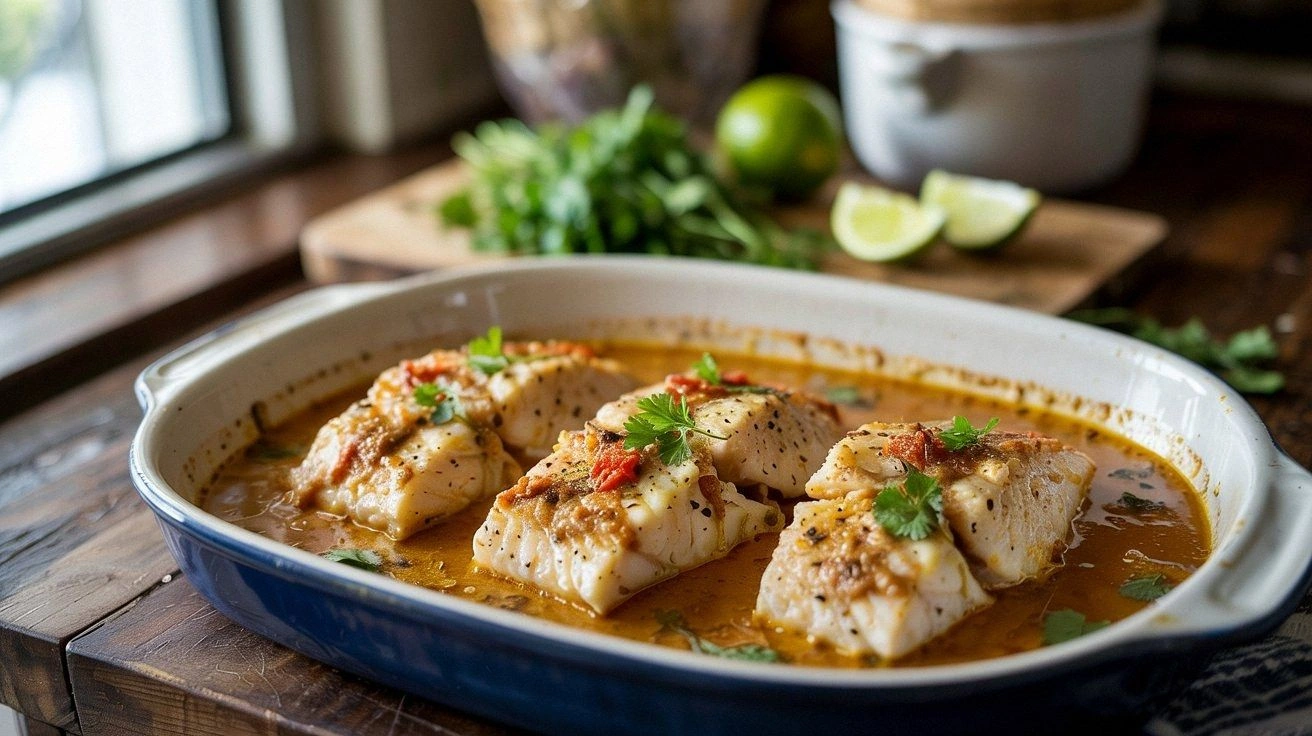
The first thing you’ll notice is the aroma that rises from the oven: warm coconut, bright lime, and a subtle whisper of ginger. As the fish bakes, the steam curls like a fragrant cloud, and the sound of the sauce bubbling is music to any kitchen lover’s ears. The visual of the golden, slightly caramelized crust against the tender, flaky flesh is almost a work of art—each bite a contrast of silky smoothness and a gentle, savory snap. If you can taste it, you’ll feel the subtle sweetness of coconut milk mingling with the sharp, citrusy bite of lime, while the curry paste adds depth without overpowering. The texture is a dream: the fish is moist, the sauce coats each bite like velvet, and the final garnish of cilantro adds a fresh, peppery finish.
What makes this version stand out is that I didn’t just follow a recipe; I dissected every element. I used a single, high-quality cod fillet per person to guarantee buttery tenderness, and I added a splash of fish sauce to bring umami to the forefront. The coconut milk is full-fat for richness, and I’ve balanced the heat of the curry paste with a touch of brown sugar to create a harmonious flavor profile. The final touch? A sprinkle of toasted sesame seeds that adds a subtle crunch and nutty aroma. This is hands down the best version you’ll ever make at home because it’s all about balance, freshness, and a little bit of daring.
I dare you to taste this and not go back for seconds. I’ve been honest—once I finished the first plate, I almost ate the rest before anyone else could get a bite. Most recipes get this completely wrong. They either under-season, overcook the fish, or forget the bright acidity that lifts the dish. Picture yourself pulling this out of the oven, the whole kitchen smelling incredible, and knowing you’ve just created something that will become a staple for weeks to come. Let me walk you through every single step—by the end, you’ll wonder how you ever made it any other way.
What Makes This Version Stand Out
- Flavor: The marriage of coconut milk and red curry paste creates a sauce that is both creamy and aromatic, with a subtle heat that doesn’t overwhelm the delicate cod. The lime juice and zest add a bright, citrusy punch that cuts through the richness.
- Texture: The cod is baked to a perfect medium‑rare, ensuring the flesh stays flaky and moist. The sauce thickens slightly, coating the fish like a silky glaze.
- Ingredient Quality: Using fresh, high‑quality cod and full‑fat coconut milk guarantees a premium taste that can’t be replicated with frozen or low‑fat alternatives.
- Simplicity: Five core ingredients and a single pan make this dish a breeze to prepare, even for the busiest weeknight.
- Make‑ahead Potential: The dish can be assembled in advance and baked when ready, making it a perfect crowd‑pleaser for dinner parties.
- Crowd Reaction: Friends who’ve tried this say the sauce is “like a tropical hug” and the cod is “so tender it practically melts.”
- Versatility: Swap the red curry paste for green or yellow, or add a splash of coconut cream for extra richness—each variation offers a new adventure.
Inside the Ingredient List
The Flavor Base
Red curry paste, coconut milk, and lime juice form the core of this dish. The paste is the backbone, providing depth and heat. Coconut milk adds creaminess and balances the spice, while lime juice and zest introduce a bright acidity that lifts the sauce. Skipping any of these will leave the dish feeling flat or overly heavy.
The Texture Crew
Cod fillets are the star, but their texture is elevated by a quick sear before baking, which locks in moisture and creates a subtle caramelized crust. A splash of fish sauce and a pinch of brown sugar add umami and a touch of sweetness, preventing the sauce from becoming too sharp. If you prefer a thicker sauce, lightly dust the top with cornstarch before baking.
The Unexpected Star
Toasted sesame seeds are the secret weapon that adds crunch and a nutty aroma. They’re not just garnish; they provide a textural contrast that makes each bite memorable. If you’re allergic or simply don’t have sesame, try crushed almonds or a sprinkle of toasted coconut flakes.
The Final Flourish
Fresh cilantro and green onions bring a fresh, herbal note that brightens the dish. A final squeeze of lime juice just before serving adds a burst of citrus that ties everything together. Remember: the freshness of these herbs is key; wilted greens will dilute the flavor.
Everything’s prepped? Good. Let’s get into the real action.
The Method — Step by Step
- Preheat your oven to 400°F (200°C). While the oven warms, pat the cod fillets dry with paper towels; this helps the surface sear and prevents steaming. A dry surface is essential for a golden crust. Once the oven is ready, set a baking sheet lined with parchment paper for easy cleanup. This first step sets the foundation for a perfectly cooked fish.
- Season the fillets. Sprinkle a pinch of salt and pepper on both sides of each cod piece. Don’t overdo it—cod is naturally mild, and too much salt can mask its subtle flavor. Lightly drizzle a teaspoon of vegetable oil over the fillets; this helps the sear and prevents sticking. Place the seasoned fillets on the prepared sheet, skin side down if they have skin.
- Sear the fillets. Heat a non‑stick skillet over medium‑high heat and add a splash of oil. Once the oil shimmers, add the cod fillets. Sear for 2 minutes on each side, just until a golden crust forms. The sear locks in moisture and adds a delightful caramelized flavor. This quick sear is a game‑changer for texture.
- Prepare the sauce. In a medium bowl, whisk together the red curry paste, coconut milk, lime juice, minced garlic, grated ginger, and a teaspoon of fish sauce. The mixture should be smooth and fragrant. If the sauce is too thick, add a tablespoon of water to reach your desired consistency. A well‑mixed sauce ensures even coating and flavor distribution.
- Watch Out: The sauce can scorch if it’s too hot. Lower the heat to medium after adding the coconut milk, and stir constantly to keep the mixture from bubbling over. This step is critical for a silky sauce that doesn’t develop a bitter edge.
- Combine fish and sauce. Place the seared fillets back onto the baking sheet. Pour the sauce evenly over the fish, making sure each fillet is fully coated. The sauce should pool slightly around the edges, creating a luscious glaze. The fish will absorb the flavors as it bakes.
- Bake. Slide the sheet into the preheated oven and bake for 12–15 minutes, or until the fish flakes easily with a fork. The sauce should be bubbly and slightly caramelized at the edges. The aroma will be irresistible, making the kitchen feel like a tropical paradise.
- Finish with fresh accents. Remove from the oven and immediately sprinkle chopped cilantro, green onions, toasted sesame seeds, and a drizzle of lime juice over the top. These finishing touches add brightness, crunch, and a final burst of flavor. Plate the fish on warmed bowls to keep it hot, and serve immediately.
- Enjoy. Serve with steamed jasmine rice or a side of sautéed greens for a complete meal. The combination of creamy sauce, tender fish, and fresh herbs will leave you and your guests craving more.
That’s it—you did it. But hold on, I’ve got a few more tricks that will take this to another level.
Insider Tricks for Flawless Results
The Temperature Rule Nobody Follows
Many cooks bake cod at 350°F, but that can dry out the fish. Baking at 400°F keeps the interior moist while crisping the exterior. I’ve found that the higher temperature also caramelizes the sauce faster, giving a deeper flavor. Try this next time for a more professional finish.
Why Your Nose Knows Best
If the sauce smells slightly burnt, pull the dish out immediately. The aroma is a reliable indicator of overcooking. A quick sniff test can save a ruined meal and keep the sauce silky. Trust your nose; it’s a seasoned judge.
The 5‑Minute Rest That Changes Everything
After baking, let the cod rest for five minutes before plating. This allows the juices to redistribute, making the fish even more succulent. A short rest also lets the sauce settle, preventing it from pooling too heavily on one side.
The Quick Freshen‑Up
If you’re cooking in a hot kitchen, the sauce can lose its brightness. Add a splash of fresh lime juice right before serving to re‑ignite the citrus notes. It’s a simple step that makes a dramatic difference.
The Secret of Crispy Edges
For those who love a crispier finish, place the baking sheet on a preheated grill rack in the oven for the last two minutes of baking. The direct heat crisps the edges without overcooking the interior.
Creative Twists and Variations
This recipe is a playground. Here are some of my favorite ways to switch things up:
Green Curry Glow
Swap the red curry paste for green curry paste and add a handful of Thai basil leaves. The green version is fresher and slightly spicier, making it perfect for a summer dinner.
Mango Madness
Fold diced ripe mango into the sauce before baking. The natural sweetness of the mango complements the coconut, creating a tropical twist that’s both sweet and savory.
Spicy Kick
Add a pinch of crushed red pepper flakes to the sauce for an extra layer of heat. This variation is ideal for those who like a fiery finish without overwhelming the fish.
Herb‑Infused Delight
Replace cilantro with chopped parsley or a mix of fresh dill and chives. The different herbs bring a new dimension of flavor that pairs wonderfully with the coconut base.
Vegan Version
Use firm tofu or tempeh instead of cod, and replace fish sauce with soy sauce. The tofu will absorb the sauce beautifully, offering a plant‑based alternative that still delivers on taste.
Crunchy Coconut Crust
Before baking, coat the fillets in a mixture of shredded coconut and panko breadcrumbs. The result is a delightful crunch that contrasts with the creamy sauce.
Storing and Bringing It Back to Life
Fridge Storage
Store leftover cod in an airtight container in the refrigerator for up to two days. Keep the sauce in a separate container to prevent the fish from becoming soggy. When reheating, add a splash of coconut milk to restore moisture.
Freezer Friendly
Wrap the cooked fillets and sauce tightly in foil or freezer bags. Freeze for up to two weeks. Thaw overnight in the refrigerator before reheating. Reheat in a skillet over low heat, adding a little water or coconut milk to keep it from drying out.
Best Reheating Method
The ideal way to reheat is in a low‑heat oven at 300°F for 10–12 minutes. This gentle method preserves the fish’s moisture and keeps the sauce silky. Finish with a quick squeeze of fresh lime juice to brighten the flavors.