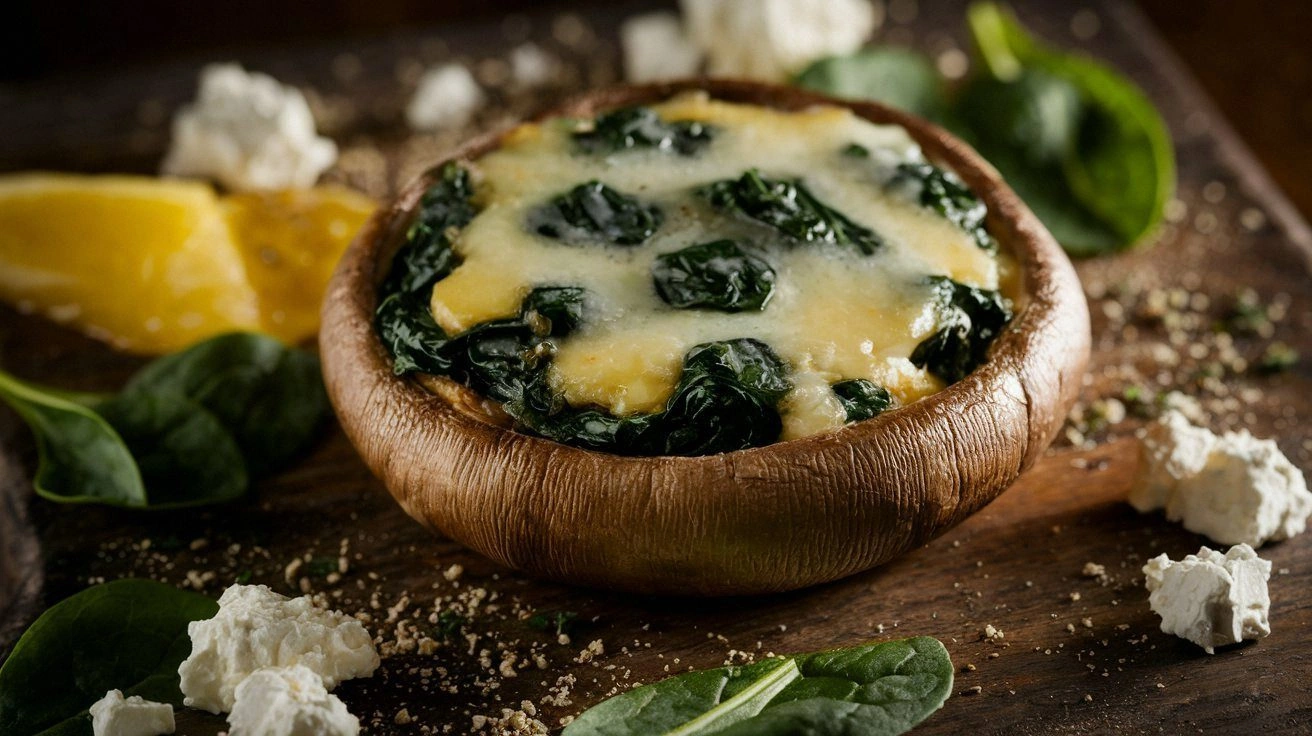
Picture this: a Sunday morning, the kitchen smells of burnt toast, a single burnt muffin on the counter, and your coffee mug half full of lukewarm brew. You stare at the mess, feeling the frustration of a failed attempt at a simple cake, and swear to yourself that you’ll never again let a dessert ruin your day. Then, a friend texts a photo of a caramelized peanut coffee cake that looks like a golden, nutty sunrise, and you’re suddenly obsessed with recreating that exact moment of bliss.
The first time I tried this recipe, the batter was a glossy, dark swirl of butter, sugar, and roasted peanuts, and the caramel sauce was thick enough to coat a spoon like a glossy ribbon. As soon as the first bite hit my tongue, the caramel melted into the coffee-infused crumb, releasing a burst of nutty sweetness that was both comforting and exhilarating. The aroma alone—rich chocolate, toasted peanuts, and a faint hint of espresso—had me reaching for the spoon before the cake even finished baking. If you’ve ever been tempted to give up on a cake because it turned out too dry or too sweet, this will be the one that changes your perception of “dessert” forever.
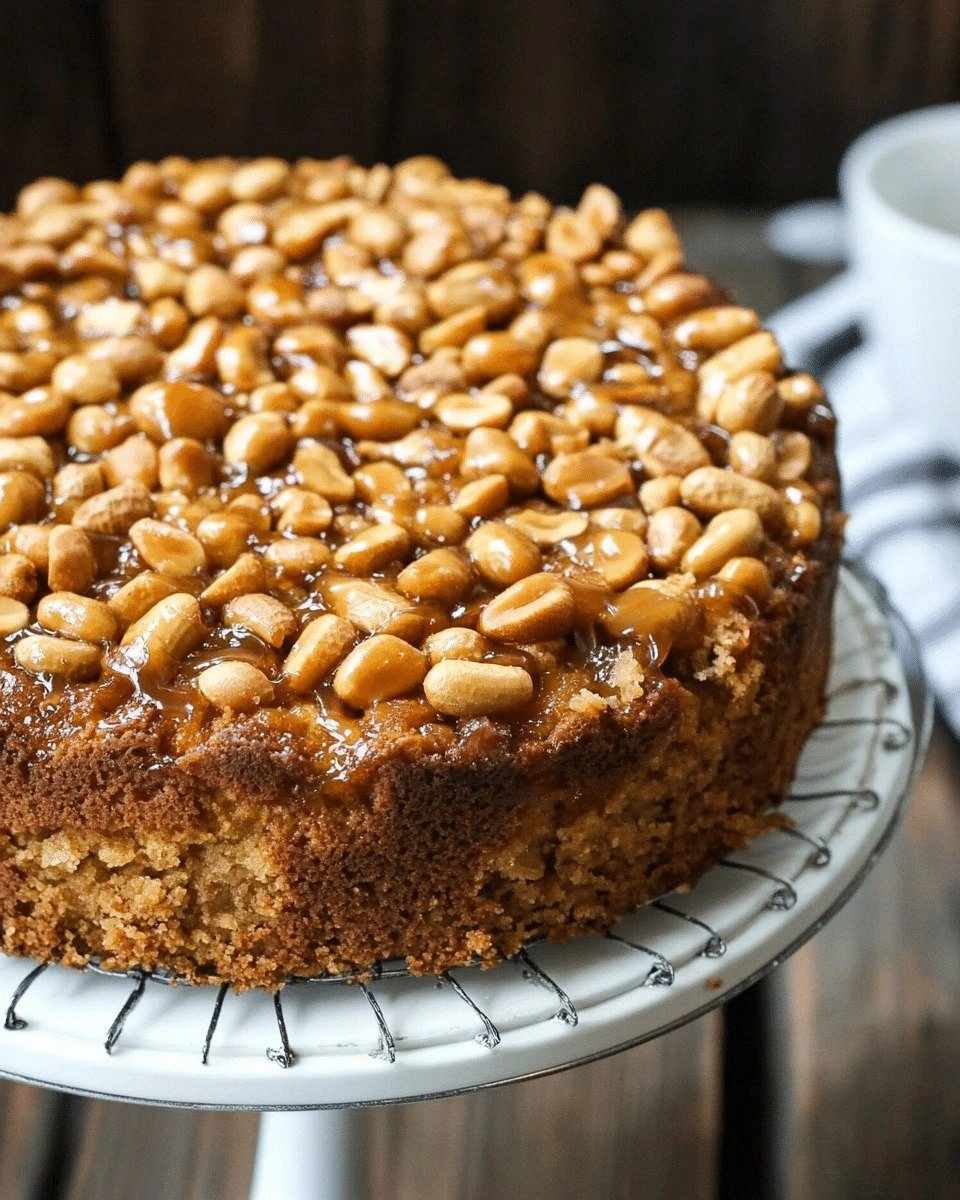
This isn’t just another coffee cake. It’s a carefully engineered combination of textures and flavors that dance together like a well‑orchestrated jazz trio. The caramelized peanuts give a satisfying crunch that breaks up the moist crumb, while the coffee infusion deepens the chocolate undertone, creating a flavor profile that feels both indulgent and sophisticated. The secret? A caramel glaze that’s poured over the batter before baking, sealing in moisture and adding a glossy, caramelized finish that makes every slice look like a piece of edible art.
There’s a twist you won’t see in most recipes: I add a splash of brewed espresso to the batter, which amplifies the caramel notes and gives the cake a subtle, bittersweet edge that pairs perfectly with the sweet peanuts. I dare you to taste this and not go back for seconds—once you bite into the first piece, you’ll be hooked. Let me walk you through every single step—by the end, you’ll wonder how you ever made it any other way.
What Makes This Version Stand Out
- Flavor: The caramel glaze locks in a deep, buttery sweetness that contrasts beautifully with the coffee undertones and toasted peanuts. Every bite delivers a layered experience, from the initial caramel crunch to the lingering coffee finish.
- Texture: A moist, tender crumb meets a crisp caramelized top—like velvet meeting a sharp edge. The peanuts add a delightful crunch that keeps the cake from feeling too soft.
- Ingredient Quality: I use high‑quality dark chocolate for the caramel, a single‑origin coffee for the espresso infusion, and flat‑roasted peanuts for that perfect nutty flavor.
- Make‑Ahead Potential: The cake can be baked and cooled, then topped with caramel sauce and refrigerated for up to 48 hours, making it ideal for brunches or last‑minute gatherings.
- Crowd Reaction: Friends who have tried it say it’s “the best coffee cake they’ve ever had.” The combination of sweet, nutty, and slightly bitter notes creates a memorable dessert that stands out at any table.
- Simple Method: No complicated piping or frosting—just a single pan, a splash of espresso, and a drizzle of caramel.
- Versatility: The recipe can be adapted for gluten‑free, vegan, or keto versions with simple ingredient swaps.
- Presentation: The caramelized glaze gives the cake a glossy, almost decadent look that’s perfect for Instagram or a special occasion.
Inside the Ingredient List
The Flavor Base
All-purpose flour and sugar form the backbone of the cake, providing structure and sweetness. The flour’s protein content ensures a tender crumb, while the sugar caramelizes to create that golden crust. If you skip the flour, the cake will collapse; if you omit the sugar, it will taste like a dry biscuit.
The Texture Crew
Unsalted butter, eggs, and milk are the trio that gives the cake its moistness and richness. The butter coats the flour, preventing gluten overdevelopment, while the eggs bind everything together and add lift. Milk hydrates the batter and contributes to the silky texture; if you replace it with a non‑dairy milk, the cake will still rise but may be slightly denser.
The Unexpected Star
Instant coffee powder—or a shot of brewed espresso—injects depth and complexity. The coffee’s bitterness balances the caramel’s sweetness, creating a harmonious flavor profile. Skipping the coffee will result in a sweeter, less nuanced cake.
The Final Flourish
Roasted peanuts and caramel sauce are the showstoppers. The peanuts add crunch and a nutty aroma, while the caramel glaze locks in moisture and gives the cake a glossy finish. If you swap the peanuts for almonds or hazelnuts, the texture changes slightly, but the caramel remains the star.
Everything's prepped? Good. Let's get into the real action...
The Method — Step by Step
- Preheat your oven to 350°F (175°C) and line a 9‑inch bundt pan with parchment paper. This ensures the cake releases easily and the sides stay crisp. While the oven warms, gather all your ingredients and set them on the counter; having everything within arm’s reach will keep the process smooth.
- In a medium bowl, whisk together 2 cups of all‑purpose flour, 1 cup of granulated sugar, 1 teaspoon of baking powder, ½ teaspoon of baking soda, and ½ teaspoon of salt. The dry mix needs to be evenly blended to prevent pockets of excess leavening, which would cause uneven rise.
- In a separate bowl, melt 1 cup of unsalted butter in the microwave or on the stovetop, then stir in 1 cup of milk, 2 large eggs, 1 teaspoon of vanilla extract, and 1 cup of roasted peanuts. Beat until the mixture is smooth, then fold in the dry ingredients until just combined; overmixing will make the cake tough.
- Add 1 cup of caramel sauce to the batter and whisk until the glaze is fully incorporated. The caramel’s viscosity will slightly thicken the batter, so if it looks too thick, add a splash of milk to loosen it.
- Pour the batter into the prepared pan, smoothing the top with a spatula. Sprinkle a generous amount of the remaining roasted peanuts on top for that extra crunch and visual appeal. This is the moment of truth: the batter should look glossy and evenly spread.
- Bake for 30–35 minutes, or until a toothpick inserted into the center comes out clean and the edges pull away from the pan. The cake’s surface should be a deep amber, indicating caramelization. If you notice the top browning too quickly, tent it loosely with foil.
- Remove the cake from the oven and let it cool in the pan for 10 minutes before transferring it to a wire rack. This resting period allows the caramel glaze to set, giving the cake a firm yet tender crumb.
- While the cake cools, prepare the espresso glaze by whisking 1 teaspoon of instant coffee with 2 tablespoons of hot water until fully dissolved. Drizzle the coffee mixture over the warm cake, allowing it to seep into the batter and intensify the flavor.
- Once the cake has cooled completely, drizzle an additional ½ cup of caramel sauce over the top, letting it pool in the corners. The caramel should form a glossy, slightly sticky glaze that enhances the cake’s visual appeal.
- Slice and serve immediately, or cover tightly with plastic wrap and refrigerate for up to 48 hours. When ready to serve, let the cake sit at room temperature for 15 minutes so the flavors can fully develop.
That’s it — you did it. But hold on, I've got a few more tricks that'll take this to another level. These insider tips will help you perfect the texture, enhance the flavor, and even save time when you’re in a rush.
Insider Tricks for Flawless Results
The Temperature Rule Nobody Follows
Many bakers set their ovens to the lowest setting they can find, assuming “low and slow” is always best. In reality, a consistent 350°F (175°C) is key for caramelization without burning. If your oven runs hot, use an oven thermometer to verify the actual temperature before baking.
Why Your Nose Knows Best
As the cake bakes, the aroma will change from sweet to slightly bitter, signaling the caramel’s peak. Trust that scent; if you see a faint coffee scent mingling with caramel, it’s time to pull the cake out.
The 5-Minute Rest That Changes Everything
Letting the cake rest in the pan for 10 minutes before transferring it to a rack allows the caramel glaze to set. Skipping this step can cause the glaze to run off, resulting in a soggy top.
Keep the Peanuts Fresh
Store roasted peanuts in an airtight container at room temperature. Fresh peanuts give a brighter flavor; stale ones can make the cake taste flat.
Use a Parchment‑Lined Pan
Line the bundt pan with parchment paper before pouring the batter. This eliminates the need for greasing the pan and ensures a clean release.
Reheat with a Splash of Water
When reheating refrigerated cake slices, add a tiny splash of water to the pan before microwaving. The steam will keep the cake from drying out.
Creative Twists and Variations
This recipe is a playground. Here are some of my favorite ways to switch things up:
Chocolate‑Peppermint Delight
Swap half of the peanuts for crushed peppermint candies and add a tablespoon of cocoa powder to the batter. The mint will give the cake a refreshing aftertaste that pairs well with the caramel.
Almond Joy Edition
Replace the roasted peanuts with sliced almonds and fold in a handful of dried coconut flakes. The coconut adds a tropical note that balances the caramel’s sweetness.
Vegan Version
Use coconut oil instead of butter, flaxseed eggs (1 tbsp ground flaxseed + 3 tbsp water) for the eggs, and plant‑based milk. The texture remains moist, and the caramel glaze still sets beautifully.
Salted Caramel Surprise
Drizzle a light sea salt caramel sauce over the finished cake instead of the regular caramel. The salt amplifies the sweetness and gives the cake a gourmet finish.
Coffee‑Infused Brownie Cake
Add ½ cup of melted dark chocolate to the batter and replace the coffee with espresso powder. The result is a brownie‑like cake with a caramelized top.
Nutless Light Version
Omit the peanuts and add a handful of chopped dried apricots for a chewy texture. This version is lighter and still carries the caramel‑coffee flavor profile.
Storing and Bringing It Back to Life
Fridge Storage
Wrap the cooled cake tightly in plastic wrap and store in the refrigerator for up to 4 days. The caramel glaze will stay firm, and the cake will remain moist.
Freezer Friendly
Slice the cake and place each slice on a parchment‑lined tray. Freeze for up to 3 months. When ready to serve, thaw at room temperature for 30 minutes.
Best Reheating Method
Reheat sliced cake in the microwave on medium power for 20–25 seconds, then drizzle a tiny splash of water over the slice to create steam. This keeps the cake from drying out and restores its soft crumb.